
By Dr. Belinda Gregory-Head, DDS – Dental Implant Partners, San Francisco
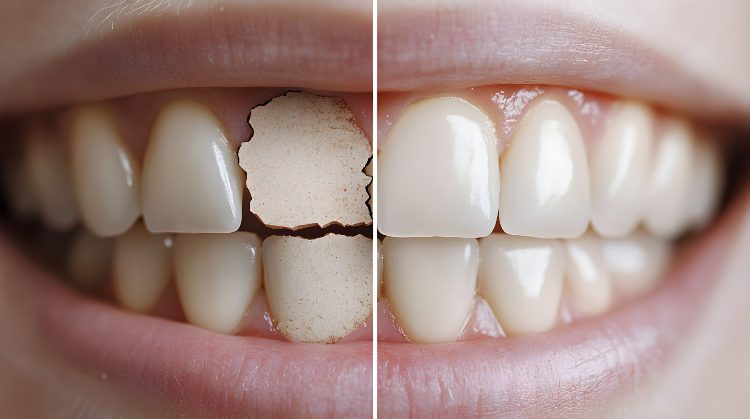
As a practicing implant dentist for over 15 years, I’ve had the privilege of restoring thousands of smiles for patients in San Francisco and beyond. One of the most common questions I get from patients weighing their options for tooth replacement is: “Will it look natural?” While dentures have come a long way, the truth is that cosmetic dental implants are, by far, the most natural-looking and feeling tooth replacement option available today. In this article, I’ll walk you through ten compelling, clinical, and aesthetic reasons why implants outperform dentures in creating a lifelike smile.

1- Implants Mimic Natural Tooth Roots
Unlike dentures, which rest on the gums, dental implants are surgically embedded into the jawbone, closely replicating the anatomical structure of a natural tooth root. This fundamental difference has major implications for how the restoration looks and feels. Because the implant integrates directly with the bone through a process called osseointegration, it forms a stable, permanent base that mirrors the support system of a real tooth. This allows for a seamless emergence profile, where the artificial crown appears to grow naturally from the gum line.
In clinical terms, this integration ensures that the implant crown is not simply “sitting” in the mouth but is functionally part of the oral architecture. This connection not only provides superior strength but also contributes to the realism of the tooth’s appearance. Patients benefit from a more harmonious gum-to-tooth transition, which is often the telltale giveaway in denture wearers due to the flat or puffy gum flanges of traditional acrylic bases.
Moreover, because we can customize the angle and depth of implant placement using 3D imaging and guided surgery, we have far more control over the final aesthetics. The ability to replicate the natural emergence of a tooth from the gingiva gives us a considerable aesthetic edge that dentures, which are pre-fabricated or molded from impressions, simply cannot achieve with the same degree of anatomical fidelity.
2- Preservation of Facial Bone Structure
One of the less obvious but profoundly important reasons implants look more natural is their ability to preserve facial bone. When teeth are lost, the alveolar bone begins to resorb due to lack of stimulation, a process that dentures cannot stop. This bone loss leads to the sunken, aged appearance commonly associated with long-term denture wearers. Implants, by contrast, transmit bite forces to the jawbone, which stimulates and preserves bone tissue.
This preservation is vital for maintaining the natural contours of the jawline and midface. In my practice, I often use pre-treatment CBCT scans to demonstrate to patients how strategic implant placement prevents the gradual collapse of facial height and volume. This stability ensures that the soft tissues cheeks, lips, and nasolabial folds retain their natural position and do not sag prematurely, thereby maintaining a youthful facial appearance.
Furthermore, by preserving the bone, implants maintain the integrity of the gum line. Dentures often need to be relined or replaced due to ongoing bone loss, leading to ill-fitting prosthetics and compromised esthetics. Dental implants, on the other hand, anchor the restoration to a stable, long-lasting foundation, ensuring long-term harmony between the hard and soft tissues of the face and mouth.
3- Superior Material Customization
Dental implants offer a high degree of material customization that allows us to mimic the translucency, shade, and surface texture of natural enamel. Modern implant crowns are typically made from advanced ceramics such as zirconia or lithium disilicate, which are not only biocompatible but also highly aesthetic. These materials allow us to fine-tune characteristics like fluorescence and opacity, so the crown behaves like a real tooth under different lighting conditions.
In contrast, denture teeth are often made from polymethyl methacrylate (PMMA) or other resins, which can look flat and opaque over time. Even high-end dentures cannot achieve the same light-reflective qualities as a carefully layered ceramic crown on an implant. As a cosmetic dentist, I find that this optical fidelity is critical, particularly for anterior restorations where appearance matters most.
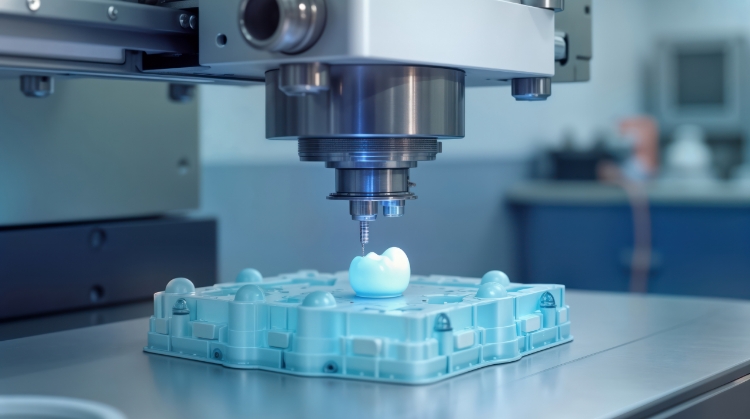
Additionally, we use digital shade-matching and CAD/CAM design tools to ensure that the crown is indistinguishable from the surrounding teeth. We can even include micro-textures and subtle staining to replicate the unique character of a patient’s smile. This level of personalization simply isn’t feasible with most denture systems, which rely on prefabricated molds and limited aesthetic options.
4- Stable Integration With Gingival Tissue
A critical element of natural-looking teeth is the health and contour of the gum tissue surrounding them. Dental implants allow for a phenomenon known as soft tissue sculpting, in which the gums are trained during the healing process to hug the restoration precisely. This is achieved through the use of custom healing abutments and provisional restorations that gradually mold the gingiva into a natural, scalloped architecture.
This process is impossible with dentures, which rest on the mucosa and often cause pressure-related inflammation or ulceration. The resulting gum profile with dentures can look flattened, irregular, or even hyperplastic none of which contribute to a lifelike appearance. With implants, on the other hand, we aim to replicate the “pink esthetics” of natural teeth, ensuring a symmetrical, healthy-looking gingival margin.
In the esthetic zone (front teeth), I often perform connective tissue grafting or papilla regeneration to further refine the gum contours. This surgical precision is necessary to recreate the triangular gum peaks (papillae) between teeth, which are vital for a natural look. Dentures simply cannot reproduce this complex interplay between tooth and tissue due to their bulk and mobility.
5- Fixed and Non-Movable Nature
Another major reason dental implants look more natural is that they are fixed in place. Unlike dentures, which can shift, rock, or even fall out during speech or eating, implants are anchored securely into the jaw. This immobility allows for more confident function and eliminates the subconscious muscle tensing often seen in denture wearers who are trying to keep their prosthesis in place.
From an aesthetic standpoint, a fixed tooth doesn’t create unnatural movements or gaps that betray its artificial origin. Movable dentures often cause subtle shifts in the lips and cheeks during speaking or smiling, which experienced clinicians can immediately recognize as prosthetic-related. Implants behave like natural teeth, providing consistent spatial relationships with surrounding oral structures.
Additionally, because they are fixed, implants do not require the use of adhesives or bulky acrylic flanges for retention. This allows for a more streamlined, anatomical profile, especially in the upper jaw, where full dentures cover the palate and can impair speech. The absence of these artificial components enhances both the comfort and realism of the implant restoration.

6- Customized Emergence Profile Design
Implants allow for the creation of a tailored emergence profile the way the crown emerges from the gum tissue. This design is essential for achieving a natural look, particularly in the smile zone. With modern digital dentistry, I can control every millimeter of contour from the implant platform to the incisal edge, shaping the restoration to blend seamlessly with adjacent teeth.
Using intraoral scanners and digital wax-ups, we can predict and prototype the final shape and contour before the implant is even placed. This allows us to ensure symmetry in incisal edges, correct axial inclinations, and recreate subtle anatomical grooves or lobes. Dentures, in contrast, are limited by their mass production processes and do not allow this granular level of aesthetic control.
Moreover, the emergence profile also affects hygiene and tissue health. A properly contoured implant crown promotes self-cleansing and reduces plaque accumulation, ensuring long-term esthetic and periodontal stability. Dentures often accumulate food and bacteria beneath the base, leading to odor and tissue irritation issues that further detract from their natural appearance.
7- No Visible Metal or Acrylic
One of the common visual giveaways of dentures is the presence of metal clasps (in partials) or the opaque pink acrylic base that rests on the gums. These elements can be particularly visible when patients laugh or speak widely. Implants, on the other hand, are entirely internalized within the bone and gum tissue. The visible portion of the crown is made from tooth-colored ceramic with no metallic or plastic components showing.
In my implant practice, we often use zirconia abutments and monolithic ceramic crowns for patients with thin gingival biotypes to prevent any graying of the gum tissue. This approach ensures that the final restoration is indistinguishable from a real tooth, even under close scrutiny. The seamless transition from the tooth to the gum is a hallmark of expert cosmetic implantology.
Furthermore, the absence of metal or acrylic also improves light transmission through the restoration. When light interacts with a zirconia or E.max crown, it is refracted and reflected in a way that closely mimics natural enamel. Acrylic, by contrast, is denser and more matte, resulting in a less vibrant and more artificial-looking tooth surface.
8- Improved Speech and Phonetics
A subtle but significant reason implants appear more natural is their impact on speech. Dentures, especially upper full-arch designs cover the palate and interfere with tongue placement, often causing lisping or altered phonetics. These speech anomalies can signal to listeners that the person is wearing a prosthesis. Implants eliminate this issue by allowing for open-palate designs or single-tooth restorations that do not alter oral anatomy.
Patients frequently report to me that their speech becomes clearer and more confident after transitioning from dentures to implants. This is because implants restore the exact spatial relationships that natural teeth occupy, allowing the tongue and lips to articulate naturally. The resulting boost in confidence further enhances the authenticity of the person’s facial expressions and smile.
Moreover, because the implants do not move, the consistency of speech is preserved throughout the day. Denture wearers often struggle with changes in fit due to suction loss or dryness, leading to fluctuating clarity in their speech. This variability detracts from the naturalness of interaction and can undermine social confidence.
9- Long-Term Esthetic Stability
Over time, dentures degrade in appearance. The acrylic teeth wear down, discolor, and lose their shape, while the base may warp or stain. Dental implants, by contrast, are designed for longevity, especially when paired with high-quality ceramic crowns. With proper care, they maintain their shape, color, and polish for decades, offering sustained esthetic performance.
I often tell my patients that while dentures may look “good enough” at first, their artificial appearance becomes more apparent over time. Conversely, the materials we use for implant restorations are resistant to wear, chipping, and staining, and they maintain their natural sheen far longer than denture materials. This is especially crucial for patients in professions or social settings where appearance matters.
In addition, because implants preserve bone and soft tissue architecture, the overall facial esthetics remain consistent. Dentures often need to be replaced or adjusted due to the ongoing tissue changes, which can lead to visual inconsistencies or asymmetries in the smile. Implants offer a level of structural permanence that directly supports lasting beauty.
10- Psychological Confidence and Authenticity
Last but certainly not least, implants restore more than just teeth; they restore confidence. From a psychological perspective, people with dental implants tend to feel more secure, more spontaneous, and less self-conscious than denture wearers. This inner confidence translates into more authentic facial expressions, gestures, and speech all of which contribute to a more natural presentation.
I’ve observed this transformation countless times in my practice. Patients who previously avoided smiling or laughing freely due to loose dentures find themselves re-engaging socially and professionally once they’ve had implant therapy. There’s a fundamental difference in body language when someone is no longer afraid that their teeth will move or fail them.
Ultimately, the most natural-looking smile is one that is used often and without inhibition. Implants provide the security and realism to make that possible. In my professional opinion, this holistic effect combining physical accuracy with emotional authenticity is the most compelling reason implants surpass dentures in natural aesthetics.

About Dental Implant Partners
At Dental Implant Partners, restoring natural, confident smiles is at the heart of everything we do. As the founder of our prosthetic-focused practice here in San Francisco, I’ve spent over 25 years refining the art and science of implant dentistry. Today, our team has grown to include experienced prosthodontists, general dentists, and a skilled hygiene team, all dedicated to providing exceptional, ethical, and personalized care. Every member of our team brings deep expertise and a shared passion for precision and aesthetics in restorative dentistry.
We understand that choosing between dental implants and dentures is a significant decision. That’s why we take the time to guide each patient through their options with clarity and compassion. Whether you are looking for a single implant, full arch rehabilitation, or an expertly crafted denture, we bring the same level of meticulous care to every treatment. Our hygienists, many of whom are trained as dentists themselves, have been with us for years and are beloved by our patients for their thoroughness and warmth. You’ll find not only clinical excellence but also a welcoming environment in our beautiful suite overlooking the San Francisco Bay.
If you are considering dental implants and want results that look and feel truly natural, we would be honored to help you take the next step. Schedule a consultation with us at Dental Implant Partners to discover what’s possible for your smile. We love what we do, and we would love to help you.