By Dr. Belinda Gregory-Head, Dental Implant Partners, San Francisco
As a restorative dentist practicing in San Francisco, I have dedicated a significant portion of my clinical career to cosmetic dental implant treatment. At Dental Implant Partners, we approach implant therapy not merely as tooth replacement, but as a comprehensive functional and aesthetic rehabilitation. Cosmetic implant dentistry requires far more than surgical placement of titanium fixtures; it demands precision diagnostics, interdisciplinary planning, surgical expertise, and meticulous prosthetic design.
In this article, I will walk you through the ten critical steps involved in cosmetic dental implant treatment as we perform it in our practice. Each stage builds upon the previous one, and the success of the final aesthetic outcome depends on thoughtful execution at every phase. This process is deliberate, evidence-based, and highly individualized to each patient’s anatomical and cosmetic needs.

Step 1: Comprehensive Consultation and Aesthetic Assessment
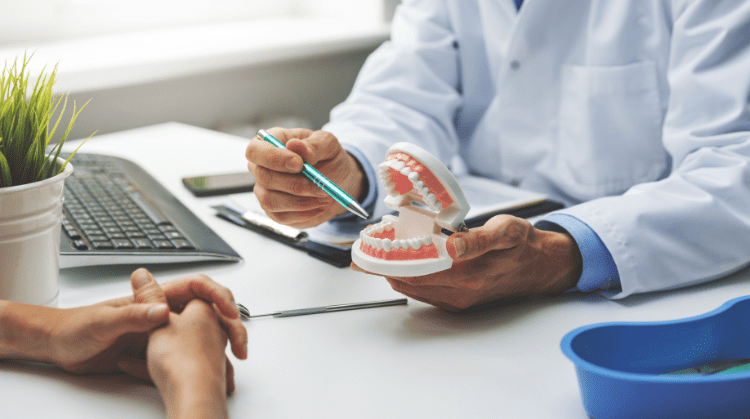
The first step in cosmetic dental implant treatment begins long before any imaging or surgical planning. During the consultation, I conduct a detailed evaluation of the patient’s medical history, dental history, and cosmetic expectations. It is essential to understand systemic conditions such as diabetes, autoimmune disorders, or bisphosphonate use that may influence healing and osseointegration. I also assess parafunctional habits, including bruxism, which can significantly impact long-term implant stability. This stage establishes the biological and functional feasibility of treatment.
From an aesthetic perspective, I perform a comprehensive smile analysis. This includes evaluation of lip dynamics, smile line, gingival display, midline symmetry, and facial proportions. Cosmetic implant treatment must harmonize with the patient’s facial features, not just replace missing dentition. I also assess the quality and quantity of keratinized tissue, as soft tissue architecture plays a defining role in aesthetic implant outcomes. High smile line patients require particularly careful planning because even minimal discrepancies become visible.
Equally important is managing expectations through education and visual planning tools. I often utilize digital smile design software to simulate potential outcomes and align the patient’s expectations with achievable results. This is also the time to discuss alternative treatment options and explain the biological timeline of implant therapy. Cosmetic implant dentistry is a staged process that requires patience and collaboration. Clear communication at this stage prevents misunderstandings and ensures alignment between clinical objectives and patient goals.
Step 2: Diagnostic Imaging and 3D Treatment Planning
Advanced imaging is fundamental to precision implant placement. At our San Francisco practice, we routinely utilize cone beam computed tomography (CBCT) to obtain three-dimensional visualization of alveolar bone anatomy. CBCT allows me to assess bone density, width, height, and the proximity of vital anatomical structures such as the inferior alveolar nerve or maxillary sinus. Two-dimensional radiographs simply do not provide the spatial accuracy necessary for cosmetic implant placement. Accurate imaging minimizes risk and enhances predictability.
Beyond bone assessment, digital intraoral scanning enables precise evaluation of occlusion and restorative space. I analyze the available prosthetic envelope to ensure adequate vertical dimension and appropriate implant positioning relative to adjacent dentition. Cosmetic implant treatment requires prosthetically driven planning, meaning the final crown position dictates the surgical placement—not the other way around. This philosophy ensures that aesthetics and function are integrated from the outset.
Using digital planning software, I virtually position implants in ideal three-dimensional orientation. This includes evaluation of buccolingual angulation, mesiodistal spacing, and apicocoronal depth. The goal is to establish proper emergence profile and gingival contour long before surgery begins. When necessary, I collaborate with a restorative specialist or laboratory technician to refine the digital wax-up. This level of precision significantly reduces complications and enhances long-term cosmetic outcomes.
Step 3: Pre-Surgical Periodontal and Oral Health Optimization
Successful cosmetic implant therapy requires a biologically healthy foundation. Any active periodontal disease must be stabilized before implant placement is considered. Chronic inflammation can compromise osseointegration and negatively impact soft tissue aesthetics. I carefully evaluate pocket depths, bleeding indices, and overall periodontal stability. Addressing underlying pathology is non-negotiable in implant dentistry.
In addition to periodontal therapy, I ensure that adjacent teeth are structurally sound and free of infection. Endodontic pathology, caries, or failing restorations must be treated prior to implant surgery. Cosmetic implant treatment does not occur in isolation; it is part of a comprehensive oral rehabilitation strategy. Maintaining a disease-free environment supports optimal healing and long-term success.
Oral hygiene education is reinforced at this stage. Patients must demonstrate the ability to maintain excellent plaque control because implants are susceptible to peri-implant mucositis and peri-implantitis. I emphasize that implant maintenance differs slightly from natural tooth maintenance and requires specific techniques. Compliance with hygiene protocols significantly influences long-term aesthetic stability. Establishing these habits before surgery sets the tone for lifelong implant health.
Step 4: Bone Grafting and Site Development (If Necessary)
Not all patients present with sufficient bone volume for immediate implant placement. When bone deficiency is identified, site development procedures such as guided bone regeneration (GBR) or sinus augmentation may be required. Bone grafting materials may include autografts, allografts, xenografts, or synthetic substitutes, depending on the clinical scenario. Each material offers different osteogenic, osteoinductive, and osteoconductive properties. Selecting the appropriate graft is a nuanced clinical decision.
In cosmetic zones, particularly the anterior maxilla, buccal plate thickness is critical. Thin biotypes are prone to recession and aesthetic compromise if not properly augmented. I frequently perform simultaneous grafting at the time of extraction to preserve ridge contour. Socket preservation techniques help maintain both hard and soft tissue architecture. These preventative measures reduce the need for more extensive reconstruction later.
Healing timelines vary depending on the extent of grafting performed. Typically, I allow several months for graft maturation before implant placement. Radiographic evaluation confirms adequate integration and volume. Although grafting extends treatment time, it significantly enhances aesthetic predictability. Proper site development is foundational to achieving natural-looking implant restorations.

Step 5: Surgical Implant Placement
Surgical implant placement is executed with meticulous attention to three-dimensional positioning. In cosmetic cases, even a one-millimeter discrepancy can affect the final gingival margin and crown contour. Using surgical guides fabricated from digital planning data ensures accurate translation of virtual plans into clinical reality. Guided surgery enhances precision and reduces intraoperative guesswork. It is particularly valuable in high-aesthetic-demand cases.
The implant itself is typically composed of titanium or titanium alloy, selected for its biocompatibility and strength. Achieving primary stability at placement is essential for predictable osseointegration. I evaluate insertion torque and bone quality to determine whether immediate provisionalization is feasible. Stability parameters guide post-operative protocols and loading timelines. Every surgical decision is evidence-based and tailored to the patient’s anatomy.
Minimally invasive surgical techniques are prioritized to preserve soft tissue integrity. Flapless approaches may be utilized when appropriate, reducing post-operative discomfort and preserving blood supply. In aesthetic regions, I carefully manage tissue contours to support future prosthetic emergence profiles. Suturing techniques are selected to optimize healing and maintain papillary architecture. Surgical finesse directly influences cosmetic outcomes.
Step 6: Osseointegration and Healing Phase
Osseointegration is the biological process through which the implant surface integrates with surrounding bone. This typically requires several months, depending on bone density and systemic health. During this phase, the implant becomes anchored through direct bone-to-implant contact. Any micromovement beyond physiological limits can disrupt this process. Therefore, careful load management is critical.
In select cases, temporary provisional restorations may be placed to support soft tissue shaping. These provisional restorations are designed to avoid functional overload. Their purpose is primarily aesthetic and architectural. Managing occlusal forces during healing is a critical component of long-term implant success. Properly designed temporaries guide gingival contour development.
Regular follow-up appointments allow me to monitor healing and detect any early signs of complication. Clinical evaluation is complemented by radiographic assessment when necessary. Patient compliance with post-operative instructions significantly influences outcomes. Smoking cessation, meticulous hygiene, and adherence to dietary guidelines are emphasized. A disciplined healing phase lays the groundwork for aesthetic excellence.
Step 7: Abutment Selection and Soft Tissue Sculpting
Once osseointegration is confirmed, attention shifts to abutment selection. The abutment serves as the intermediary between implant fixture and final crown. Custom abutments are often preferred in cosmetic cases because they allow precise control over emergence profile and gingival contour. Material selection—titanium or zirconia—depends on tissue biotype and aesthetic demands. In thin gingival biotypes, zirconia may prevent gray show-through.
Soft tissue sculpting is achieved through carefully contoured provisional restorations. By adjusting the subgingival contours incrementally, I guide the formation of natural-looking papillae and gingival margins. This phase requires patience and technical precision. Tissue maturation can take several weeks as the gingiva adapts to new contours. Rushing this process can compromise the final aesthetic result.
The objective is to replicate the appearance of a natural tooth emerging from the gingiva. Achieving symmetry with adjacent teeth requires careful comparison and adjustment. Photography and digital analysis are often utilized to refine details. This stage transforms a functional implant into an aesthetically integrated restoration. Precision here determines whether the result appears truly natural.
Step 8: Final Impression and Laboratory Collaboration
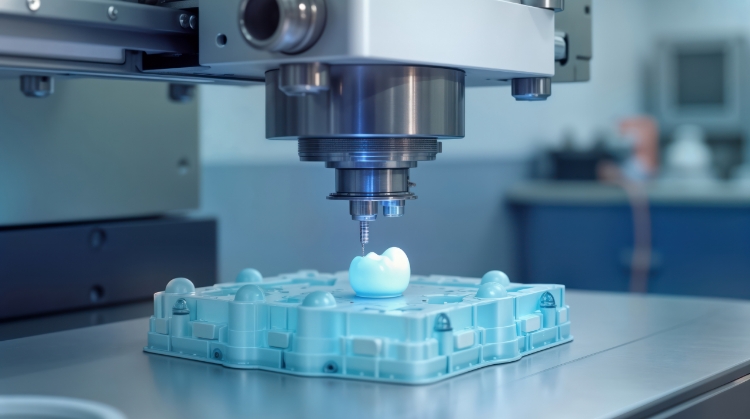
Capturing an accurate final impression is essential for fabricating a precise restoration. Digital scanning technology has significantly enhanced the accuracy of implant impressions. Scan bodies are used to transfer implant positioning data to the laboratory. This digital workflow reduces distortion and improves efficiency. Precision at this stage prevents misfit and mechanical complications.
Collaboration with a skilled dental laboratory technician is indispensable in cosmetic implant dentistry. Shade matching, surface texture, and translucency must mimic adjacent natural dentition. High-end ceramic materials such as layered zirconia or lithium disilicate may be selected depending on case requirements. The laboratory phase is highly artistic and technical. Detailed communication ensures aesthetic harmony.
I provide the laboratory with photographs, shade maps, and detailed prescriptions. Occlusal schemes are carefully outlined to ensure functional integration. Cosmetic success is the product of teamwork between surgeon, restorative dentist, and technician. This synergy elevates implant restorations from acceptable to exceptional. The restorative phase reflects months of coordinated effort.
Step 9: Final Restoration Placement and Occlusal Adjustment
The placement appointment is both technical and evaluative. I first verify passive fit of the restoration and confirm proper seating radiographically if necessary. Torque values are applied according to manufacturer specifications to secure the restoration. Ensuring correct torque prevents screw loosening and mechanical complications. Precision during placement protects long-term stability.
Occlusion is meticulously evaluated in centric and excursive movements. Implants lack the periodontal ligament present in natural teeth, which means they do not absorb forces in the same way. Therefore, occlusal adjustment must be carefully calibrated to avoid overload. I ensure light centric contact and eliminate harmful lateral forces. Balanced occlusion protects both implant and surrounding dentition.
Aesthetic evaluation is performed with the patient upright and smiling. Gingival symmetry, crown contour, and color integration are assessed. Minor refinements may be performed chairside if necessary. Patient feedback is incorporated into final approval. The ultimate goal is seamless integration within the smile.
Step 10: Long-Term Maintenance and Peri-Implant Care
Cosmetic dental implant treatment does not conclude with crown placement. Long-term success depends on structured maintenance protocols. I establish individualized recall intervals based on risk factors and medical history. Professional cleanings are adapted to implant surfaces using non-abrasive instruments. Maintenance is preventative, not reactive.
Monitoring peri-implant tissues is essential for early detection of inflammation. Probing depths, bleeding indices, and radiographic bone levels are assessed periodically. Early intervention can prevent progression to peri-implantitis. Education on home care techniques is reinforced at every visit. Consistency in maintenance preserves aesthetic and structural integrity.
As a dentist practicing at Dental Implant Partners in San Francisco, I view implant therapy as a long-term partnership with my patients. Cosmetic implant treatment is both a surgical and restorative discipline that requires precision, planning, and commitment. When executed thoughtfully, it offers transformative results that restore not only function but confidence. Through meticulous adherence to these ten steps, we achieve outcomes that are durable, biologically sound, and aesthetically refined.
Final Thoughts
Cosmetic dental implant treatment is one of the most advanced and rewarding disciplines in modern dentistry. In my experience at Dental Implant Partners in San Francisco, the difference between a functional implant and a truly cosmetic success lies in meticulous planning, surgical precision, and prosthetic refinement. Every phase, from diagnosis to final restoration, must be executed with a prosthetically driven mindset and a deep respect for biological principles. When these elements align, the result is not simply a replacement tooth, but a seamless restoration that integrates naturally within the smile.
Long-term success, however, extends well beyond placement day. Structured maintenance, careful monitoring of peri-implant tissues, and patient commitment to oral hygiene are essential for preserving both aesthetics and stability. Cosmetic implant dentistry is a partnership between clinician and patient, built on precision, communication, and ongoing care. When approached with this level of discipline and expertise, dental implants can provide transformative, durable, and highly aesthetic outcomes for years to come.

About Dental Implant Partners
At Dental Implant Partners, cosmetic dental implant treatment is not simply a procedure we offer. It is the foundation of our practice and a discipline we have refined for over 25 years. What began as my prosthetic practice has grown into a collaborative team of experienced prosthodontists and general dentists who share a deep commitment to exceptional, patient-centered care.
Our hygienists, who are trained as dentists and have been with us for many years, play an essential role in maintaining the long-term health of our implant patients. Together, we provide a full range of restorative services, from simple fillings and veneers to comprehensive dental rehabilitations supported by implants. For patients who are not ideal candidates for implants, we are also highly experienced in designing and delivering beautifully crafted dentures that restore both comfort and confidence.
We value lasting relationships with our patients and take pride in delivering careful, ethical, and highly personalized treatment in our beautiful suite overlooking the San Francisco Bay. Every cosmetic implant case we complete reflects the precision, planning, and artistry described in this article. If you are considering dental implants or would like a comprehensive evaluation of your restorative options, we would be honored to guide you through the process. Our team loves restoring smiles, and we would love to help you achieve a healthy, confident result that feels entirely your own. We invite you to contact Dental Implant Partners to schedule a consultation and take the next step toward restoring your smile.