
By Dr. Belinda Gregory-Head, Dentist at Dental Implant Partners – San Francisco
Full mouth reconstruction is a comprehensive restorative treatment that rebuilds or replaces most or all teeth in the upper and lower jaws. In my practice at Dental Implant Partners in San Francisco, I often see patients who have lived with complex dental issues for years without realizing that a coordinated restorative solution exists. Unlike cosmetic dentistry, full mouth reconstruction focuses on restoring the health, function, and structural stability of the entire oral system. Over time, problems such as severe tooth wear, failing dental work, missing teeth, or bite instability can compromise the entire dentition. When multiple issues occur together, a comprehensive reconstruction is often the most effective way to restore long-term oral health and function.

1. Severe Tooth Wear and Loss of Enamel
One of the most common indicators that a patient may require full mouth reconstruction is extensive tooth wear. In my clinical practice at Dental Implant Partners in San Francisco, I frequently see patients whose teeth have progressively lost enamel due to years of grinding, clenching, or acidic erosion. Enamel is the most mineralized tissue in the human body, yet it is not capable of regenerating once it is lost. When enamel deteriorates, the underlying dentin becomes exposed, which dramatically increases sensitivity and structural vulnerability. Over time, the biting surfaces of the teeth flatten and the natural anatomy that guides proper chewing becomes compromised.
Severe tooth wear also alters the functional relationship between the upper and lower teeth. As teeth shorten, the vertical dimension of occlusion—the space between the jaws when the teeth meet—can gradually collapse. This collapse can affect facial proportions and create an aged appearance due to the shortening of the lower facial height. Additionally, worn teeth often lose the cuspal anatomy that distributes chewing forces efficiently. Without proper anatomy, the remaining tooth structure experiences abnormal stress that accelerates further deterioration.
When multiple teeth are significantly worn, isolated restorative procedures are rarely sufficient. A comprehensive reconstruction allows us to rebuild the teeth to their correct anatomical height and contour. This process restores proper occlusal function while protecting the remaining tooth structure. Through careful diagnostic planning and precise restorative design, full mouth reconstruction can reestablish both durability and aesthetics. Ultimately, this approach ensures that the entire dentition functions harmoniously rather than attempting to repair individual teeth in isolation.
2. Chronic Jaw Pain or TMJ Disorders
Persistent jaw pain is another sign that the entire dental system may be compromised. The temporomandibular joints, or TMJs, are highly sensitive to changes in bite alignment and occlusal stability. When teeth are worn, misaligned, or structurally compromised, the jaw joints must compensate for the imbalance. This compensation often results in clicking, popping, or limited jaw movement during chewing or speaking. Over time, these symptoms can progress into chronic discomfort or dysfunction.
In many patients, TMJ symptoms are closely linked to occlusal instability. When teeth no longer meet in a balanced and predictable pattern, the jaw muscles must work harder to stabilize the bite. This excessive muscular activity can lead to tension headaches, facial pain, and muscle fatigue. Patients frequently report morning jaw soreness or stiffness, particularly if nighttime grinding is involved. These symptoms are often early indicators that the bite relationship between the teeth has become dysfunctional.
Full mouth reconstruction can play an important role in restoring functional balance to the jaw system. By correcting bite alignment and rebuilding damaged tooth surfaces, we can guide the jaw into a more physiologically stable position. This reduces strain on the joints and surrounding muscles. In many cases, patients experience significant relief once the occlusion is stabilized. The goal is to create harmony between the teeth, muscles, and joints so the entire system operates efficiently.
3. Multiple Missing Teeth
The presence of several missing teeth is a strong indication that a comprehensive restorative approach may be necessary. When a tooth is lost, neighboring teeth often drift into the empty space. This shifting disrupts the alignment of the dental arch and can alter the way the upper and lower teeth meet. Over time, the bite becomes unstable and chewing efficiency declines. The remaining teeth may begin to bear excessive forces that they were never designed to handle.
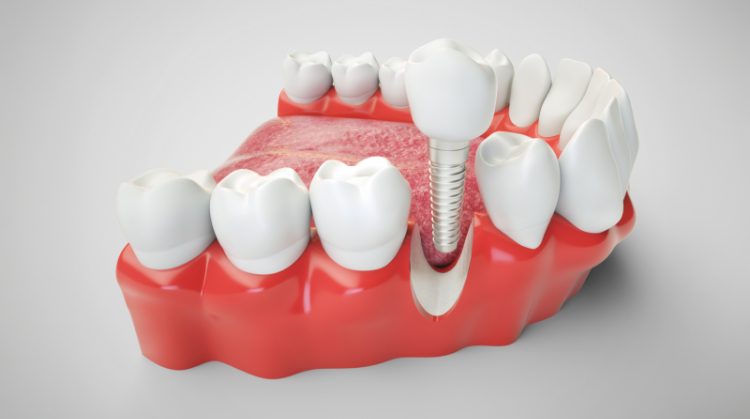
Tooth loss also affects the underlying jawbone. Without stimulation from the tooth root, the bone gradually resorbs in the affected area. This process can lead to changes in facial structure and reduced bone volume. As bone loss progresses, it becomes more difficult to support traditional restorations such as bridges or dentures. Dental implants often become the preferred solution because they help preserve bone and restore functional loading.
When several teeth are missing, replacing them individually may not restore proper occlusion. Full mouth reconstruction allows us to rebuild the dental arches in a coordinated manner. Implant-supported prosthetics can restore both function and aesthetics simultaneously. This comprehensive strategy ensures that the restored teeth work together as a unified system. The end result is improved chewing efficiency, structural stability, and long-term oral health.
4. Frequent Tooth Fractures or Breakage
Teeth that fracture repeatedly are often signaling deeper structural problems within the bite. Healthy teeth are capable of withstanding significant forces when those forces are distributed properly. However, when occlusal alignment is compromised, certain teeth may bear excessive stress. This uneven force distribution increases the likelihood of cracks, chips, or complete fractures. Patients sometimes report breaking fillings or crowns repeatedly in the same area.
In many cases, these fractures are the result of underlying occlusal instability rather than isolated tooth weakness. When one tooth breaks and is restored without addressing the broader bite relationship, the same destructive forces remain present. As a result, the repaired tooth or neighboring teeth may fracture again. This cycle of repair and failure can continue for years if the root cause is not addressed. Eventually, the cumulative damage may compromise multiple teeth.
Full mouth reconstruction provides a comprehensive solution to this pattern of recurring fractures. By redesigning the occlusal scheme, we ensure that biting forces are distributed evenly across the dentition. Each tooth is restored with proper anatomical contours that guide functional movement. This balanced approach dramatically reduces the likelihood of future fractures. It also allows restorations to function more predictably over the long term.
5. Extensive Tooth Decay
Widespread dental decay is another situation that may require full mouth reconstruction. In some patients, decay affects numerous teeth simultaneously due to a combination of factors such as diet, dry mouth, or poor oral hygiene habits in the past. When multiple teeth contain large cavities or failing restorations, the structural integrity of the entire dentition becomes compromised. At this stage, individual fillings may no longer provide reliable protection.
Advanced decay often leads to weakened tooth walls that are prone to fracture. In severe cases, the decay may extend into the pulp tissue, requiring root canal therapy before the tooth can be restored. When several teeth require endodontic treatment and crowns, the complexity of treatment increases significantly. Attempting to address each tooth independently may result in an inconsistent bite relationship. This inconsistency can create additional functional problems.
A comprehensive reconstruction allows us to address extensive decay in a systematic way. Each tooth is evaluated in relation to the overall bite and restorative plan. Damaged teeth can be restored with crowns, implants, or other prosthetic solutions designed to work together. This coordinated approach ensures that the final restorations support a stable occlusal relationship. Ultimately, it improves both durability and long-term oral health outcomes.

6. Advanced Periodontal Disease
Periodontal disease affects the supporting structures of the teeth, including the gums and underlying bone. In advanced cases, chronic inflammation leads to progressive bone loss around the teeth. As the bone deteriorates, the teeth may become loose or shift position. Patients often notice gum recession, bleeding during brushing, or persistent bad breath. These symptoms indicate that the supporting foundation of the teeth has been compromised.
When periodontal disease progresses, it can significantly affect the stability of the bite. Teeth that lose bone support may migrate or tilt, altering the way they contact opposing teeth. This movement disrupts occlusal balance and increases stress on remaining teeth. Additionally, inflammation from periodontal disease can interfere with the success of restorative procedures if not properly controlled. Comprehensive periodontal therapy is often required before reconstruction can begin.
Full mouth reconstruction may involve a multidisciplinary approach when periodontal disease is present. Periodontal treatment stabilizes the gums and bone before restorative work is performed. Once the disease is controlled, damaged teeth can be replaced or restored to rebuild the dental arches. This integrated approach ensures that the reconstructed teeth are supported by healthy tissues. Long-term stability depends on both periodontal health and proper restorative design.
7. Difficulty Chewing or Biting
Patients who struggle to chew effectively may be experiencing significant structural issues within the dentition. Proper chewing requires a balanced relationship between the upper and lower teeth. When teeth are missing, misaligned, or worn down, this relationship becomes disrupted. As a result, the efficiency of mastication decreases and certain foods become difficult to process. Patients may unconsciously favor one side of the mouth when chewing.
Over time, this uneven chewing pattern can place excessive strain on specific teeth and jaw muscles. The muscles responsible for chewing must compensate for the imbalance, often leading to fatigue or discomfort. Additionally, inefficient chewing can affect digestion because food is not properly broken down before swallowing. These functional consequences highlight the importance of restoring proper occlusal relationships.
Full mouth reconstruction addresses chewing difficulties by rebuilding the dental arches with precise occlusal contacts. Each tooth is designed to interact harmoniously with its opposing counterpart. This coordinated approach restores the mechanical efficiency of chewing. Patients often notice a dramatic improvement in their ability to eat comfortably. Restoring proper function also protects the teeth from uneven forces that could cause future damage.
8. Significant Bite Misalignment
Bite misalignment, or malocclusion, can develop due to tooth loss, wear, or shifting teeth. When the upper and lower teeth no longer align properly, the forces of chewing become unevenly distributed. Some teeth may bear excessive pressure while others make minimal contact. This imbalance increases the risk of tooth wear, fractures, and joint strain. Over time, the entire dental system may become unstable.
In more severe cases, misalignment can affect facial symmetry and jaw movement. Patients may notice that their teeth no longer come together evenly when biting. This discrepancy often causes the jaw to shift laterally in order to find a comfortable position. Such compensatory movements place additional stress on the temporomandibular joints and surrounding muscles. Left untreated, these problems can worsen over time.
Full mouth reconstruction allows us to correct complex bite discrepancies by rebuilding the occlusal architecture. Through detailed diagnostic analysis, we determine the ideal relationship between the upper and lower jaws. Restorations are then designed to guide the jaw into this optimal position. By correcting the underlying alignment, we create a stable and protective occlusal system. This improves both function and long-term durability.
9. Persistent Tooth Sensitivity
Chronic tooth sensitivity can sometimes signal deeper structural issues within the dentition. Sensitivity typically occurs when enamel is worn away and dentin becomes exposed. Dentin contains microscopic tubules that transmit sensations to the nerve of the tooth. When these tubules are exposed, stimuli such as cold air, hot beverages, or sweet foods can trigger sharp discomfort. Patients often report avoiding certain foods due to this sensitivity.
In many cases, widespread sensitivity is associated with severe enamel erosion or gum recession. Acidic foods, gastric reflux, and aggressive brushing habits can contribute to enamel loss. Additionally, worn teeth may expose the dentin on the biting surfaces. This exposure increases vulnerability to temperature changes and mechanical pressure. Over time, the discomfort can significantly affect daily eating habits.
Full mouth reconstruction can help eliminate chronic sensitivity by covering exposed dentin with durable restorations. Crowns, veneers, or implant-supported prosthetics create a protective barrier over vulnerable tooth surfaces. This not only reduces sensitivity but also strengthens the underlying tooth structure. By restoring the protective outer layer of the teeth, reconstruction improves both comfort and resilience.
10. Aging Dental Restorations That Are Failing
Many adults have dental work that was placed decades ago. While restorations such as crowns, bridges, and fillings can last many years, they are not permanent. Over time, these restorations may wear down, loosen, or develop decay around their margins. When several restorations begin to fail simultaneously, the structural integrity of the entire dentition may be compromised. Patients often notice repeated repairs in the same areas.
Replacing individual restorations without evaluating the overall bite can sometimes create inconsistencies. Each new restoration may alter the occlusal relationship slightly, leading to subtle imbalances. As these changes accumulate, the bite can become increasingly unstable. This instability may contribute to fractures, sensitivity, or joint discomfort. Eventually, a piecemeal approach becomes inefficient and unpredictable.
Full mouth reconstruction allows us to replace aging restorations in a coordinated manner. By redesigning the entire occlusal system, we ensure that all restorations function together harmoniously. Modern materials and digital planning techniques provide exceptional durability and precision. This comprehensive strategy often provides a longer-lasting solution than repeated isolated repairs.
11. Facial Changes Due to Dental Collapse
The condition of the teeth plays a significant role in supporting the facial structure. When teeth wear down or are lost, the vertical height of the lower face can decrease. This collapse may cause the chin to appear closer to the nose and deepen wrinkles around the mouth. Patients sometimes notice that their lips appear thinner or that their facial profile has changed. These changes can occur gradually over many years.
From a functional perspective, facial collapse is closely related to the loss of vertical dimension. When the bite height decreases, the muscles and joints must adapt to a shortened jaw position. This adaptation can contribute to muscle fatigue and jaw discomfort. Additionally, the aesthetic changes can affect self-confidence and overall appearance. Restoring facial support often requires rebuilding the vertical dimension of the teeth.
Full mouth reconstruction addresses these concerns by restoring the proper height and proportions of the dentition. Carefully designed restorations reestablish the natural vertical dimension of the bite. This restoration improves facial support and can create a more youthful appearance. Importantly, the process also restores proper function to the jaw system. The result is both structural and aesthetic improvement.
12. Complex Dental Trauma
Traumatic injuries to the mouth can cause extensive damage to multiple teeth simultaneously. Accidents, sports injuries, or falls may result in fractured, displaced, or missing teeth. In severe cases, both the teeth and surrounding bone structures may be affected. These injuries often require immediate care followed by long-term restorative planning. The complexity of trauma cases frequently makes comprehensive reconstruction necessary.
Trauma can disrupt the alignment and structural integrity of the entire dental arch. Even teeth that appear intact may develop cracks or internal damage. Additionally, the bite relationship between the upper and lower teeth may shift following injury. If these changes are not addressed properly, they can lead to long-term functional problems. A carefully coordinated treatment plan is essential to restore stability.
Full mouth reconstruction provides a systematic approach to rebuilding the dentition after trauma. Advanced imaging and digital planning allow us to evaluate the extent of the damage accurately. Damaged teeth can be restored with crowns, implants, or bridges designed to work together harmoniously. This approach ensures that both function and aesthetics are restored. Ultimately, reconstruction helps patients regain confidence and long-term oral health.

Final Reflection: When to Consider Full Mouth Reconstruction
Full mouth reconstruction is one of the most comprehensive treatments available in modern dentistry. It is typically recommended when multiple dental problems converge to compromise the function and stability of the entire oral system. These issues may include severe tooth wear, missing teeth, chronic jaw pain, failing restorations, or advanced periodontal disease. When these conditions occur simultaneously, isolated treatments often fail to provide lasting results.
In my experience at Dental Implant Partners in San Francisco, many patients arrive feeling overwhelmed by the complexity of their dental problems. However, modern diagnostic tools and restorative techniques allow us to design highly personalized treatment plans. Through careful planning and staged treatment, we can rebuild the dentition in a way that restores both function and aesthetics. The result is a stable, comfortable, and durable dental system that supports long-term oral health.
If you recognize several of the warning signs discussed in this article, a comprehensive dental evaluation may be the next step. Early diagnosis allows us to intervene before structural damage becomes more severe. Full mouth reconstruction may sound complex, but for the right patient it can be transformative. By restoring harmony between the teeth, muscles, and joints, we can help patients regain both their oral health and their confidence.
About Dental Implant Partners
At Dental Implant Partners in San Francisco, comprehensive restorative dentistry is the foundation of the work we do every day. I founded this practice more than 25 years ago with a focus on advanced prosthetic care and long term solutions for patients whose dental needs go beyond routine treatment. Over the years our practice has grown into a team of experienced prosthodontists and general dentists who share a commitment to thoughtful, precise, and ethical patient care. Many of the signs discussed in this article are conditions that we routinely diagnose and treat through carefully planned full mouth reconstruction. Our goal is always to restore not only the appearance of the smile but also the comfort, function, and structural health of the entire oral system.
Our team also includes hygienists who are trained as dentists and who have been part of our practice family for many years. They are well known and loved by our patients and play an essential role in maintaining long term oral health after restorative treatment. At Dental Implant Partners we provide a full range of restorative services, from simple fillings and veneers to complex dental rehabilitations supported by dental implants. For patients who are not candidates for implants, we also have extensive expertise in the design and fabrication of high quality dentures. Every treatment plan is personalized and developed with careful attention to long term function, comfort, and aesthetics.
Our practice is located in a beautiful clinical suite overlooking the San Francisco Bay, and we truly value the long term relationships we build with our patients. If you recognize any of the signs discussed in this article or have concerns about the health or function of your teeth, I encourage you to schedule a consultation with our team. We love restoring smiles and helping patients regain confidence in their oral health. Contact Dental Implant Partners today to learn more about how we can help you achieve a healthy, stable, and lasting smile.