
By Dr. Belinda Gregory-Head, Dental Implant Partners, San Francisco
As a cosmetic dentist at Dental Implant Partners in San Francisco, I approach smile design as a precise, biologically driven process rather than a purely aesthetic procedure. Every enhancement must harmonize with facial proportions, gingival architecture, occlusion, and phonetics to achieve results that are both beautiful and functionally sound. A successful smile is not created by chance. It is carefully engineered through comprehensive diagnosis and advanced restorative planning.
The twelve principles outlined below form the clinical foundation of my cosmetic philosophy. Whether I am designing veneers or completing a full mouth rehabilitation, these concepts guide each decision to ensure balance, longevity, and natural integration. True cosmetic dentistry is about refinement and harmony, not exaggeration.

1. Facial Analysis and Dento-Facial Proportions
In my practice at Dental Implant Partners in San Francisco, I begin every comprehensive cosmetic case with a rigorous facial analysis that extends well beyond the dentition. Smile design must harmonize with the patient’s overall facial proportions, including interpupillary line, facial midline, and lower facial third dimensions. I carefully evaluate horizontal reference planes to ensure that the incisal edges and gingival margins are not inadvertently canted relative to the eyes. Subtle discrepancies in these planes can significantly influence perceived symmetry, even if the teeth themselves are ideally shaped. Additionally, I assess lip dynamics at rest and in animation, as static photography alone rarely reveals the complete esthetic picture. A technically precise smile that ignores facial context will often appear artificial, which is why macro-facial assessment is foundational to my design process.
Vertical facial proportions also play a critical role in determining appropriate incisal display and tooth length. In patients with reduced lower facial height, over-elongating maxillary incisors can create disharmony and strain the musculature during speech. Conversely, patients with increased vertical dimension may benefit from restorative lengthening to restore youthful tooth display. I analyze the relationship between the maxillary incisal edges and the curvature of the lower lip during smiling, often referred to as the smile arc. Maintaining consonance between these elements enhances natural esthetics and reduces the risk of a flattened or aged appearance. Every decision regarding tooth length or position must be calibrated against these proportional benchmarks.
Equally important is the patient’s skeletal classification and profile. A Class II or Class III skeletal relationship can influence incisal angulation, overjet, and lip support in ways that purely dental corrections cannot fully resolve. In such cases, interdisciplinary planning with orthodontics or orthognathic surgery may be indicated before restorative intervention. I use digital imaging and, when necessary, 3D facial scanning to visualize how proposed changes will integrate with the patient’s profile. By approaching smile design from a facially driven perspective, I ensure that restorations enhance, rather than compete with, the patient’s natural anatomy. This comprehensive evaluation sets the stage for all subsequent design principles.
2. Dental Midline and Symmetry
The dental midline is one of the most scrutinized elements in cosmetic dentistry, yet it must be interpreted intelligently rather than dogmatically. While ideal textbooks advocate alignment of the dental midline with the facial midline, minor deviations of up to 2 mm are often clinically acceptable and imperceptible to the untrained eye. In my evaluations, I consider the philtrum, nose, and chin as primary facial landmarks, but I also account for natural asymmetries that exist in nearly every individual. An overly aggressive attempt to “perfect” a midline can sometimes create unnecessary restorative intervention. Therefore, the decision to correct a midline discrepancy must be guided by both esthetic impact and biological cost.
Symmetry extends beyond the midline to encompass the bilateral harmony of central incisors, laterals, and canines. The central incisors are the visual anchors of the smile and should mirror each other in width, length, and incisal embrasure form. Minor asymmetries in lateral incisors are more tolerable, but they must be strategically managed to avoid visual distraction. I carefully analyze incisal embrasure progression from central to canine, ensuring a gradual increase in size to maintain natural morphology. Failure to respect these nuances often results in a mechanical or overly uniform appearance. True symmetry in smile design is not about mathematical duplication but about visual balance.
When asymmetries are present due to wear, trauma, or congenital anomalies, restorative solutions must be carefully staged. In some cases, orthodontic repositioning is necessary before restorative refinement can achieve predictable symmetry. I frequently use diagnostic wax-ups and digital mock-ups to preview midline corrections and assess patient perception. This collaborative process allows patients to visualize subtle changes before definitive treatment begins. Ultimately, my objective is to create a smile that appears effortlessly symmetrical rather than overtly engineered. Achieving this balance requires technical precision and a refined esthetic sensibility.
3. Tooth Proportions and the Golden Ratio
Tooth proportion is central to smile design, and while the golden ratio is often cited, it should be applied judiciously rather than rigidly. The concept suggests that the visible width of each anterior tooth should decrease by approximately 60% as we move distally. However, strict adherence to this ratio can produce unnatural narrowing in certain facial types. In my clinical approach, I use the golden proportion as a guideline, not a rule, and tailor it to the patient’s facial width and lip dynamics. The apparent width of teeth is also influenced by arch form and rotational alignment, which must be factored into any proportional analysis. A sophisticated understanding of optical illusion is essential in this context.
Beyond width relationships, the width-to-length ratio of individual teeth significantly influences esthetic perception. Ideally, maxillary central incisors demonstrate a width-to-length ratio between 75% and 80%, depending on gender and facial morphology. Teeth that are too short appear worn or aged, while excessively long teeth can seem aggressive or artificial. I evaluate gingival levels and potential for crown lengthening when vertical proportions are compromised. Restorative materials and layering techniques also affect perceived length through translucency and incisal halo effects. These variables must be harmonized to create proportionate and lifelike restorations.
In cases involving veneers or full-arch rehabilitation, proportion planning becomes even more critical. Digital smile design software allows me to overlay proportional grids onto patient photographs to simulate adjustments. However, I always validate digital projections with physical mock-ups and functional assessments. Static proportional ideals must not compromise phonetics or occlusion. By blending mathematical guidelines with clinical judgment, I ensure that proportions enhance facial harmony rather than impose artificial uniformity. The ultimate measure of success is whether the smile appears naturally integrated into the patient’s identity.
4. Smile Arc and Incisal Edge Position
The smile arc refers to the relationship between the curvature of the maxillary incisal edges and the contour of the lower lip during smiling. A consonant smile arc, where these curves are parallel, is widely regarded as youthful and esthetically pleasing. Flattened or reverse smile arcs often result from wear, orthodontic intrusion, or improper restorative planning. In my practice, I pay meticulous attention to incisal edge position before finalizing any cosmetic case. This involves evaluating dynamic video recordings of speech and laughter, not just static images. Proper incisal positioning enhances both esthetics and phonetic function.
Incisal edge placement also determines the amount of tooth display at rest, which is a key marker of age. Younger patients typically show 2 to 4 mm of maxillary incisor display at rest, while diminished display is associated with aging. Over-lengthening to compensate for wear must be carefully balanced to avoid phonetic distortions, particularly with “F” and “V” sounds. I conduct phonetic testing during provisionalization to ensure accurate incisal positioning. This iterative process allows fine-tuning before definitive restorations are fabricated. Technical precision at this stage prevents costly remakes and patient dissatisfaction.
Additionally, the smile arc influences light reflection and shadowing across the anterior teeth. A properly contoured incisal edge creates dynamic light play that enhances depth and vitality. Monotonous, flat incisal planes tend to reflect light uniformly, resulting in a dull appearance. I sculpt incisal translucency and subtle mamelon effects to reinforce the natural curvature. By integrating artistic contouring with functional requirements, I create smiles that feel authentic rather than manufactured. The smile arc, when properly executed, elevates the entire esthetic outcome.
5. Gingival Architecture and Zenith Position
Gingival esthetics are often underestimated, yet they frame the teeth and significantly influence perceived symmetry. Ideal gingival margins for the central incisors and canines typically align horizontally, with lateral incisors positioned slightly more coronally. I evaluate gingival zenith positions, ensuring they are slightly distal to the tooth’s vertical midline for natural contour. Improper zenith placement can make teeth appear tilted even when they are correctly aligned. Periodontal health is a prerequisite, as inflamed or irregular tissues compromise esthetic predictability. Collaboration with a periodontist is sometimes necessary to optimize tissue architecture before restorative work begins.
Crown lengthening procedures may be indicated when excessive gingival display or altered passive eruption is present. I carefully assess biologic width to prevent postoperative recession or chronic inflammation. Digital planning allows me to simulate gingival recontouring and communicate expected outcomes to patients. Tissue biotype also influences surgical and restorative decisions, as thin biotypes are more prone to recession. Respecting these biological parameters ensures long-term stability. A beautifully designed smile cannot endure if the periodontal foundation is compromised.
In implant cases, gingival architecture becomes even more complex. Emergence profile and soft tissue contour must be meticulously shaped to mimic natural teeth. I use customized provisional restorations to sculpt peri-implant tissues before final impressions. This staged approach allows the gingiva to mature and stabilize in an esthetic form. Attention to gingival detail transforms a technically successful restoration into a truly seamless result. Ultimately, harmonious gingival architecture elevates the overall smile design.

6. Tooth Morphology and Characterization
Tooth morphology must align with the patient’s age, gender, and personality. Masculine teeth often feature flatter incisal edges and more angular line angles, whereas feminine teeth tend to display softer contours and rounded edges. However, these generalizations must be adapted to individual preferences and facial features. Over-standardization can strip a smile of individuality and authenticity. In my approach, I incorporate subtle asymmetries and surface textures to avoid an overly manufactured appearance. These micro-details significantly influence the final esthetic perception.
Surface characterization plays a pivotal role in light reflection and vitality. Natural teeth exhibit perikymata, developmental grooves, and varying degrees of translucency. Replicating these features requires advanced ceramic layering techniques and close collaboration with a skilled dental laboratory. Highly polished, uniform surfaces may appear artificial under certain lighting conditions. I carefully calibrate gloss levels to match adjacent dentition. The interplay between texture and light creates depth that cannot be achieved with flat restorations.
Age-related wear patterns also inform morphological decisions. Younger patients typically display more pronounced mamelons and incisal translucency, while mature smiles may require subtle wear simulation. Ignoring these factors can result in restorations that look temporally incongruent with the patient. Through detailed analysis and customization, I ensure that morphology supports both esthetic realism and functional durability. Every contour is deliberate and biologically respectful. This level of detail distinguishes advanced cosmetic dentistry from basic tooth whitening or reshaping.
7. Color Theory and Shade Selection
Shade selection extends far beyond choosing a lighter value on a shade guide. Tooth color is a complex interplay of value, chroma, and hue, influenced by underlying dentin and enamel thickness. In my practice, I analyze these components under color-corrected lighting to avoid metamerism. Value is the most critical parameter, as the human eye is highly sensitive to brightness discrepancies. Overly bright restorations can appear opaque and artificial, particularly in natural daylight. Achieving the correct balance requires both clinical expertise and artistic judgment.
Layered ceramic systems allow precise control over translucency and internal characterization. I often incorporate incisal halos, subtle craze lines, and gradient shading to replicate natural optical properties. Monolithic materials may offer strength but can lack the depth required for high-level esthetics if not carefully customized. I communicate detailed shade maps and photographic references to my laboratory team. This collaborative process ensures consistency between adjacent teeth and restorations. Color harmony is essential for seamless integration.
Patient expectations regarding whiteness must also be managed thoughtfully. While many desire a bright smile, excessive bleaching or ultra-white restorations can conflict with skin tone and facial features. I guide patients toward shades that enhance their natural complexion and maintain long-term stability. Aging considerations also influence shade choice, as overly bright teeth may appear incongruent in mature patients. By applying advanced color theory principles, I create smiles that are luminous yet believable. The goal is enhancement, not exaggeration.
8. Buccal Corridor and Arch Form
The buccal corridor refers to the negative space visible between the posterior teeth and the corners of the mouth during smiling. Excessively wide buccal corridors can make the smile appear narrow, while complete elimination may look unnatural. I evaluate arch form and transverse dimensions to determine whether orthodontic expansion or restorative augmentation is appropriate. Simply widening anterior teeth without addressing arch form can lead to compromised occlusion. A comprehensive approach ensures structural integrity and esthetic balance. Subtle adjustments often yield significant visual improvements.
Arch form influences how teeth are displayed in dynamic expressions. Tapered arches may benefit from orthodontic broadening to create a fuller smile. However, expansion must respect periodontal limits and alveolar bone support. I carefully assess CBCT imaging when considering significant transverse modifications. Restorative solutions alone cannot safely compensate for skeletal constraints. Interdisciplinary planning is frequently required for optimal results.
When properly managed, buccal corridor balance enhances the perception of a broad, confident smile. I use digital simulations to demonstrate potential changes to patients before treatment. Conservative reshaping of premolars or selective orthodontics may achieve the desired effect without extensive restorative intervention. By respecting both anatomy and esthetic principles, I create smiles that appear naturally expansive. The objective is harmony rather than maximal width.
9. Lip Support and Soft Tissue Dynamics
Lip support is fundamentally influenced by tooth position, inclination, and restorative contour. Inadequate anterior projection can result in a flattened profile and diminished vermilion display. Conversely, over-contoured restorations may strain the orbicularis oris muscle and create discomfort. I evaluate lip competence at rest and during speech to determine appropriate labial support. This assessment is particularly critical in full-arch rehabilitations. The relationship between teeth and soft tissues must be carefully calibrated.
Aging often leads to reduced lip volume and increased perioral lines. Strategic restorative positioning can subtly enhance lip fullness without invasive cosmetic procedures. However, I avoid using dental restorations as a substitute for proper medical interventions when indicated. Ethical practice requires clear boundaries between dental and facial cosmetic enhancements. My objective is to support the lips in a natural and biomechanically sound manner. Precision in tooth angulation plays a pivotal role.
Dynamic analysis of smiling, speaking, and laughing reveals nuances that static photographs cannot capture. I frequently record short video clips to study muscular patterns and lip mobility. This information guides incisal edge placement and labial contouring. By integrating soft tissue dynamics into smile design, I ensure functional comfort and esthetic vitality. A harmonious relationship between teeth and lips defines a truly successful outcome.
10. Phonetics and Functional Integration
Phonetics provide critical feedback during smile design, particularly regarding incisal edge position and vertical dimension. Sounds such as “F,” “V,” “S,” and “T” help determine whether teeth are positioned correctly. Improper incisal length can distort speech and signal restorative miscalculation. I conduct phonetic evaluations during provisional stages to refine adjustments. This functional testing prevents long-term dissatisfaction. Cosmetic success must never compromise speech clarity.
Vertical dimension changes in full-mouth rehabilitations require meticulous planning. Increasing vertical dimension may improve esthetics but must be physiologically tolerated by the temporomandibular joints and musculature. I use diagnostic splints to evaluate adaptation before definitive restorations are placed. This step ensures patient comfort and long-term stability. Functional harmony is inseparable from esthetic excellence.
Occlusal schemes must also be preserved or carefully redesigned. Anterior guidance plays a protective role for posterior teeth. I ensure that cosmetic enhancements do not introduce interferences or parafunctional strain. By integrating phonetics and occlusion into the design process, I safeguard both beauty and biomechanics. True cosmetic dentistry is rooted in functional integrity.
11. Occlusion and Biomechanical Stability
Occlusion forms the structural foundation of any lasting cosmetic result. An esthetically pleasing smile that lacks occlusal harmony is prone to chipping, fracture, and failure. I evaluate centric relation, excursive movements, and occlusal load distribution before finalizing treatment plans. In complex rehabilitations, mounted diagnostic models are indispensable. These tools allow precise analysis of functional relationships. Stability ensures longevity.
Parafunctional habits such as bruxism must be identified and managed proactively. Nightguards are often recommended to protect newly placed restorations. Ignoring occlusal risk factors can undermine even the most beautiful ceramic work. I educate patients about the importance of maintenance and protective strategies. Prevention is a critical component of comprehensive care.
Material selection also influences biomechanical outcomes. Lithium disilicate and zirconia offer different strength profiles and esthetic capabilities. I choose materials based on occlusal demands and esthetic requirements. This individualized approach maximizes durability without sacrificing appearance. Biomechanical integrity ultimately sustains the smile we create.
12. Digital Smile Design and Predictive Planning
Digital smile design has revolutionized cosmetic dentistry by enabling precise visualization before treatment begins. I use high-resolution photography and specialized software to overlay proposed changes onto the patient’s existing smile. This technology enhances communication and fosters realistic expectations. However, digital simulations must be validated clinically. They serve as guides rather than absolute predictors.
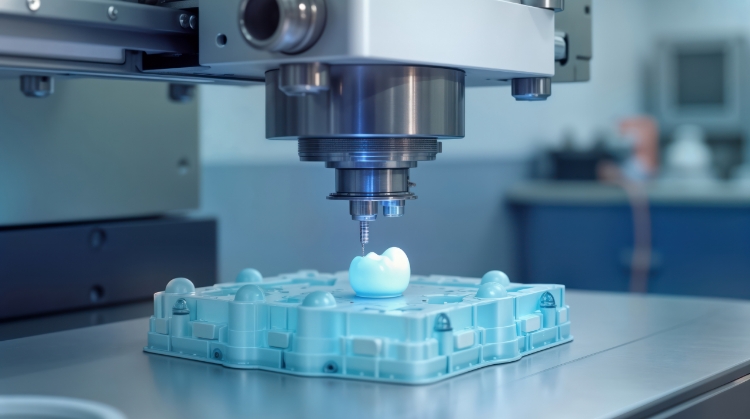
Three-dimensional imaging and CAD/CAM workflows improve accuracy in restorative fabrication. Digital impressions reduce distortion and enhance marginal fit. I integrate digital planning with traditional diagnostic wax-ups for comprehensive evaluation. This hybrid approach combines technological precision with tactile assessment. Each stage is carefully reviewed before finalization.
Ultimately, predictive planning reduces uncertainty and enhances patient confidence. Mock-ups allow patients to experience proposed changes intraorally before committing to definitive treatment. This collaborative process strengthens trust and satisfaction. By combining digital innovation with clinical expertise, I deliver results that are both precise and personalized. Comprehensive planning ensures that each smile design principle is executed with intention and excellence.

Final Thoughts
Designing a truly exceptional smile requires far more than cosmetic enhancement alone. In my clinical experience at Dental Implant Partners in San Francisco, the most predictable and refined outcomes result from respecting biological principles, functional stability, and facial harmony simultaneously. Each of the twelve smile design principles works in concert with the others, and none should be applied in isolation. When diagnostics are thorough and planning is intentional, cosmetic dentistry becomes a precise and highly rewarding discipline. The ultimate objective is not simply visual improvement, but structural integrity and long-term health.
I firmly believe that patients deserve more than trend-driven dentistry or standardized solutions. Every smile I design is tailored to the individual’s facial structure, personality, and functional needs. Advanced materials and digital technologies have elevated what we can achieve, but technology must always be guided by clinical judgment and experience. A well-designed smile should look effortless, feel comfortable, and function predictably for years to come. When beauty and biomechanics are aligned, the result is both transformative and enduring.
Experience Advanced Smile Design at Dental Implant Partners
At Dental Implant Partners, smile design is not an isolated cosmetic service. It is part of a comprehensive, prosthetically driven philosophy that I have cultivated for over 25 years. What began as my dedicated prosthetic practice has grown into a highly experienced team of prosthodontists and general dentists who share a deep commitment to precision, ethics, and exceptional patient care. Every smile we design is grounded in restorative principles that prioritize longevity, function, and biological integrity. Whether we are creating porcelain veneers, restoring dental implants, or completing full mouth rehabilitations, our approach is always meticulous and individualized.
Our practice provides a full spectrum of restorative dentistry, ranging from simple fillings to complex implant supported reconstructions. We are particularly known for comprehensive dental rehabilitations and for designing dentures for patients who are not ideal candidates for implants. Our hygienists are uniquely trained as dentists and have been part of our team for many years, which allows us to deliver a level of preventive and maintenance care that supports long term success. We value the relationships we build with our patients and take pride in delivering care that is careful, ethical, and technically advanced. All of this takes place in our beautiful suite overlooking the San Francisco Bay, where comfort and excellence come together.
If you are considering cosmetic dentistry or would like a professional evaluation of your smile, I invite you to schedule a consultation with us. We would be honored to assess your goals, discuss your options, and design a treatment plan tailored specifically to you. At Dental Implant Partners, we love restoring smiles and we genuinely love the work we do. Most importantly, we would love to help you achieve a healthy, confident smile that reflects the very best version of yourself.