
By Dr. Belinda Gregory-Head, Dental Implant Partners, San Francisco
Key Takeaways
- Bringing a medication list, allergy details, symptom timeline, and broken dental pieces helps a dentist diagnose an emergency faster and more safely.
- Prior dental records, recent X-rays, and implant documentation improve emergency treatment planning, especially for complex restorative or implant-related problems.
- A complete medical history and an accurate list of recently taken pain or infection medications help prevent treatment complications during emergency dental care.
When patients come to me for an emergency dental appointment, the issue is rarely limited to pain alone. I am often evaluating infection, structural damage, pulpal involvement, periodontal instability, or prosthetic failure under significant time pressure. The items a patient brings can materially influence how quickly I can diagnose the problem, reduce risk, and recommend the most appropriate treatment. In urgent dentistry, preparation supports precision.
I always tell patients that emergency care is not simply about getting through the visit. It is about creating the conditions for better clinical decisions and more predictable outcomes. When I have the right records, medications, appliances, and symptom details in front of me, I can move more efficiently from evaluation to intervention. That saves time, limits unnecessary guesswork, and improves care.

1. Valid Photo Identification
Why Identification Matters in Emergency Care
A valid photo ID is one of the first things I want a patient to bring to an emergency dental appointment. In a clinical setting, accurate patient identification is not just administrative routine. It supports correct charting, informed consent, prescription documentation, and treatment authorization. In urgent visits, my team is often moving quickly to gather records and prepare for care. Clear identification reduces preventable intake delays and helps ensure that every clinical decision is linked to the correct patient record. That level of accuracy matters especially when treatment may involve imaging, medication, referral, or same-day surgery.
In my practice, emergency appointments are sometimes the first encounter I have with a patient. That means I may be evaluating a completely new individual with no prior chart history in our system. Under those conditions, identity verification becomes especially important. Even a small error in intake can affect paperwork, prescriptions, or communication with a patient’s other providers. I do not view this as a formality. I view it as part of safe professional care.
Patients are sometimes surprised by how quickly a visit becomes more complex than they expected. What begins as sensitivity or discomfort may turn out to be pulpal necrosis, a dental abscess, a fractured restoration, or a trauma-related injury. In those situations, every step needs to be documented correctly from the start. A photo ID helps us establish that foundation immediately. It is simple, but clinically useful. In emergency dentistry, simple items often make a significant difference.
How ID Supports Documentation and Follow-Up
Beyond intake, photo identification supports continuity of care after the visit. If I need to issue prescriptions, prepare referral notes, or coordinate follow-up treatment, I want every part of the record to be exact. That is especially important if the patient is in severe discomfort and may not remember every detail of the visit afterward. My team relies on precise documentation to communicate next steps clearly. The more accurate the starting information, the more reliable the follow-up process becomes. That protects both patient safety and treatment quality.
This is also relevant when emergency care intersects with insurance submission, legal documentation, or trauma reporting. If a patient arrives after a sports injury, a fall, or an accident, there may be downstream paperwork that depends on correct identification. In restorative, surgical, and implant-related cases, chart accuracy matters long after the urgent visit ends. I am not only treating the current problem. I am building a record that supports future care. Identification helps ensure that the record is dependable.
From a practical standpoint, bringing a photo ID is one of the easiest ways to make an emergency appointment run more smoothly. Patients cannot control when a dental emergency happens, but they can reduce avoidable administrative barriers. That allows me to focus sooner on diagnosis and treatment. In a time-sensitive clinical setting, that matters. I would much rather spend those minutes evaluating the source of pain than chasing basic intake information. Good preparation protects valuable treatment time.
2. Dental Insurance Card
Why Insurance Details Still Matter During Urgent Visits
Patients often assume that insurance is secondary in a dental emergency because the main goal is pain relief. I understand that perspective, but insurance information still matters. Emergency dental visits may include limited examinations, diagnostic imaging, palliative treatment, extractions, incision and drainage, splinting, or provisional restorative work. Coverage for those services can vary significantly depending on the plan structure and remaining annual benefits. When a patient brings their insurance card, my team can begin verifying benefits more efficiently. That helps us explain financial expectations while I focus on the clinical problem.
In my experience, uncertainty about insurance often increases patient stress more than the treatment itself. People want to know whether their emergency exam, radiographs, or same-day procedure may be covered. Even if full verification is not possible before treatment begins, having the correct carrier information allows my team to move faster. That can be especially helpful if the patient needs additional treatment after the emergency appointment. Financial clarity supports informed consent. It also helps patients make decisions with fewer surprises.
There is also a workflow advantage to having insurance information available immediately. When urgent dental care is needed, I do not want the patient losing valuable time while basic administrative information is reconstructed from memory. A missing group number or outdated policy card can create unnecessary delay. That delay may be insignificant in routine dentistry, but in an emergency it can feel much heavier. Pain changes how patients experience time. The smoother we make the process, the more effectively we can support the patient.
How Insurance Information Improves Treatment Planning Conversations
Insurance does not determine my diagnosis, but it often affects how I structure the treatment conversation. If a patient has options between temporary stabilization and more definitive same-day intervention, it helps to understand what may be covered. That allows my team and me to present choices more clearly. I never want a patient agreeing to treatment without understanding the practical implications. Transparent planning is part of ethical care. Insurance details support that transparency.
This becomes even more relevant when an emergency is only the first phase of a larger treatment sequence. A patient with a cracked tooth may need immediate stabilization today and full-coverage restoration later. A patient with acute endodontic pain may need pulpal debridement now and definitive root canal therapy or crown treatment afterward. If I can frame that sequence with some financial context, patients are usually better prepared. The visit feels less chaotic and more strategic. That is a much better experience for everyone involved.
I encourage patients to bring both the insurance card and any digital policy information they have available. Even a phone screenshot of coverage details can be useful. In urgent care, complete information is better than partial memory. My job is to solve the dental problem, but I also want to help patients navigate the larger treatment path realistically. Insurance information supports that process. It may not eliminate every question, but it improves the quality of the conversation.
3. A Reliable Payment Method
Why Financial Readiness Matters in a True Dental Emergency
A payment method is another practical item I recommend bringing to an emergency dental appointment. While some services may be covered through insurance, emergency care often includes procedures that require immediate payment or partial payment. I do not raise that point to make urgent dentistry sound transactional. I raise it because treatment delays caused by financial uncertainty can complicate already unstable conditions. When a patient is in severe pain or has an active infection, postponing care over logistics is rarely ideal. Being prepared financially gives the patient more options.
In real emergency settings, treatment plans sometimes evolve quickly. A patient may believe they are coming in for a consultation only to learn that same-day extraction, recementation, occlusal adjustment, or temporary stabilization is strongly recommended. If they are financially unprepared for that possibility, the visit can become more stressful. I prefer to have honest, professional discussions about treatment and cost rather than forcing rushed decisions. When a patient arrives ready for multiple scenarios, the conversation is usually calmer and more productive. That helps me focus on care rather than interruption.
This is particularly relevant in complex restorative and implant cases. An emergency involving a loose implant crown, fractured prosthesis, dislodged bridge, or cracked tooth under an existing restoration may require materials, lab coordination, or additional imaging. Those cases can move beyond a simple limited exam very quickly. A patient who has brought a payment method is simply better positioned to proceed if intervention is advisable. That does not mean every emergency becomes extensive treatment. It means the patient is prepared if it does.
How Payment Readiness Reduces Decision Pressure
One of the goals in emergency care is to reduce pressure wherever possible. Pain already creates physiological and emotional stress. Administrative barriers should not intensify it. When payment readiness is in place, patients can devote more mental energy to understanding diagnosis, prognosis, and treatment options. That makes the informed consent process more meaningful. I would much rather discuss risks, benefits, and alternatives than watch a patient feel trapped by avoidable logistical uncertainty.
Financial readiness also helps with phased treatment planning. Sometimes I am not trying to complete everything in one visit. Instead, I may be aiming to stop pain, reduce bacterial load, stabilize structure, or manage acute symptoms until definitive care can be completed. Those partial interventions still have costs attached to them. When patients know they can move forward with the urgent phase of treatment, they often feel a sense of relief. They are no longer choosing between pain and confusion. They can begin care with clarity.
From a clinical perspective, anything that allows treatment to proceed more efficiently is beneficial. I never want money to be the defining feature of an emergency appointment, but I also do not ignore reality. Dentistry involves materials, imaging, time, skill, and often immediate intervention. A payment method allows those resources to be mobilized without unnecessary friction. In urgent care, that is genuinely helpful. It is one more way to keep the focus where it belongs.
4. A Current Medication List
Why I Need Exact Medication Names and Dosages
A current medication list is one of the most clinically important items a patient can bring. I do not mean a general statement such as “I take a blood pressure pill” or “I’m on something for cholesterol.” I need actual medication names, dosages, frequencies, and ideally the timing of the most recent dose. In emergency dentistry, those details influence anesthetic decisions, pain management, bleeding considerations, infection management, and postoperative instructions. Good medicine depends on specificity. In urgent care, that specificity becomes even more important.
Patients in pain often forget what they take or accidentally mix prescription names. That is understandable, but it is also exactly why a written list helps. If I am evaluating whether it is safe to prescribe an antibiotic or recommend an anti-inflammatory regimen, I need to know what is already in the patient’s system. Drug interactions are not theoretical concerns. They can shape real treatment choices during a same-day visit. A reliable medication list helps me make safe decisions quickly.
This becomes even more relevant in medically complex patients. Anticoagulants, antiplatelet drugs, corticosteroids, bisphosphonates, immunosuppressants, antidepressants, and diabetes medications all have implications for dental treatment. The same is true for patients on medications that affect salivary flow, blood pressure, or cardiovascular response. If I know the medication profile clearly, I can interpret symptoms more accurately and plan more responsibly. That is not just good practice. It is an essential practice.
How Medication History Changes Emergency Treatment Decisions
Medication history can alter the urgency, timing, and scope of care. A patient taking anticoagulants may still be treated, but I must think carefully about bleeding control if an extraction or surgical procedure becomes necessary. A patient on long-term bisphosphonates may require more deliberate discussion if tooth removal is under consideration. A patient who has already taken multiple analgesics before arrival may be closer to safe dosing thresholds than they realize. These are not small details. They are central to safe emergency management.
I also use medication history to interpret the patient’s symptom experience. For example, corticosteroid use may blunt inflammatory presentation. Certain drugs can affect healing capacity or immune response. Others may contribute to xerostomia, which in turn can increase caries susceptibility and alter restorative prognosis. Emergency visits are often compressed in time, but my clinical reasoning still has to be comprehensive. Medication details help me think beyond the visible complaint.
When patients bring an up-to-date medication list, the visit becomes more efficient and safer. I do not need to rely on uncertain memory or make conservative assumptions that may limit treatment unnecessarily. Instead, I can tailor care with greater precision. In dentistry, precision is not just about hand skills. It is also about clinical judgment. A well-documented medication history supports both.
5. Allergy Information
Why “I’m Allergic” Is Not Enough Without Details
Allergy information is critical, but vague allergy information is often not enough. Many patients tell me they are allergic to antibiotics or pain medications without knowing which drug caused the reaction or what the reaction actually was. From a clinical standpoint, there is a major difference between nausea, gastrointestinal intolerance, rash, swelling, and true anaphylaxis. Those distinctions affect medication planning immediately. If I do not know the details, I may need to avoid useful options simply to stay on the safe side. That can make emergency treatment less efficient.
In urgent dentistry, I am often making medication decisions in real time. If a patient has facial swelling, infection, or significant postoperative risk, I may need to determine whether antibiotics are appropriate and which class is safest. If there is severe pain, I need to know what analgesic categories are realistic choices. Allergy accuracy directly affects those judgments. This is why I encourage patients to bring a written list rather than relying on memory under stress. Pain makes recall less reliable.
The same principle applies to materials and latex sensitivities. If a patient has reacted to dental materials, local anesthetics, adhesive components, or latex-containing products in the past, I want to know. Those details may affect how I set up the procedure, what materials I select, and how I counsel the patient. In emergency care, preparation is not just about speed. It is about reducing avoidable risk. A clear allergy history is one of the best ways to do that.
How Better Allergy Documentation Protects the Patient
When patients document the name of the allergen and the type of reaction, I can make far more confident treatment choices. That allows me to preserve useful therapeutic options instead of defaulting to unnecessarily narrow alternatives. In some cases, patients discover that what they thought was an allergy was actually a side effect. That distinction matters greatly in medication planning. It can broaden the safe treatment pathway. It can also prevent future confusion.
Detailed allergy information also helps my team communicate more accurately with pharmacies and other healthcare providers. If a patient requires referral or collaborative care, everyone benefits when the allergy record is precise. Mislabeling drug allergies is more common than people realize. Once it enters a chart inaccurately, it can affect care for years. I try to avoid that whenever possible. A well-prepared patient makes that easier.
In practical terms, a written allergy list can be very simple. It can be a printed medication summary, a note on a phone, or a patient portal screenshot. What matters is that it includes meaningful detail. I would rather have a short accurate list than a vague verbal warning. Emergency dentistry requires fast but careful decisions. Clear allergy documentation supports exactly that balance.
6. Full Medical History
Why the Rest of the Body Matters in a Dental Emergency
A full medical history is indispensable in emergency dentistry because the mouth does not function independently from the rest of the body. When I assess a dental emergency, I am not only evaluating the tooth, restoration, or area of swelling. I am also assessing the patient’s healing capacity, infection risk, stress tolerance, bleeding profile, and systemic vulnerability. Conditions such as diabetes, cardiovascular disease, autoimmune disorders, renal impairment, and cancer treatment history all shape the clinical picture. Even when the complaint sounds localized, the medical context matters. It always matters.
Patients sometimes assume that if the problem is a broken tooth or severe toothache, their broader health history is not relevant. In reality, it often changes both my diagnostic thinking and my procedural planning. Poor glycemic control can affect infection behavior and healing. Cardiac history may influence anesthetic selection or medication choice. Immune suppression can alter how aggressively I need to monitor swelling or postoperative progression. A complete medical history helps me treat the patient, not just the tooth.
This is particularly important for new emergency patients whom I have never seen before. In established care, prior history may already be documented. In first-time urgent visits, I am often working without continuity. That means the quality of the history the patient brings becomes even more valuable. The better that information is, the more confidently I can move forward. Good emergency care is urgent, but it should never be medically blind.
How Medical Conditions Affect Real-Time Dental Decisions
Medical history affects countless practical decisions during an emergency visit. It can determine whether I proceed with invasive treatment the same day, whether I modify local anesthetic selection, whether I recommend adjunctive medication, or whether additional physician communication is advisable. It may also affect whether the patient is best managed in a general practice setting, specialty office, or hospital-based environment. These decisions are often made quickly. That is why preparation matters.
There are also diagnostic implications. Facial pain may not always be primarily odontogenic. Sinus involvement, neuropathic symptoms, referred pain, temporomandibular pathology, or systemic illness can complicate the presentation. A comprehensive medical history gives me a broader lens through which to interpret symptoms. That does not slow down care. In many cases, it sharpens it. Better context leads to better prioritization.
I encourage patients to think of their medical history as a clinical tool, not just paperwork. When they bring accurate health information, they help me reduce risk and improve treatment quality. That is especially valuable when the emergency is severe or medically layered. Dentistry is at its best when it is both technically skilled and medically informed. In emergency care, that combination is nonnegotiable.

7. Contact Information for Physicians and Specialists
When I May Need to Coordinate with Another Provider
Most emergency dental appointments do not require physician consultation in the room, but some absolutely benefit from having that option available. If a patient has a cardiologist, oncologist, endocrinologist, transplant team, or primary care physician managing important systemic issues, I want those contacts accessible. Certain dental emergencies intersect with anticoagulation, immunosuppression, recent hospitalization, unstable diabetes, osteoporosis medications, or cancer therapy. When that happens, timely coordination may influence what treatment I provide and how I stage it. Having the physician’s information ready can save important time.
In some cases, the need for coordination is apparent before treatment starts. In others, it becomes relevant only after I evaluate the condition. A patient may arrive assuming they only need pain relief, but examination may reveal an infection pattern or surgical need that raises systemic questions. If I have the treating physician’s name, office number, and medication context, I can determine more quickly whether communication is necessary. That improves efficiency. It also protects patient safety.
Even if I do not call the physician during the visit, the contact information remains useful. It allows my team to prepare documentation, send summaries, or verify relevant medical recommendations later in the day. Continuity of care is often overlooked in dentistry, but it matters deeply in complex cases. I prefer to have the information and not need it rather than need it and not have it. That is especially true in emergency settings.
Why Interprofessional Readiness Improves Outcomes
Emergency dentistry often sits at the intersection of multiple health concerns. The more medically involved the patient, the more valuable coordinated care becomes. If I am considering extraction in a patient with active anticoagulation, I want clarity. If infection is present in an immunocompromised patient, I want context. If pain control choices are limited by renal or hepatic disease, physician input may be helpful. These are real-world clinical questions, not theoretical ones.
Bringing physician contact information also helps patients feel that their care is being approached comprehensively. Rather than treating the mouth as separate from the rest of their health, I can integrate broader medical realities into the treatment plan. Patients appreciate that level of professionalism. They feel seen more fully. In my experience, that improves trust and communication.
This is not something I want patients to overcomplicate. A simple note on a phone or insurance card with physician contact details is often enough. What matters is accessibility. If the case becomes medically nuanced, I want to be able to act efficiently. Emergency care benefits from good information at the moment it becomes relevant. Physician contacts are part of that preparedness.
8. Recent Dental Records and X-Rays
Why Prior Imaging Can Change My Diagnosis
Recent dental records and radiographs can significantly improve the quality of an emergency dental appointment. When I have access to previous periapicals, bitewings, panoramic images, periodontal notes, treatment summaries, or CBCT scans, I can compare what I see today to what existed previously. That comparison is clinically powerful. It helps me distinguish between longstanding conditions and newly active pathology. It also improves my ability to interpret radiographic changes accurately.
A patient may present with pain in a tooth that was recently restored or evaluated elsewhere. If I can see the earlier images, I can assess whether there was preexisting deep decay, pulpal proximity, periapical change, or structural concern that is now becoming symptomatic. Without those records, I may still diagnose the problem correctly, but the process is less efficient and sometimes less precise. Prior imaging adds diagnostic depth. In urgent care, that matters.
This is especially important when symptoms are diffuse or misleading. Dental pain does not always localize cleanly. Patients frequently indicate one tooth when the source is adjacent, opposing, or referred along a shared nerve pathway. Earlier records help me reconstruct the clinical story rather than looking at only a single moment in time. That longitudinal perspective supports better judgment. Good emergency care depends on more than immediate observation.
How Records Support Continuity After Recent Treatment
Records are particularly valuable when the emergency follows recent dental treatment. If a patient had a crown preparation, implant restoration, extraction, root canal, or provisional placement shortly before the onset of symptoms, I want to know what was done and when. A written treatment summary can tell me whether the current issue is a predictable healing response, a complication, or an unrelated development. That context shapes my urgency and my treatment recommendations. It also prevents unnecessary duplication.
I find that emergency appointments are more productive when there is continuity between providers. Even if I did not perform the earlier treatment, having access to those details allows me to respect the clinical logic already in place. I can see what the original dentist observed, what materials were used, and what next steps were planned. That reduces guesswork. It also leads to more coordinated care if the patient returns to the original treating office afterward.
Patients do not need a complete folder of every dental record they have ever received. Even limited recent information can be useful. A radiograph, treatment estimate, referral slip, or digital note may provide enough context to sharpen the visit substantially. I encourage patients to gather whatever they can without delaying urgent care. If the information is available, bring it. It can make a meaningful difference.
9. A Written Timeline of Symptoms
Why Symptom Chronology Is Clinically Valuable
A written symptom timeline is one of the most diagnostically useful things a patient can bring to an emergency appointment. I want to know when the pain started, how it changed, what made it worse, what relieved it, and whether the pattern is spontaneous or stimulus-dependent. These details help me differentiate among pulpal inflammation, apical pathology, crack-related pain, occlusal trauma, periodontal disease, and postoperative complications. Timing matters in diagnosis. A symptom history that is vague or fragmented can make interpretation harder.
Patients in acute discomfort often struggle to recount events clearly once they are in the chair. That is completely understandable. Pain narrows attention and distorts recall. A written timeline solves that problem elegantly. It allows the patient to describe the progression more accurately than memory alone usually permits during a stressful visit.
I pay close attention to features such as lingering cold sensitivity, pain on release after biting, nocturnal throbbing, swelling onset, bad taste, trismus, pressure sensitivity, and response to medications. These patterns are not incidental. They guide the differential diagnosis. Emergency care moves faster when the symptom history is precise. That is why I encourage patients to write it down in advance if possible.
What Details I Want Included in the Timeline
The most helpful symptom timeline includes the date of onset, exact location, pain character, severity pattern, provoking factors, relieving factors, and any associated swelling or fever. I also want to know whether the issue followed trauma, chewing on a hard object, recent dental work, or spontaneous development. That broader sequence helps me connect symptoms with likely pathology. A cracked cusp behaves differently than irreversible pulpitis. A periodontal abscess presents differently than occlusal trauma. The timeline helps me sort those possibilities efficiently.
If the patient has noticed changes in chewing function, tooth mobility, sinus pressure, or soft tissue swelling, those details should also be included. The more specific the history, the fewer assumptions I need to make. That allows the examination to be more focused. It also helps me explain the diagnosis more clearly once I have one. Well-structured history improves the entire appointment.
I think of a written symptom timeline as a clinical accelerant. It does not replace examination, radiographs, or testing, but it makes all of them more meaningful. In an emergency setting, anything that enhances clarity is valuable. Patients often underestimate how helpful this can be. From my perspective, it is one of the smartest things they can bring. Good dentistry depends on good information.
10. The Broken Tooth Fragment or Lost Restoration
Why I Want the Actual Broken Piece
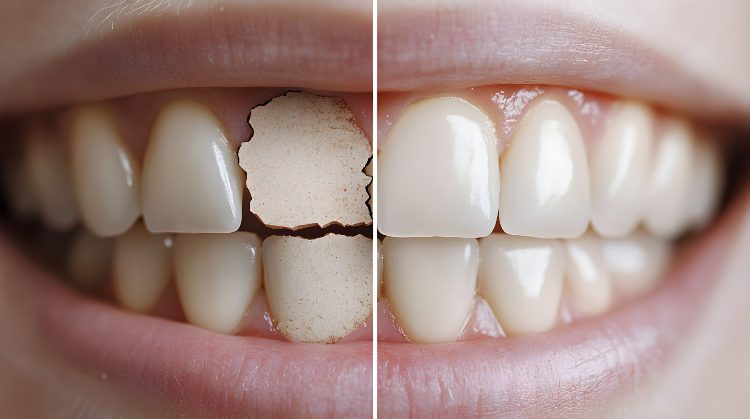
If part of a tooth, filling, crown, veneer, bridge, or inlay has broken or come off, I strongly recommend bringing it to the appointment. The actual fragment can tell me a great deal about the mechanism and extent of failure. I can evaluate fracture surfaces, restorative margins, cement remnants, wear patterns, contamination, and structural integrity. Sometimes the component can be reused temporarily. Other times it serves purely diagnostic value. In both situations, it is useful.
A broken tooth fragment can help me determine whether the failure is primarily restorative, structural, or potentially pulpal. For example, a clean enamel-dentin fracture behaves differently from a deep cusp fracture involving a heavily restored tooth with possible crack propagation. The fragment often shows how much tooth structure has been lost and whether immediate stabilization is feasible. That informs the treatment discussion. In urgent care, that is important.
Patients sometimes leave the broken piece at home because they assume it is no longer relevant. I would much rather have it and decide it is not reusable than not have it at all. Even when I cannot reattach or recement it, it may help guide provisional treatment or restorative planning. Small pieces sometimes carry large diagnostic value. That is especially true in cosmetic or complex restorative cases.
How the Fragment Helps with Temporary and Definitive Planning
The lost restoration or broken fragment may help me determine whether temporary recementation, bonded reattachment, smoothing, provisional replacement, or more definitive treatment is appropriate. If the fit is acceptable and contamination is limited, a crown or veneer may occasionally be repositioned as a short-term measure. If the underlying tooth is compromised, the same piece may still help me assess contour, occlusion, and original restorative design. Either way, it contributes useful information. I prefer not to work blind when a physical reference exists.
This is also valuable from an esthetic and functional standpoint. In anterior cases, preserving a fragment can influence short-term cosmetic management. In posterior cases, it may help me understand lost contact points, occlusal anatomy, or preexisting material fatigue. The more insight I have into the original restoration, the better I can triage what needs to happen immediately and what can be scheduled next. Emergency care often begins with stabilization. The fragment helps me stabilize more intelligently.
I advise patients to place the item in a clean container rather than a pocket or loose tissue wrap. That protects the piece from contamination and accidental loss. It also makes chairside evaluation easier. Again, this may sound minor, but it is not. Dentistry is a detail-driven profession. In an emergency appointment, preserving useful details helps me provide better care.
11. Dentures, Night Guards, Retainers, or Aligners
Why Removable Appliances Belong at the Emergency Visit
If the emergency involves bite changes, gum irritation, fractured teeth, prosthetic instability, or jaw discomfort, I want the patient to bring any relevant removable appliances. That includes dentures, night guards, orthodontic retainers, clear aligners, sleep appliances, and temporary prostheses. These devices often affect force distribution, tissue response, and functional symptoms. If I do not see the appliance, I may miss an important part of the clinical picture. In emergency care, context is everything.
A cracked tooth may have been overloaded by a worn or poorly fitting occlusal guard. Soft tissue trauma may be caused by a distorted denture flange. Unexpected tooth movement or bite change may be related to inconsistent aligner fit or retainer breakage. Patients do not always realize the connection because they focus naturally on the area that hurts. I look more broadly. The appliance often tells me something the symptoms alone do not.
This is especially relevant when the complaint seems vague. Jaw soreness, pressure sensitivity, localized ulceration, and mobility around restorations can all be influenced by removable devices. If I can inspect the appliance directly, I can evaluate fit, wear, cracks, distortion, and hygiene condition. That improves both diagnosis and recommendation. A device left at home is a missed clinical opportunity.
How Appliances Affect Immediate Recommendations
Seeing the appliance allows me to decide whether the patient should continue using it, stop wearing it temporarily, or have it adjusted. That decision can be important. A night guard that is no longer seating properly may worsen a painful tooth. A denture that is rocking on inflamed tissue may perpetuate trauma. An aligner may no longer be appropriate if a restoration has fractured or tooth position has shifted. These are practical decisions I can make more confidently when the device is present.
The appliance also helps with patient education. I can show the patient where the fit is compromised, where material fatigue is developing, or where contact patterns may be contributing to symptoms. That makes the conversation clearer and more persuasive. Patients understand problems better when they can see them. Emergency visits benefit from that kind of direct explanation. It reduces confusion and improves compliance.
I encourage patients to bring the appliance in its proper case whenever possible. That protects it and makes it easier to store if I recommend temporary discontinuation. It also prevents contamination or damage during the visit. In my practice, a removable appliance is often part of the diagnosis, not just an accessory. If the problem may involve it, bring it. I would rather examine it than speculate about it.
12. Implant Information and Prosthetic Documentation
Why Implant Cases Require System-Specific Information
When the emergency involves a dental implant, implant crown, overdenture attachment, or implant-supported bridge, system-specific information becomes extremely valuable. Implant dentistry is not interchangeable in the way many patients imagine. Different implant systems use different connections, screws, restorative components, torque protocols, and prosthetic designs. If a patient presents with a loose implant crown or dislodged component, knowing the implant brand and restorative history can save substantial time. It can also determine whether immediate chairside management is possible.
Without that information, even a straightforward mechanical problem may become more complex. I may still stabilize the situation, but the path is often less direct. For example, a loose crown might be a simple screw-access issue, an abutment problem, or a more significant prosthetic complication. The ability to identify the implant system helps me narrow the possibilities quickly. In urgent care, speed matters, but technical accuracy matters too. Implant cases demand both.
Patients who have implant cards, prior surgical summaries, component packaging, or restorative records should absolutely bring them. Even a photograph of paperwork can be helpful. If the implant was placed elsewhere, those details are even more valuable. I do not want to guess when dealing with component-based treatment. Accurate implant information improves efficiency and reduces unnecessary manipulation.
How Documentation Helps Distinguish Mechanical from Biologic Problems
Implant-related emergencies are not all the same. Some are mechanical, such as screw loosening, crown fracture, or prosthetic instability. Others are biologic, such as peri-implant mucosal inflammation, soft tissue discomfort, or bone loss-related complications. Documentation helps me determine what type of problem I am actually seeing. That distinction is central to the treatment plan. Mechanical problems are managed differently from biologic ones.
If I know what type of restoration was delivered, when it was delivered, and how it was supported, I can evaluate the emergency more intelligently. I can assess whether the issue is likely related to preload loss, occlusal overloading, material fracture, cement complications, or implant integrity concerns. That level of analysis is important in specialized care. It keeps the visit from becoming superficial. Patients deserve more than guesswork when implants are involved.
In my practice, implant emergencies are often highly manageable when the right information is available. The problem is not always severe, but it is often detail-sensitive. Good documentation turns a vague complaint into a technically structured case. That benefits diagnosis, triage, and follow-up planning. If your emergency involves an implant, bring every relevant piece of information you have. It can dramatically improve the appointment.
13. A List of Everything You Have Taken for Pain or Infection
Why Home Medication Use Must Be Documented
By the time patients come in for emergency dental care, many have already taken something to manage the problem. That may include ibuprofen, acetaminophen, naproxen, aspirin, topical numbing gels, decongestants, old antibiotics, or combination cold-and-flu products. I need to know exactly what was taken, in what amount, and when. This is essential for medication safety. It is also important for interpreting the current symptom pattern.
Patients often underestimate how much they have taken over the previous twenty-four hours. They may alternate products without realizing that active ingredients overlap. Acetaminophen is a common example. It appears in many over-the-counter combinations, and patients sometimes unintentionally approach unsafe cumulative doses. If I do not know what has already been used, I cannot safely advise the next step with full confidence. A written list solves that problem.
This information also tells me how the patient has been experiencing the emergency over time. If the pain is only manageable with frequent dosing, that suggests a different level of severity than intermittent mild discomfort. If swelling improved temporarily after inappropriate antibiotic use, I need to account for that when deciding how to proceed. Home treatment attempts influence the clinical presentation. I want to know exactly what those attempts were.
How Self-Treatment History Influences My Recommendations
Knowing what the patient has already taken helps me create a safer and more effective plan. If medication is still needed after treatment, I can avoid duplication, overdosage, or inappropriate timing. If antibiotics are under consideration, I can evaluate whether the patient has already partially treated the infection in a way that may affect response. That matters for both stewardship and efficacy. Emergency care should be decisive, but it should not be careless.
Self-treatment history also shapes the diagnostic conversation. Topical anesthetics, compresses, rinses, and leftover prescription drugs can mask or alter symptoms. That may make the patient’s current presentation look milder or more confusing than it truly is. When I understand what has already been used, I can interpret the exam more intelligently. It adds context. In urgent diagnosis, context improves accuracy.
I recommend that patients write the information down before leaving for the appointment. A simple list with names, doses, and times is enough. It does not need to be elaborate. What matters is reliability. In emergency dentistry, medication history is part of the clinical record, not an afterthought. The clearer it is, the safer the visit becomes.
14. Emergency Contact and Transportation Support
Why It Is Smart Not to Navigate Every Emergency Alone
An emergency contact is an important item to have available, especially if the patient is in significant pain, sleep-deprived, medically complex, or anxious about treatment. Many urgent dental visits are straightforward, but some evolve quickly. What starts as an evaluation may become same-day extraction, drainage, stabilization, or medication-supported management. In those situations, having someone who can assist is genuinely helpful. It adds a margin of safety.
Pain affects concentration, hydration, and decision-making. Patients who have not slept, have been taking multiple medications, or are coping with swelling may not be functioning at their best. I want patients to feel supported rather than isolated. An emergency contact provides practical backup. That can be useful for transportation, postoperative help, or simply communication after the visit.
This is not about assuming the worst. It is about planning responsibly. Dental emergencies are often unpredictable in how they unfold. I would rather know that the patient has support available than discover after treatment that they are alone and unprepared. Good emergency care includes thinking beyond the procedure itself. Recovery logistics matter too.
When a Driver or Escort Becomes Especially Important
A responsible driver is particularly important if there is any possibility of sedation, anxiolytic medication, or overwhelming distress during the appointment. Even when formal sedation is not planned, some patients are not in a safe condition to drive after treatment. Pain, exhaustion, swelling, emotional strain, and medication effects can all reduce fitness to drive. I take that seriously. Transportation planning is part of responsible care.
I also think about this in cases involving invasive treatment. A patient who undergoes extraction, drainage, extensive anesthesia, or urgent restorative stabilization may leave the appointment feeling physically depleted. Having someone available to accompany them can make a tremendous difference. It improves safety and reduces stress. Patients recover better when logistics are not working against them.
I advise patients to arrange help in advance if they suspect the visit may be more than a brief evaluation. It is much easier to have support ready than to scramble for it afterward. Emergency dentistry works best when the patient can focus on care rather than crisis management. Transportation is one of those practical details that becomes very important at the exact moment people least want to think about it. That is why I mention it ahead of time.
15. Written Questions, Relevant Photos, and Treatment Priorities
Why Prepared Communication Improves Emergency Care
One of the most useful things a patient can bring is a short written list of questions and priorities. Emergency appointments move quickly, and patients in pain often forget what they wanted to ask once the exam begins. A written list helps organize the conversation. It ensures that the patient’s main concerns are addressed clearly. That makes the visit more effective for both of us.
I also encourage patients to bring relevant photos when the problem involves visible swelling, trauma, shifting prosthetics, or fluctuating symptoms. A photograph taken earlier in the day may show swelling that has partially subsided by the time the patient reaches my office. That visual evidence can be clinically useful. It helps me understand the true severity and progression of the problem. In urgent care, temporal changes matter.
Prepared communication is not just convenient. It improves clinical efficiency. When patients articulate their priorities clearly, I can align my explanation and recommendations more effectively. Some patients want the most definitive same-day treatment possible. Others need short-term stabilization before travel or before seeing their regular dentist. Knowing that helps me tailor the treatment discussion responsibly.
How Priorities Help Me Structure the Visit
Treatment priorities help me understand what matters most to the patient while still applying sound clinical judgment. If preserving a specific tooth is the highest priority, that may influence how we discuss immediate stabilization versus extraction. If the patient is traveling soon, I may focus on the option most likely to reduce risk during that timeframe. If esthetics are urgent because the problem is anterior, I may consider provisional strategies differently. The more clearly the priorities are stated, the better the conversation becomes.
Written questions also improve informed consent. Rather than passively receiving information while in pain, the patient participates actively in the decision-making process. That leads to better understanding and fewer misunderstandings after the appointment. I strongly value that. Emergency care should still be collaborative, even when time is limited.
From my perspective, this final category ties the entire visit together. Patients who bring records, medications, broken pieces, and imaging are well prepared clinically. Patients who also bring thoughtful questions are prepared communicatively. That combination makes emergency dentistry much more effective. It allows me to treat not just the urgent symptom, but the patient’s real concerns and goals.
To Conclude
In emergency dentistry, what a patient brings to the appointment can directly shape the quality, speed, and safety of care. I am not simply trying to make the visit convenient. I am trying to diagnose accurately, manage pain responsibly, reduce infection risk, and determine the right next step under pressure. The more complete the information and materials available to me, the more precise that process becomes. Preparation helps transform a reactive visit into a clinically focused one.
At Dental Implant Partners in San Francisco, I approach emergency care with the same standards I bring to complex restorative and implant treatment. That means I value detail, context, and informed decision-making. If patients bring identification, medical information, records, symptom timelines, appliances, fractured components, and clear priorities, I can work more efficiently and more intelligently. Dental emergencies are stressful by nature, but they do not have to be disorganized. The right preparation makes better treatment possible.

Why Patients Trust Dental Implant Partners for Thoughtful Emergency and Restorative Care
At Dental Implant Partners, we understand that an emergency dental visit is rarely just about the immediate problem. It is often the beginning of an important treatment decision, whether that involves stabilizing a painful tooth, restoring function after a fracture, or planning the next step in more complex care. For more than 25 years, this has been the prosthetic practice of Dr. Belinda Gregory-Head, and today our larger team of experienced prosthodontists and general dentists continues that same commitment to careful, ethical, high-quality treatment. We provide a full range of restorative care, from simple fillings and veneers to comprehensive dental rehabilitations on dental implants, and we also bring deep expertise in dentures for patients who are not good candidates for implant treatment.
Our patients know us for our long-term relationships, our attention to detail, and our genuine commitment to exceptional care. Our hygienists, who are both trained as dentists and have been with us for many years, are a valued part of that experience and are well known and loved by our patients. We are proud to care for patients in our beautiful San Francisco office overlooking the Bay, where we combine advanced restorative knowledge with a warm, patient-centered approach. If you are dealing with a dental emergency or need experienced guidance on your next step, we would love to help. Contact Dental Implant Partners to schedule an appointment and let our team help restore your comfort, function, and smile.