By Dr. Belinda Gregory-Head, Cosmetic Dentist at Dental Implant Partners, San Francisco
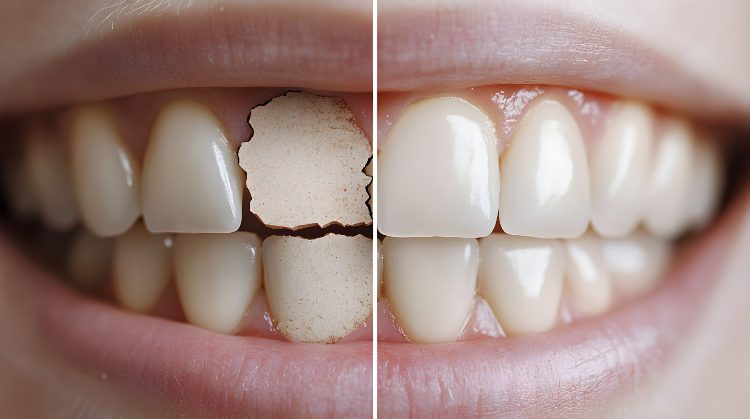
Choosing the right cosmetic dentistry treatment is far more complex than selecting a procedure that looks appealing online. As a cosmetic dentist in San Francisco, I’ve seen firsthand how outcomes vary significantly depending on a patient’s individual anatomy, goals, oral habits, and even their psychological readiness. Cosmetic treatment is a marriage between art and science, and each case requires a unique strategy that considers multiple layers of decision-making.
The ideal smile is one that looks natural, feels comfortable, and remains stable over time. In my practice, I take a comprehensive approach by evaluating both the visible and invisible factors that influence success. Whether you’re considering veneers, bonding, whitening, or a full-mouth reconstruction, the process must begin with careful planning and expert guidance. Here are the seven key factors I believe every patient must consider before moving forward with any cosmetic dentistry procedure, along with three additional insights that can deeply influence your outcome and satisfaction.

1. Understanding Your Aesthetic Goals
The foundation of any cosmetic dental treatment lies in understanding your aesthetic goals. As a clinician, I always start with a deep conversation about what you see when you look in the mirror and what you’d like to see instead. Are you focused on color, symmetry, size, or alignment? Do you want a dramatic Hollywood smile, or do you lean toward subtle enhancements that preserve natural character? These preferences dictate not only the treatment approach but also the materials, techniques, and timeline.
One of the tools I rely on in my practice is digital smile design, which allows us to simulate potential outcomes. This helps clarify goals and aligns your expectations with clinical reality. Often, patients have an idea of what they want but struggle to articulate it, and these visual tools bridge that communication gap. We can explore different tooth shapes, widths, and angles to determine what best suits your face, age, and personality. This process also helps you feel more involved in your treatment planning, which improves satisfaction.
It’s also essential to anchor aesthetic desires in anatomical feasibility. For instance, achieving longer teeth may be limited by bone support or lip line, and striving for overly white teeth may not suit your complexion or the translucency of adjacent natural teeth. My role is to help patients balance idealism with realism so that their new smile is both achievable and sustainable. Establishing clear, well-informed goals early ensures the rest of the treatment process flows smoothly and efficiently.
2. Assessment of Oral Health Foundation
Before pursuing any cosmetic enhancement, I always begin with a thorough assessment of your oral health. This is non-negotiable. No matter how appealing veneers or whitening may seem, they will not succeed if the foundation, gums, bone, and natural tooth structure, is compromised. Active gum disease, decay, enamel erosion, or poor bite function can all undermine the longevity of cosmetic work and lead to expensive corrective treatments later.
During this evaluation, I look beyond what’s visible on the surface. Using digital imaging, periodontal charting, and occlusal analysis, I assess the integrity of the supporting structures. For example, inflamed or receding gums can cause veneers to look uneven over time, and untreated cavities beneath restorations can accelerate tooth damage. I’ve seen many cases where patients received aesthetic treatment elsewhere without addressing foundational problems, only to have their results unravel within a few years. Prevention and pre-treatment stabilization are essential.
It’s also important to note that improving oral health can, by itself, enhance aesthetics. Removing inflammation, restoring balance, and achieving healthy pink gums will naturally brighten and improve your smile. Sometimes, the most transformative cosmetic outcomes occur not through added procedures but through meticulous attention to biological health. Establishing this foundation is not just a precaution, it’s the first active step in the cosmetic journey.
3. Longevity and Maintenance of Treatment
Cosmetic treatments vary significantly in terms of how long they last and what kind of maintenance they require. For example, porcelain veneers can last 10 to 15 years with good care, while composite bonding may need touch-ups every few years. Professional whitening results may fade within six months, especially if you’re exposed to staining foods or drinks. When planning a treatment, I help patients look beyond the immediate transformation and consider the long-term demands of the procedure.
Maintenance also involves behavior modification. For instance, patients who grind their teeth may need a nightguard to protect their new restorations, while those who consume a lot of coffee or wine may need more frequent polishing or whitening. I always provide detailed post-treatment care instructions tailored to the material and the patient’s lifestyle. This includes recommendations for specific toothpaste, oral hygiene habits, and routine dental visits to ensure the results remain stable and attractive.
Another critical part of this discussion is your willingness to commit to the upkeep. Some patients are perfectly comfortable returning for touch-ups and maintenance visits, while others prefer low-maintenance options. I often map out different treatment tiers based on durability and maintenance frequency so you can choose the option that best fits your lifestyle and expectations. Your smile doesn’t just need to look good today, it needs to evolve gracefully with you.
4. Material Science and Technological Options
The materials used in cosmetic dentistry have evolved dramatically over the past decade, and these innovations now allow us to deliver results that are both stunning and functionally resilient. In my practice, I work with materials like lithium disilicate, zirconia, and nanohybrid composites, each selected based on the specific needs of the case. For example, anterior veneers may benefit from ultra-translucent ceramics that mimic the light transmission of natural enamel, while molars require high-strength restorations like monolithic zirconia.
Material choice isn’t just about appearance, it’s a biomechanical decision. A patient with a history of heavy bruxism may damage delicate feldspathic porcelain within months, whereas the same material might be ideal for a patient with minimal bite force and good alignment. That’s why I evaluate function and parafunctional habits before selecting a material. In many cases, I use a combination of materials throughout the mouth to achieve optimal results in both appearance and performance.
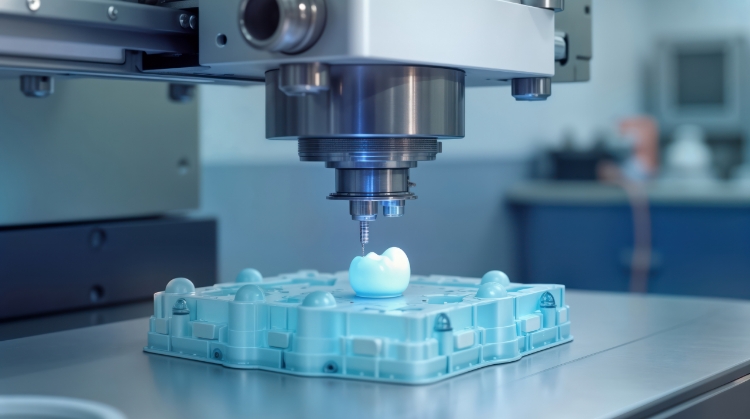
Advanced technology also enhances precision and efficiency. With digital scanning, 3D modeling, and computer-aided design/manufacturing (CAD/CAM), we can design restorations with extraordinary accuracy and reduce the need for messy impressions or multiple adjustments. These innovations reduce chair time, improve comfort, and lead to more predictable outcomes. Investing in the right technology means we’re not just crafting smiles, we’re engineering long-term success.

5. Financial Planning and Cost-Benefit Analysis
Cosmetic dentistry is an investment, and the decision must be approached with a clear understanding of costs and benefits. Not all procedures carry the same financial implications. Whitening is relatively inexpensive, while full-mouth reconstruction or a multi-unit veneer case can involve substantial cost. During consultations, I always walk patients through a transparent breakdown of anticipated expenses, including potential future maintenance.
Beyond the price tag, it’s important to consider the long-term value. A higher-cost treatment that lasts 15 years may ultimately be more cost-effective than a cheaper procedure that requires frequent replacements. Additionally, cosmetic improvements often carry intangible benefits such as increased confidence, enhanced career opportunities, and improved social comfort. These factors may be difficult to quantify, but they’re incredibly significant when evaluating overall value.
I also offer financial planning tools and phased treatment plans to help make cosmetic dentistry more accessible. Sometimes we start with the most visible areas and address others over time, based on your comfort and resources. In select cases, portions of cosmetic procedures may overlap with restorative needs, allowing for partial insurance coverage. Planning doesn’t just reduce financial strain, it empowers patients to make confident, informed decisions.
6. Compatibility with Bite Function and Occlusion
Even the most beautiful restorations will fail if they don’t align with your bite mechanics. Cosmetic procedures must harmonize with how your teeth come together during speech and chewing. Poor occlusion can lead to headaches, jaw pain, tooth fractures, and premature wear of restorations. I conduct a full occlusal analysis for every cosmetic case, often using digital bite mapping and articulating film to evaluate how forces are distributed across your teeth.
In patients with malocclusion, such as an overbite or crossbite, cosmetic restorations might require pre-treatment orthodontics or bite adjustments. Without addressing these issues first, new veneers or crowns could chip, dislodge, or create muscle tension in the temporomandibular joint (TMJ). I sometimes recommend Invisalign or selective equilibration as a preparatory phase to ensure the mouth is in optimal balance before finalizing cosmetic enhancements.
We also consider dynamic occlusion, how teeth move across one another during function, not just how they sit statically. A restoration that looks perfect but causes friction during movement is prone to failure. That’s why I prioritize both static and dynamic balance when planning cosmetic cases. Function and beauty should always coexist in dentistry, never compete.
7. Minimally Invasive Options vs. Aggressive Reshaping
The philosophy of modern cosmetic dentistry favors conservation over destruction. Wherever possible, I advocate for minimally invasive treatments that preserve natural tooth structure. This includes no-prep or minimal-prep veneers, enamel microabrasion, and advanced bonding techniques. These options reduce trauma to the teeth, lower the risk of postoperative sensitivity, and provide more flexibility for future changes.
However, minimal doesn’t mean one-size-fits-all. In some cases, more comprehensive reshaping is required to correct deep staining, tooth size discrepancies, or structural damage. If a tooth is already compromised by decay, cracks, or large fillings, full coverage may be more appropriate than bonding or thin veneers. In these cases, I discuss all pros and cons with the patient, including long-term implications and future maintenance expectations.
Being conservative in preparation is a mindset, not a limitation. It’s about using diagnostic tools and artistic judgment to achieve aesthetic goals with the least biological cost. Whether you’re pursuing a subtle tweak or a full smile transformation, my goal is always the same: to enhance beauty while preserving health and structural integrity.
Patient Lifestyle and Habits (Supplementary Consideration)
Your lifestyle directly influences both treatment choice and outcome durability. Are you a frequent coffee or red wine drinker? Do you smoke or grind your teeth at night? These factors may predispose you to faster discoloration, wear, or failure of cosmetic restorations. I factor these habits into my treatment recommendations and always plan for protective measures post-treatment.
For example, a patient who grinds at night may need custom occlusal guards post-veneers to prevent chipping. An avid athlete might benefit from a sports mouthguard if they’re investing in cosmetic bonding. Dietary habits, occupational exposures (like public speaking), and personal grooming standards also play a role in determining which aesthetic priorities and materials are most suitable.
Additionally, maintenance recommendations vary. Some patients may need professional polishing every 3–4 months instead of the standard 6, especially after high-stain procedures like bonding or whitening. Educating patients on how their lifestyle intersects with cosmetic longevity ensures better compliance and satisfaction in the long run.
Emotional Readiness and Psychological Impact (Supplementary Consideration)
Cosmetic dentistry isn’t just about improving smiles, it’s about transforming lives. That transformation can be emotional, even overwhelming. I’ve seen patients cry tears of joy after seeing themselves smile confidently for the first time in decades. But I’ve also worked with individuals who needed time to adjust to their new appearance or struggled with self-image issues even after physical enhancement.
That’s why I always discuss emotional readiness before major aesthetic changes. Are you prepared to see yourself differently? Are you pursuing this transformation for your own confidence or external validation? These conversations are delicate but crucial. In some cases, I recommend counseling support alongside smile design, especially for patients with a history of body dysmorphia or trauma.
Ultimately, cosmetic treatment should empower you. It should feel like a reflection of your best self, not a mask. By honoring the psychological dimensions of cosmetic dentistry, we ensure that your outcome is not just clinically successful but also personally fulfilling.

Expert Cosmetic Dentistry Care at Dental Implant Partners Starts Here
At Dental Implant Partners, this thoughtful and comprehensive approach to cosmetic and restorative dentistry reflects our commitment to patient care for more than 25 years. What began as my prosthetic practice has grown into a highly experienced team of prosthodontists, general dentists, and hygienists who share a deep commitment to precision, ethics, and exceptional patient care. Our hygienists, who are also trained as dentists, have been with us for many years and are truly part of what makes our practice special. Together, we focus on building long-term relationships and delivering dentistry that is as functional and durable as it is beautiful.
We provide a full spectrum of care, from conservative treatments like fillings and veneers to complex full-mouth rehabilitations supported by dental implants. When implants are not the right solution, we are equally skilled in designing high-quality dentures that restore comfort, function, and confidence. Every treatment we provide is planned with careful attention to oral health, bite function, aesthetics, and long-term stability. Our goal is always to create results that serve our patients well for years to come, not just immediately after treatment.
Our practice is located in a beautiful suite overlooking the San Francisco Bay, and it is a space designed to reflect the level of care we provide. We love restoring smiles, we love our work, and we truly enjoy partnering with patients on their dental journeys. If you are considering cosmetic dentistry or want expert guidance on restorative options that align with your goals and oral health, we invite you to schedule a consultation with us. We would be honored to help you explore the possibilities and create a treatment plan tailored specifically to you.