
By Dr. Belinda Gregory-Head, Dentist at Dental Implant Partners – San Francisco
As a practicing dentist at Dental Implant Partners in San Francisco, I often meet patients who believe brushing and flossing alone are enough to maintain oral health. While these habits are essential, they cannot remove all plaque and biofilm that accumulate in hard-to-reach areas of the mouth. Over time, these deposits can harden into calculus that requires professional instruments to remove. Regular dental cleanings allow dental professionals to eliminate these buildups, evaluate the health of teeth and gums, and prevent oral problems before they become more serious.

1. Prevention of Plaque and Calculus Accumulation
One of the most fundamental reasons regular dental cleaning is essential lies in the prevention of plaque and calculus buildup. Dental plaque is a microbial biofilm that continuously forms on tooth surfaces, composed of bacteria, salivary proteins, and extracellular substances produced by microorganisms. This biofilm adheres tightly to enamel and root surfaces, especially in areas where toothbrush bristles cannot effectively reach. Although brushing and flossing remove a significant portion of plaque, small deposits often remain in interproximal spaces, around restorations, and along the gumline. Over time, these deposits can accumulate and create an environment conducive to bacterial growth and oral disease.
If plaque is not removed consistently, it begins to mineralize through the interaction of salivary calcium and phosphate ions. This mineralization process converts soft plaque into calculus, commonly referred to as tartar, which becomes firmly attached to the teeth. Unlike plaque, calculus cannot be removed with conventional oral hygiene tools and requires specialized dental instruments for safe removal. The rough surface of calculus also provides an ideal substrate for additional plaque accumulation, accelerating the progression of bacterial colonization within the oral cavity. As this cycle continues, the risk of inflammation, gum disease, and tooth decay increases significantly.
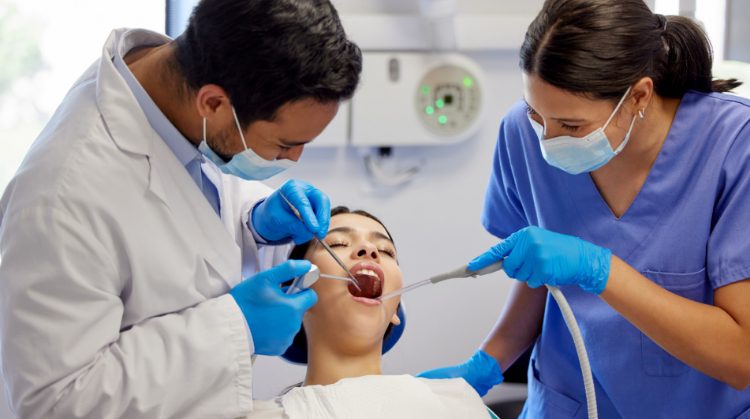
Professional dental cleaning disrupts this cycle by thoroughly removing both plaque and calculus before they can cause significant harm. Using ultrasonic scalers and precision hand instruments, dental professionals can access areas beneath the gumline and between teeth where bacterial deposits commonly accumulate. This process restores smooth tooth surfaces, making it more difficult for bacteria to adhere and colonize. By preventing the accumulation of calculus, routine cleanings help maintain a healthier oral environment and reduce the likelihood of disease development.
2. Early Detection of Oral Health Problems
Routine dental cleaning appointments provide an invaluable opportunity for early detection of developing oral health issues. During these visits, dentists conduct a comprehensive examination of the teeth, gums, soft tissues, and supporting structures of the mouth. Many oral diseases progress gradually and may not produce noticeable symptoms during their early stages. Without professional evaluation, patients often remain unaware of underlying problems until they have advanced to a more serious condition. Regular dental visits allow clinicians to identify subtle warning signs before they escalate.
Through careful visual examination and diagnostic techniques, dentists can identify early indications of tooth decay, enamel erosion, microfractures, and gingival inflammation. Radiographic imaging may also be used when necessary to detect issues beneath the surface of the teeth or within the surrounding bone. Detecting these problems early allows for minimally invasive treatment options that preserve natural tooth structure. When addressed promptly, many dental concerns can be resolved with conservative procedures rather than complex restorative treatments.
From a clinical perspective, early diagnosis significantly improves long-term treatment outcomes. Conditions such as small cavities, early-stage gum inflammation, or minor enamel wear can be managed effectively when identified promptly. Conversely, delaying diagnosis often results in more extensive damage that requires crowns, root canal therapy, or surgical interventions. Regular dental cleanings therefore serve not only as preventive maintenance but also as an important diagnostic checkpoint that protects long-term oral health.
3. Prevention of Gum Disease
Gum disease is one of the most common oral health conditions affecting adults, and it often begins with a mild form known as gingivitis. Gingivitis occurs when plaque accumulates along the gumline and releases bacterial toxins that irritate the surrounding tissues. The body’s immune response to these toxins causes inflammation, which may manifest as redness, swelling, and bleeding during brushing or flossing. Although gingivitis is reversible in its early stages, it can progress into more severe periodontal disease if left untreated.
As inflammation persists, the bacterial infection can extend deeper into the tissues that support the teeth. This stage of the disease, known as periodontitis, involves the destruction of connective tissue fibers and the gradual loss of supporting bone around the teeth. Periodontal pockets form between the gums and the tooth surfaces, creating an environment where bacteria can thrive and multiply. Over time, these pockets deepen, and the structural support of the teeth becomes compromised. Without intervention, advanced periodontal disease can ultimately lead to tooth mobility and tooth loss.
Regular dental cleaning plays a critical role in preventing the progression of gum disease by removing the bacterial deposits responsible for inflammation. By eliminating plaque and calculus from the gumline and beneath the gingival margin, professional cleanings allow the gums to heal and regain their natural attachment to the teeth. Consistent maintenance appointments also allow dental professionals to monitor periodontal health and intervene early if signs of disease appear. This proactive approach significantly reduces the risk of irreversible periodontal damage.
4. Reduction of Chronic Bad Breath
Persistent bad breath, or halitosis, is frequently associated with bacterial activity within the oral cavity. Many of the microorganisms responsible for oral malodor produce volatile sulfur compounds as metabolic byproducts. These compounds have a strong odor and accumulate when bacteria break down food particles, proteins, and cellular debris within dental plaque. Areas such as the gumline, tongue surface, and spaces between teeth often harbor these odor-producing bacteria.
When plaque and food debris remain in the mouth for extended periods, the bacterial colonies responsible for halitosis multiply rapidly. Mouthwash and breath fresheners may temporarily mask the odor, but they do not eliminate the underlying bacterial source. If plaque and calculus remain present, the microorganisms responsible for bad breath will continue to produce sulfur compounds. This is why many individuals experience persistent halitosis despite maintaining routine brushing habits.
Professional dental cleaning addresses the root cause of bad breath by removing bacterial reservoirs from tooth surfaces and periodontal pockets. Dental hygienists also evaluate areas such as the tongue and provide guidance on effective cleaning techniques to reduce bacterial accumulation. By eliminating plaque buildup and improving periodontal health, professional cleanings significantly reduce the conditions that promote oral malodor. Patients often notice a marked improvement in breath freshness following routine dental cleaning appointments.

5. Prevention of Tooth Decay
Tooth decay develops when acid-producing bacteria within dental plaque metabolize sugars and carbohydrates from food. These bacteria generate acids that gradually dissolve the mineral structure of enamel, leading to the formation of cavities. While enamel is the hardest substance in the human body, it is still vulnerable to continuous acid exposure. If plaque remains on tooth surfaces for prolonged periods, the repeated acid attacks can eventually penetrate the enamel and reach the underlying dentin.
Once decay begins, it progresses through the tooth structure and can eventually affect the dental pulp, which contains nerves and blood vessels. At this stage, patients may experience pain, sensitivity, or infection requiring more complex treatments such as root canal therapy. Preventing the initial stages of tooth decay is therefore one of the primary goals of preventive dentistry. Routine dental cleaning plays a key role in minimizing the bacterial activity that leads to enamel demineralization.
By removing plaque deposits and polishing the tooth surfaces, professional cleanings reduce the bacterial load responsible for acid production. Smooth tooth surfaces are less likely to retain plaque, making it easier for patients to maintain good oral hygiene between visits. Dental professionals may also apply fluoride treatments during cleaning appointments to strengthen enamel and enhance its resistance to acid attack. Together, these preventive measures significantly lower the risk of cavity development.
6. Protection of Dental Restorations and Implants
Dental restorations such as crowns, bridges, fillings, and dental implants require proper maintenance to ensure their longevity. Although these restorations are designed to withstand normal chewing forces, they remain vulnerable to bacterial accumulation around their margins. Plaque buildup near restorations can lead to secondary decay, gum inflammation, or complications that compromise the integrity of the restoration. Regular dental cleaning helps protect these investments by maintaining a clean and healthy environment around them.
In patients with dental implants, professional maintenance becomes particularly important. Unlike natural teeth, implants do not have a periodontal ligament and rely entirely on surrounding bone for support. If bacterial plaque accumulates around an implant, it can lead to a condition known as peri-implantitis, which causes inflammation and bone loss around the implant structure. Early intervention through professional cleaning helps prevent these complications and preserves implant stability.
Dental hygienists use specialized instruments designed to clean around restorations and implants without damaging their surfaces. These instruments effectively remove plaque while protecting delicate materials such as porcelain or titanium. Routine maintenance also allows dentists to evaluate the integrity of restorations and detect early signs of wear or damage. By maintaining proper hygiene around dental work, patients can significantly extend the lifespan of their restorations.
7. Improvement of Overall Systemic Health
Research over the past two decades has revealed strong connections between oral health and systemic health conditions. Chronic oral infections, particularly periodontal disease, can contribute to inflammation throughout the body. Bacteria from the mouth can enter the bloodstream and trigger immune responses that affect distant organs. This relationship has been associated with conditions such as cardiovascular disease, diabetes, and respiratory infections.
Inflammatory markers produced during periodontal infections may contribute to the development or worsening of systemic diseases. For example, patients with uncontrolled gum disease often experience increased inflammatory activity that can affect blood vessels and metabolic regulation. Maintaining healthy gums through regular dental cleanings helps reduce this inflammatory burden and supports overall health. Preventive dental care therefore, plays an important role beyond the boundaries of the oral cavity.
For patients with existing medical conditions, maintaining oral health becomes even more critical. Individuals with diabetes, for instance, are more susceptible to gum infections due to impaired immune responses. Conversely, periodontal inflammation can make blood sugar levels more difficult to control. Regular dental cleanings help break this cycle by reducing bacterial infection and promoting healthier tissues. By prioritizing oral health, patients contribute positively to their overall well-being.
8. Long-Term Cost Savings Through Preventive Care
Preventive dental care is not only beneficial for health but also financially advantageous in the long run. Many of the most expensive dental procedures are required when oral diseases progress to advanced stages. Treatments such as root canals, periodontal surgery, dental implants, and full-mouth restorations can involve high costs and extended treatment timelines. Preventing these conditions through routine dental cleanings is far more cost-effective.
When patients attend regular cleaning appointments, dentists can detect and address minor issues before they require extensive intervention. Small cavities can be treated with simple fillings rather than crowns, and early gum inflammation can be managed without surgical treatment. These early interventions preserve natural tooth structure and minimize treatment complexity. Over time, this proactive approach significantly reduces the financial burden associated with dental care.
From a long-term perspective, maintaining natural teeth is always the most economical and biologically favorable outcome. Replacing lost teeth with prosthetics or implants is considerably more complex than preserving existing teeth through preventive care. Regular dental cleanings support this goal by protecting oral structures and minimizing disease progression. Investing in preventive dentistry ultimately saves patients both time and money while maintaining optimal oral function.

To Conclude
Regular dental cleaning is far more than a routine cosmetic procedure; it is a medically significant component of preventive oral healthcare. By removing plaque and calculus, monitoring oral tissues, and identifying potential problems early, professional cleanings protect the integrity of teeth and supporting structures. These appointments allow dentists to intervene before minor concerns develop into complex conditions that require extensive treatment. In my clinical experience, patients who prioritize preventive care consistently experience better oral health outcomes over time.
Beyond the direct benefits to the teeth and gums, routine dental cleaning also contributes to broader health improvements. Maintaining a healthy oral environment reduces bacterial inflammation, improves breath quality, and supports systemic health. Patients who invest in regular dental visits often report increased confidence in their smiles and greater comfort in social and professional interactions. Preventive dentistry therefore supports both physical health and overall quality of life.
As a dentist at Dental Implant Partners in San Francisco, I strongly encourage patients to view dental cleaning as an essential part of long-term health maintenance. Consistent preventive care allows us to preserve natural teeth, protect restorative treatments, and maintain healthy periodontal structures. By scheduling routine dental cleanings and following professional oral hygiene recommendations, patients can significantly reduce the risk of future complications and enjoy lasting oral health.
About Dental Implant Partners
At Dental Implant Partners, preventive care such as regular dental cleanings is an essential part of how we help our patients maintain long-term oral health. For more than 25 years, our practice has been led by Dr. Belinda Gregory-Head, and today we are proud to have a team of highly experienced prosthodontists and general dentists who share a deep commitment to exceptional patient care. Our hygienists, who are also trained as dentists, have been with our practice for many years and are well known and trusted by our patients. Their clinical expertise allows us to provide dental cleanings that are both thorough and carefully tailored to each patient’s oral health needs.
In addition to preventive care, we provide a full range of restorative dental services including fillings, veneers, and comprehensive dental rehabilitations using dental implants. For patients who are not candidates for implants, we also have extensive expertise in designing and providing comfortable, functional dentures. Our goal is always to preserve natural teeth whenever possible and to restore healthy smiles with the highest level of precision and care.
We value the long-term relationships we build with our patients and are proud to provide thoughtful, ethical dentistry in a beautiful office overlooking the San Francisco Bay. If you are looking for a dental team that prioritizes prevention, advanced restorative care, and personalized treatment, we would love to welcome you to our practice. Contact Dental Implant Partners today to schedule your dental cleaning or consultation and take the next step toward maintaining a healthy, confident smile.