
By Dr. Belinda Gregory-Head, DDS – Dental Implant Partners, San Francisco
For many of my patients, dentures have been a transformative solution for restoring oral functionality and aesthetics. However, as a prosthodontist with years of experience, I’ve encountered a variety of common challenges that patients face with dentures. While dentures offer significant benefits, they are not without issues. Fortunately, many of these problems are preventable or manageable with the right interventions. Below, I’ll present the nine most common denture problems I encounter in my practice and outline how we can effectively resolve each one.

1. Poor Fit and Denture Looseness
Denture fit is one of the most critical aspects of comfort and function. A poorly fitting denture not only causes discomfort but can also contribute to bone resorption, inflammation, and reduced masticatory efficiency. Over time, the jawbone naturally resorbs, particularly in the absence of natural tooth roots, which can cause the denture to become loose. This is particularly pronounced in full lower dentures, where suction and retention are often more difficult to maintain.
Many patients believe their dentures are meant to fit perfectly forever, but the oral environment changes continuously. What fit well a year ago may now be inadequate. That’s why routine denture relines or even remakes, are sometimes necessary. In my clinic, we use techniques such as soft relines for temporary relief or hard relines for a more durable solution. Digital impressions and CAD/CAM technology have made it easier to fabricate more precise and stable dentures.
Implant-supported dentures are an excellent long-term solution for chronic looseness. By anchoring the denture to dental implants, we bypass many of the fit-related issues that occur due to bone loss. This option is especially beneficial for patients with significant resorption or those who want a fixed prosthesis. Not everyone is a candidate, but a thorough evaluation of bone density and systemic health can help determine if this route is suitable.
2. Sore Spots and Oral Irritation
One of the most common early complaints I hear from new denture wearers is the development of sore spots. These are typically caused by uneven pressure distribution or friction between the denture base and the mucosa. When a denture doesn’t conform properly to the oral anatomy, pressure points develop and can lead to ulcerations, inflammation, or secondary infections if left untreated.
Managing sore spots begins with identifying the high-pressure areas. We use pressure indicator paste and articulation paper to find discrepancies and adjust the acrylic accordingly. Sometimes patients attempt to self-adjust or ignore the pain, which can exacerbate the issue. In the worst cases, prolonged irritation can contribute to chronic inflammatory changes or even pre-cancerous lesions like epulis fissuratum.
To prevent these issues, I advise patients to adhere to a schedule of follow-up visits, particularly in the initial weeks of denture wear. Proper hygiene, nightly removal of the dentures to allow the tissue to rest, and using tissue conditioners when necessary can all help alleviate irritation. For patients with thin or sensitive mucosa, I may recommend transitioning to a softer lining material or an implant-retained prosthesis to distribute occlusal forces more evenly.
3. Difficulty Speaking Clearly
Speech disturbances are not uncommon in the first few weeks following denture insertion. The tongue, lips, and cheeks all need time to adapt to the presence of a foreign body, especially when the palatal coverage is extensive, as in upper dentures. Common phonetic issues include difficulty pronouncing sibilant sounds like “s,” “sh,” or “ch,” and in some cases, patients may experience a slight lisp.
From a clinical perspective, speech difficulties can also signal a poor denture design. If the denture base is too thick, especially in the palatal region, or if the teeth are positioned incorrectly, it will interfere with tongue space and muscle coordination. I carefully evaluate phonetics during the try-in stage, using wax setups to mimic natural speech and ensure the patient’s tongue has enough room for articulation.
Speech therapy exercises, such as reading aloud or repeating specific phrases, can help accelerate the adaptation process. I often recommend that patients practice speaking in front of a mirror to regain confidence. For chronic speech issues that don’t resolve after a few weeks, a reassessment of the denture’s design is necessary. In some cases, a switch to a palate-free or implant-supported prosthesis can dramatically improve speech outcomes.
4. Gag Reflex and Denture Tolerance
A hyperactive gag reflex can be a significant barrier to successful denture wear, particularly for upper dentures that extend too far posteriorly. The soft palate is a sensitive area, and any excessive material in this zone can trigger nausea, retching, or even vomiting. For patients with strong gag reflexes, tolerating a full upper denture may be virtually impossible without modifications.
In my practice, I begin by evaluating the extent and cause of the gag reflex, whether it’s anatomical, psychological, or iatrogenic. For some patients, shortening the posterior palatal seal while still maintaining retention can reduce gagging. Others may benefit from a palate-less denture design supported by implants, which removes material from the soft palate area entirely.
Desensitization techniques, such as wearing the denture for increasing intervals of time or using behavioral strategies, may also help. In more severe cases, we collaborate with psychologists or use topical anesthetics and anti-anxiety medications to help the patient acclimate. It’s crucial not to dismiss this issue, as unresolved gagging often leads to non-compliance and eventual prosthetic failure.

5. Difficulty Eating and Chewing
Chewing efficiency with dentures is generally lower than with natural teeth, especially when the denture lacks proper retention or stability. Patients often report that they avoid hard, fibrous, or sticky foods, which can impact nutrition. It’s essential to educate patients that while some adaptation is expected, persistent difficulty chewing may be a sign of an underlying issue with occlusion or fit.
Proper denture occlusion is not simply about aligning teeth. It involves balanced occlusal schemes that distribute forces evenly and prevent tipping or dislodgement. In our clinic, we often use lingualized occlusion or bilateral balanced occlusion to enhance chewing stability, especially in complete dentures. The choice of acrylic versus porcelain teeth can also affect how well patients can chew, as can the density of the underlying ridge.
For patients who continue to struggle despite proper adjustments, implant-retained overdentures or fixed hybrid prostheses can provide the bite force and stability they need. These solutions allow patients to return to a more varied diet without fear of their dentures shifting or causing pain. Nutritional counseling is also part of our holistic care approach, ensuring that denture wearers maintain adequate protein, fiber, and vitamin intake.
6. Excessive Saliva or Dry Mouth (Xerostomia)
Both excessive salivation and dry mouth can affect denture wearers significantly, albeit in different ways. Hypersalivation often occurs in new denture users as the body reacts to the presence of a foreign object. This typically normalizes within a few weeks, but for some, it may persist. On the other hand, xerostomia, more common among the elderly or those taking certain medications, can severely impact denture retention and comfort.
Saliva plays a vital role in denture adhesion, particularly through capillary attraction and surface tension. In xerostomic patients, the lack of lubrication leads to increased friction, sore spots, and difficulty keeping the denture in place. We often use salivary substitutes or suggest sugar-free lozenges containing xylitol to stimulate residual gland activity. In advanced cases, collaboration with the patient’s primary care physician may be required to adjust medications.
When xerostomia is severe, I may recommend implant-supported dentures that don’t rely on salivary adhesion. Additionally, I stress the importance of rigorous oral hygiene, as dry mouth increases the risk of fungal infections like candidiasis. Patients should also avoid alcohol-based mouthwashes and opt for moisturizing gels or sprays formulated specifically for dry oral tissues.
7. Denture Stomatitis and Oral Infections
Denture stomatitis is an inflammatory condition, often fungal in origin, that primarily affects the palatal mucosa beneath a maxillary denture. It is commonly associated with poor hygiene, continuous wear without nighttime removal, or systemic conditions like diabetes. The hallmark signs include redness, swelling, and sometimes burning or itching sensations.
In diagnosing stomatitis, I assess hygiene habits, denture cleanliness, and any underlying systemic issues. A swab culture may be necessary to confirm the presence of Candida albicans. Treatment usually involves antifungal medications, improved hygiene protocols, and encouraging patients to remove dentures at night. Soaking the denture in chlorhexidine or antifungal solutions can also help eradicate fungal reservoirs.
Preventing recurrence requires long-term management, not just temporary symptom relief. I emphasize the use of ultrasonic denture cleaners and proper brushing with non-abrasive agents. In cases where an old or ill-fitting denture contributes to stomatitis, a new prosthesis or reline is essential. Immunocompromised patients may need more frequent recalls and antifungal prophylaxis as part of their ongoing care plan.
8. Broken or Cracked Dentures
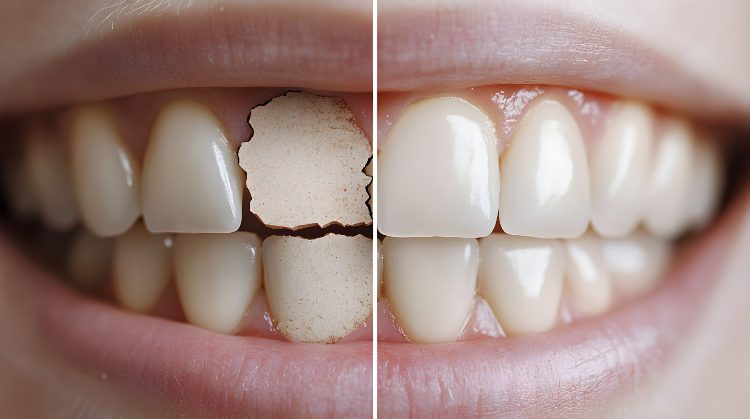
Despite their durability, dentures are not indestructible. Accidental drops, occlusal overload, or inherent material fatigue can lead to fractures or cracks in the denture base or teeth. I’ve also seen fractures occur due to stress concentrations in thin areas, particularly near the midline of the upper denture. A fractured denture not only compromises function but can also injure the soft tissue if sharp edges are exposed.
When patients present with broken dentures, we assess whether the damage is repairable or if a complete remake is warranted. In many cases, acrylic fractures can be repaired chairside or sent to a lab for reinforcement. Metal frameworks in partial dentures are more difficult to repair and often require fabrication of a new appliance. Repeated breakages in the same area may indicate a design flaw or excessive occlusal stress.
Preventing fractures involves using high-impact denture base materials, ensuring even occlusal contacts, and educating patients on proper handling. We often advise patients to brush dentures over a towel or water-filled sink to avoid drop damage. For those with bruxism or strong bite forces, I may recommend a nighttime soft guard or switching to a stronger prosthetic like a hybrid denture.
9. Psychological and Social Discomfort
Beyond the physical challenges, the emotional and psychological impact of wearing dentures is often underestimated. Many patients report feeling self-conscious, especially when laughing or eating in public. The stigma associated with dentures, particularly among younger adults, can lead to anxiety, reduced social interaction, and even depression in severe cases.
Part of my role as a clinician involves counseling patients through this transition. I normalize their experiences and remind them that prosthetic use is more common than they might think. Introducing patients to support groups or testimonials from other denture wearers can also help them feel less isolated. Building trust through open communication is crucial in helping patients regain confidence in their prosthesis.
From a clinical standpoint, we also work to optimize aesthetics and function to support psychological adaptation. Using high-quality denture teeth, natural gingival shading, and lifelike contours helps create a more realistic appearance. Implant-retained options can provide added peace of mind for those worried about slippage or embarrassment. Ultimately, a well-fitting, aesthetically pleasing denture can restore not just smiles, but quality of life.
Final Thoughts
Denture-related problems can range from mild inconveniences to serious health concerns. The key to successful denture therapy lies in regular follow-up, proper hygiene, and open communication between patient and clinician. At Dental Implant Partners in San Francisco, we believe in personalized, comprehensive care that extends beyond the prosthesis itself. If you’re experiencing any of the above issues, I encourage you to seek professional guidance. Together, we can restore both function and confidence with the right treatment strategy.

About Dental Implant Partners
At Dental Implant Partners, addressing complex denture challenges is part of the specialized care we’ve been providing for over 25 years. As the founding prosthetic practice of my career, I’ve built this practice to offer expert, ethical, and personalized prosthodontic care to every patient. Today, our team includes highly trained prosthodontists, general dentists, and hygienists who share a deep commitment to excellence and patient comfort. Our hygienists, who were trained as dentists, have worked with us for many years and are a familiar and trusted presence for our patients.
We offer a full spectrum of restorative dental services, including custom-designed dentures, dental implant restorations, veneers, and comprehensive rehabilitations. Whether you’re experiencing issues with an existing denture or seeking an improved solution through implants or advanced prosthetics, our team is equipped to guide you through the best options for your unique needs. For patients for whom implants are not the best choice, we also specialize in providing beautifully crafted, high-functioning dentures that restore confidence and comfort.
Our practice is located in a stunning suite overlooking the San Francisco Bay, where we focus not only on precision dentistry but on building long-term relationships rooted in trust, transparency, and quality care. If you are dealing with denture problems or are exploring your options for restorative treatment, we invite you to schedule a consultation with us. We love what we do, and we would love to help you restore your smile.