By Dr. Belinda Gregory-Head, DDS – Dental Implant Partners, San Francisco
Cosmetic dentistry has evolved into a specialized field that merges precision science with aesthetic artistry, offering results that extend far beyond superficial beauty. As a practicing dentist in San Francisco, I’ve witnessed the rapid integration of advanced materials, computer-aided design, and biomimetic principles that enable restorations virtually indistinguishable from natural dentition. Today, we approach every case with a multidisciplinary perspective, emphasizing both aesthetics and long-term oral health. This evolution reflects a shift from purely restorative intent toward comprehensive enhancement of smile harmony and function.
The modern patient’s expectations have also transformed dramatically. Individuals no longer seek merely brighter or straighter teeth; they desire smiles that align with their facial proportions, personality, and professional identity. As clinicians, we must balance these desires with anatomical realities, ensuring that enhancements do not compromise biomechanics or oral equilibrium. This requires a deep understanding of occlusal dynamics, periodontal health, and dental materials science, allowing us to craft smiles that are as resilient as they are radiant.
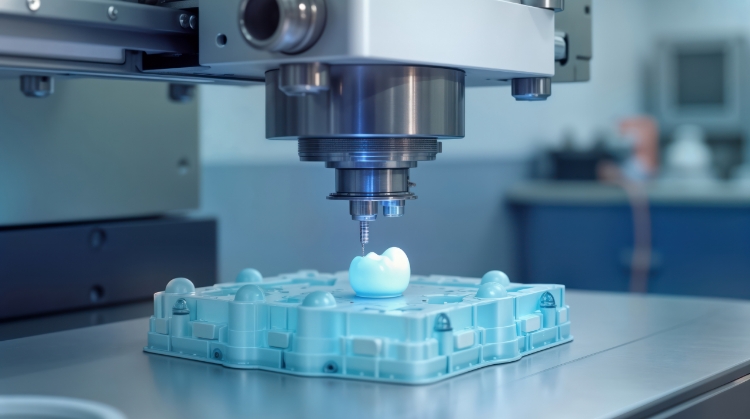
At Dental Implant Partners, we utilize a digitally guided workflow that allows precision planning and predictable outcomes. Through tools such as digital smile design and CBCT imaging, every procedure whether veneers, whitening, or implants begins with a detailed analysis of facial symmetry and occlusal balance. The result is a highly individualized treatment plan that optimizes aesthetic proportions while preserving biological integrity. This philosophy underpins every aspect of cosmetic dentistry in the modern era.

Porcelain Veneers: Precision in Aesthetic Engineering
Porcelain veneers represent the pinnacle of cosmetic restorative dentistry, combining artistic customization with the highest levels of structural and aesthetic precision. These ultra-thin restorations, typically less than 0.5 mm thick, are meticulously bonded to the anterior surfaces of teeth to correct discoloration, alignment irregularities, and morphological imperfections. The optical translucency of advanced ceramics such as lithium disilicate and feldspathic porcelain enables veneers to replicate enamel’s natural depth and vitality, providing patients with lifelike results that seamlessly integrate with surrounding dentition.
The veneer process begins with extensive diagnostic evaluation. Digital photography, 3D scanning, and wax-up modeling are essential for analyzing smile line curvature, incisal edge position, and facial midline alignment. As a clinician, I emphasize minimal-preparation protocols that preserve enamel and ensure superior bonding strength. Enamel bonding, unlike dentin adhesion, provides long-term stability due to its micro-mechanical interlocking structure, making conservative preparation critical for success. Through precise planning, I can achieve both aesthetic balance and biological conservation.
The artistry of veneers lies in their individual customization. Every layer of porcelain is carefully characterized for translucency, opalescence, and surface texture to mimic natural tooth morphology. In collaboration with skilled ceramists, we select appropriate shade gradients and incisal translucencies to complement the patient’s age and complexion. When correctly executed, porcelain veneers can last decades, maintaining their brilliance while enhancing structural resilience, a true testament to the fusion of science and art in cosmetic dentistry.
Teeth Whitening: Controlled Chemistry and Optical Transformation
Teeth whitening, though often perceived as simple, is grounded in intricate biochemical and optical processes. The whitening effect results from the oxidative breakdown of chromogenic molecules embedded within enamel and dentin. Professional systems use hydrogen peroxide or carbamide peroxide in carefully titrated concentrations, ensuring maximal efficacy with minimal enamel dehydration or sensitivity. As a clinician, I evaluate enamel porosity, dietary habits, and previous restorations before selecting the most appropriate whitening protocol to ensure both safety and longevity of results.
In-office whitening provides immediate results through controlled activation of concentrated peroxide gels, often enhanced by light or thermal catalysts. However, these treatments require precise tissue isolation and post-operative desensitization protocols. The use of fluoride varnishes and potassium nitrate gels minimizes transient pulpal inflammation, allowing patients to achieve significant shade improvement without discomfort. In contrast, take-home whitening systems employ custom trays that deliver gradual, sustained results, giving patients flexibility and superior long-term control over brightness.
Despite its cosmetic appeal, whitening has biological limits. Over-bleaching can alter enamel’s refractive index and increase microfracture susceptibility. Thus, professional monitoring is crucial to prevent irreversible damage. Maintenance protocols, including periodic touch-ups and avoidance of chromogenic substances such as coffee or red wine, preserve results effectively. The success of whitening lies in individualized treatment not universal solutions ensuring that outcomes remain natural, luminous, and biologically sound.
Dental Bonding: The Art of Direct Composite Aesthetics
Composite bonding is one of the most technically demanding procedures in cosmetic dentistry, despite being minimally invasive. It involves layering light-cured composite resin onto tooth surfaces to correct chips, gaps, or structural irregularities. Modern nanohybrid composites have evolved to mimic the optical and mechanical properties of enamel, offering remarkable polishability and strength. The challenge lies in replicating natural gradations of translucency, fluorescence, and texture a task that requires both clinical precision and artistic intuition.
The bonding process begins with selective enamel etching, followed by adhesive application and incremental layering of composite material. Each increment is polymerized using calibrated curing lights to minimize polymerization shrinkage and internal stress. Sculpting the material anatomically before full curing allows finer contouring and smoother transitions between natural enamel and restorative resin. The finishing and polishing phase employs progressively finer abrasives to achieve a gloss that mirrors the surface microtexture of real enamel.
Although direct composites are less durable than ceramics, their conservative nature and reparability make them ideal for specific aesthetic challenges. Patients who seek immediate smile enhancements without extensive preparation often benefit from bonding procedures. With proper maintenance and occasional resurfacing, bonded restorations can retain their aesthetic integrity for many years. For clinicians, the beauty of bonding lies in its reversibility and its capacity to restore harmony through minimal intervention.
Dental Implants: The Aesthetic Frontier of Functional Restoration
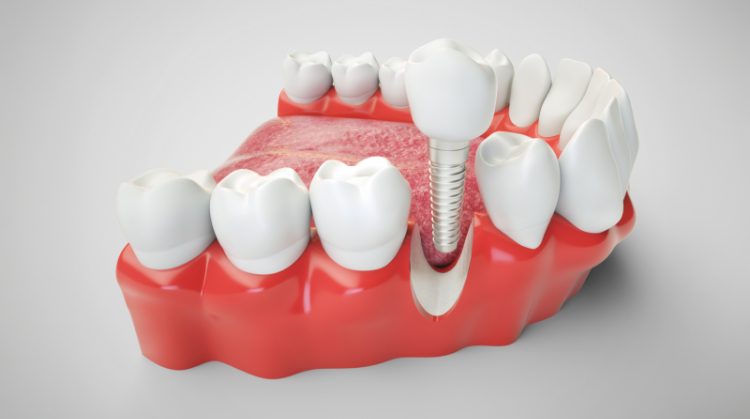
Dental implants represent the most comprehensive fusion of aesthetics, function, and biological integration in modern dentistry. By replacing missing teeth at the root level, implants not only restore masticatory function but also preserve alveolar bone and gingival contour through functional loading. The visual success of implant therapy depends on precise spatial positioning, ideal emergence profiles, and soft tissue management. At Dental Implant Partners, we use guided implant surgery based on digital 3D planning to achieve exact alignment with the patient’s natural dentition.
Each implant case begins with a thorough analysis of bone density, gingival biotype, and occlusal dynamics using CBCT imaging. The integration of surgical and prosthetic planning allows us to optimize implant angulation, preventing future aesthetic complications such as papillary loss or gingival asymmetry. Restoration materials have also advanced considerably; zirconia and titanium abutments layered with lithium disilicate ceramics deliver both structural durability and optical naturalness, creating restorations virtually indistinguishable from adjacent teeth.
Long-term aesthetic success requires careful maintenance of peri-implant tissue health. Microgap design, platform switching, and biologic width preservation are critical factors that influence crestal bone stability and gingival contour. A well-executed implant restoration doesn’t just fill a space it becomes part of the patient’s biology and facial expression. Achieving that harmony between tissue, bone, and prosthetic design is the true art of implant-based aesthetics.
Orthodontic Alignment: Structural Harmony and Aesthetic Synergy
Orthodontics plays a foundational role in aesthetic dentistry, as true beauty in the smile derives from proportional alignment and functional harmony. Modern orthodontic systems, including clear aligners and lingual braces, offer precise tooth movement without compromising appearance during treatment. Proper alignment not only enhances visual symmetry but also redistributes occlusal forces evenly, preventing premature wear and temporomandibular joint dysfunction key considerations for long-term smile stability.
Clear aligners utilize sequential 3D-printed trays that apply calibrated force vectors to reposition teeth incrementally. These systems, driven by digital modeling, allow for customized control over tooth inclination, rotation, and intrusion. From a cosmetic standpoint, aligner therapy can be integrated with restorative procedures such as veneers or implants for a phased smile transformation. The result is not simply straight teeth, but an optimized occlusal scheme that enhances facial balance and phonetic function.
Beyond mechanics, orthodontic treatment influences the entire facial aesthetic. By improving axial tooth inclination and lip support, orthodontic correction enhances perioral soft tissue contours and smile dynamics. This integration of orthodontics into comprehensive cosmetic planning allows us to design smiles that are not only beautiful in isolation but harmonious within the context of the patient’s facial anatomy.

Gum Contouring and Periodontal Aesthetics
The gingival framework defines the architecture of the smile, serving as the visual border between teeth and facial expression. Even when teeth are perfectly proportioned, irregular gum lines or excessive gingival display can detract from harmony. Soft tissue recontouring allows precise adjustment of gingival margins to create symmetry and appropriate tooth length-to-width ratios. Utilizing diode or erbium lasers, we achieve fine tissue sculpting with minimal bleeding, reduced postoperative discomfort, and rapid epithelial regeneration.
The biological principle guiding contouring is respect for the supracrestal tissue attachment to the critical zone maintaining periodontal stability. Over-resection can violate this biological width, leading to chronic inflammation or recession. Therefore, every aesthetic modification must be preceded by radiographic evaluation to determine bone crest position and tissue biotype. In cases of excessive gingival display, surgical crown lengthening or orthodontic intrusion may be combined to achieve ideal esthetic proportions.
Periodontal aesthetics also involve reconstructive procedures for recession or volume loss. Connective tissue grafts, platelet-rich fibrin (PRF), and collagen matrices are used to restore gingival contours, ensuring smooth transitions and natural root coverage. The ultimate goal is a harmonious integration of teeth and soft tissues, a result that reflects health, balance, and natural beauty.
Full-Mouth Rehabilitation: Restoring Form, Function, and Beauty
Full-mouth rehabilitation represents the apex of restorative and aesthetic dentistry, addressing complex cases of attrition, malocclusion, and multi-unit failure. This process involves re-establishing proper occlusal vertical dimension, phonetics, and smile line through comprehensive restorative planning. Each tooth is evaluated for structure, endodontic integrity, and biomechanical alignment before inclusion in the global treatment design. Digital occlusal analysis and articulator-based simulations guide every phase of the reconstruction.
The process often integrates multiple modalities, veneers, crowns, implants, and occasionally orthodontic pre-alignment. The key challenge is achieving equilibrium among aesthetics, function, and longevity. We meticulously calibrate cusp anatomy, contact points, and occlusal pathways to harmonize masticatory forces. Establishing a stable centric relation and balanced occlusion is fundamental to preventing postoperative muscle or joint strain.
The materials used in rehabilitation such as monolithic zirconia or layered lithium disilicate are chosen for both esthetic translucency and load-bearing performance. When executed correctly, full-mouth rehabilitation doesn’t just rebuild a smile; it restores physiologic harmony to the entire stomatognathic system. It is dentistry’s ultimate expression of art grounded in biomechanics.
Digital Smile Design and Predictive Aesthetic Planning
Digital Smile Design (DSD) has revolutionized aesthetic dentistry by transforming subjective artistry into quantifiable precision. Through high-resolution imaging, facial analysis, and 3D modeling, we can simulate the final smile before a single procedure is initiated. This technology aligns patient expectations with clinical possibilities, enhancing communication between dentist, laboratory, and patient while reducing treatment variability.
The process begins with calibrated photographs and facial scans that define key reference lines interpupillary, incisal, and midline. These are overlaid digitally to assess tooth proportion, gingival zeniths, and lip dynamics. By manipulating these variables in virtual space, we create a digital blueprint that guides every subsequent clinical phase. The mock-up phase allows patients to “test-drive” their new smile in real time, ensuring both aesthetic and emotional satisfaction.
Beyond visualization, DSD enables data integration across prosthodontics, orthodontics, and implant planning. Advanced AI-driven modeling can now predict tissue response, occlusal stress distribution, and even speech adaptation post-restoration. This convergence of technology and biology epitomizes the future of aesthetic dentistry predictable, personalized, and performance-based.
Maintenance and Longevity of Cosmetic Restorations
The durability of cosmetic dental work depends as much on post-treatment maintenance as on the initial craftsmanship. Regular follow-up visits, professional cleanings, and periodic imaging ensure early detection of any structural or aesthetic changes. I emphasize occlusal monitoring and nightguard use, especially for patients with bruxism or parafunctional habits, as these forces can jeopardize ceramic integrity and periodontal stability over time.
Maintenance protocols extend beyond clinical visits. Patients must understand the importance of proper hygiene, non-abrasive toothpaste, and avoidance of acidic or chromogenic substances that compromise both enamel and restorations. For bonded composites and veneers, periodic re-polishing maintains gloss and minimizes surface wear. Similarly, implants require meticulous peri-implant cleaning to prevent biofilm accumulation and bone resorption.
Ultimately, the true measure of success in cosmetic dentistry lies in how restorations age with the patient. The ideal smile should not only maintain its luster but also evolve gracefully, adapting to subtle facial changes over time. When executed and maintained correctly, aesthetic restorations can remain indistinguishable from natural dentition for decades.
Integrating Art, Science, and Human Connection
Cosmetic dentistry is the artful convergence of biology, engineering, and emotional intelligence. Each procedure, whether simple whitening or full-mouth reconstruction, reflects a profound understanding of the patient’s individuality and the natural laws of form and proportion. As a clinician, I believe the essence of aesthetic dentistry lies not merely in transformation but in restoration bringing harmony between structure, function, and personality.
At Dental Implant Partners, we approach each case as a collaboration between patient and clinician, guided by evidence-based protocols and artistic insight. Through meticulous design, precision technology, and compassionate communication, we strive to deliver smiles that embody authenticity and endurance. Ultimately, a beautiful smile is not manufactured, it is revealed, one precise restoration at a time.

About Dental Implant Partners
At Dental Implant Partners, our philosophy is built upon decades of clinical experience, advanced training, and a deep passion for restoring smiles with precision and integrity. For over 25 years, I have had the privilege of leading this prosthetic practice in San Francisco, surrounded by a talented team of prosthodontists, general dentists, and highly skilled hygienists who share my dedication to excellence. Every member of our team is committed to providing individualized, comprehensive care that integrates both aesthetic and functional principles to achieve results that are not only beautiful but enduring.
Our expertise spans the full spectrum of restorative and cosmetic dentistry. From the artistry of porcelain veneers to the structural innovation of dental implants, we design treatment plans that combine scientific precision with aesthetic harmony. For patients who are not ideal candidates for implants, we are also experts in crafting natural, comfortable dentures that restore both confidence and function. Our goal is to ensure that every patient receives care that suits their unique oral anatomy, lifestyle, and long-term health goals. The environment we have created reflects our philosophy: a calm, elegant suite overlooking the San Francisco Bay where advanced dentistry meets personalized attention.
We truly value the relationships we build with our patients and take pride in being known for our careful, ethical, and compassionate approach to care. Every smile we restore is a collaboration, grounded in trust and meticulous attention to detail. If you are considering cosmetic or restorative dentistry, we invite you to visit Dental Implant Partners and experience how our expertise and passion can help you achieve the confident, healthy smile you deserve. Schedule a consultation today and let us partner with you in transforming your oral health and aesthetic vision.