
By Dr. Belinda Gregory-Head, DDS | Dental Implant Partners, San Francisco
Modern dentistry offers a wide array of restorative solutions to rescue and rehabilitate teeth that have suffered trauma, decay, or structural compromise. At Dental Implant Partners, our approach is deeply rooted in evidence-based techniques, biomaterials innovation, and a holistic understanding of oral-systemic health. In this article, I’ll walk you through restorative dental treatments that I routinely use to help patients regain full function, esthetics, and long-term dental stability.

Dental Fillings: Precision in Conservative Restoration
Dental fillings remain one of the most common yet essential restorative procedures in clinical practice. When decay breaches the enamel and penetrates into the dentin, it becomes crucial to arrest its progression and restore lost tooth structure. The key to successful outcomes lies not just in removal of decay but in using bioactive materials that mimic the natural tooth and protect against microleakage and recurrent decay.
In my practice, I prefer to use composite resins and glass ionomer cements over traditional amalgam for several reasons. These materials offer superior adhesion, esthetics, and in some cases, fluoride release. More importantly, with advancements in bonding technology, we’re able to preserve more natural tooth structure using minimally invasive preparations. This approach honors the principle of biomimicry and reduces the risk of future fractures.
Furthermore, I assess each patient’s occlusion and dietary habits before finalizing the material choice. For posterior teeth subject to high masticatory forces, nanohybrid composites with high flexural strength are essential. In pediatric or geriatric patients, where caries risk is high and moisture control challenging, glass ionomer may be preferable due to its chemical bonding and fluoride benefits. Each filling is tailored, not standardized.
Dental Crowns: Full-Coverage Protection for Compromised Teeth
Dental crowns are often indicated when a tooth has lost more than 50% of its structure, whether due to decay, fracture, or after root canal therapy. A crown encapsulates the entire visible surface of a tooth, restoring its shape, strength, and function. The success of a crown lies in precision, both in preparation and in material selection.
I typically recommend zirconia or lithium disilicate (E.max) crowns for their biocompatibility, strength, and esthetics. Zirconia is preferable in posterior regions due to its load-bearing capability, while E.max offers superior translucency for anterior restorations. What many patients don’t realize is that crown longevity hinges on a careful balance between occlusal forces, periodontal health, and marginal adaptation.
Before placing a crown, I use digital impression technology and CAD/CAM workflows for maximum precision. The interim crown phase is equally vital as it protects the tooth while allowing for soft tissue healing and occlusal refinement. With proper care, crowns can last 10 to 15 years or more, and I emphasize routine monitoring for marginal integrity and adjacent tooth stability.
Root Canal Therapy: Salvaging the Natural Tooth from Within
When decay or trauma extends into the dental pulp, root canal therapy (RCT) becomes the last line of defense before extraction. This endodontic procedure involves removing the infected or necrotic pulp tissue, disinfecting the canals, and sealing them to prevent reinfection. RCT allows us to preserve the tooth’s structural integrity and maintain occlusal harmony.
Using contemporary nickel-titanium rotary instruments, apex locators, and three-dimensional irrigation systems like ultrasonic activation or negative-pressure irrigation, we achieve a higher level of canal debridement than in the past. I also incorporate cone-beam CT imaging in complex cases to visualize canal morphology in three dimensions, especially in molars with atypical anatomy.
Once endodontic therapy is complete, coronal restoration is critical. A post and core buildup may be necessary if there’s insufficient tooth structure, followed by a full-coverage crown to protect the brittle, non-vital tooth. RCT has a success rate exceeding 90% when protocols are followed meticulously, and I consider it a cornerstone of conservative dental preservation.
Inlays and Onlays: Partial Coverage, Maximum Conservation
Inlays and onlays offer a refined restorative option when a tooth is too damaged for a filling but doesn’t yet require a full crown. These indirect restorations, crafted in a dental lab or via chairside CAD/CAM, fit precisely into or onto the prepared tooth surface and are bonded into place using resin cement.
Unlike traditional fillings, inlays and onlays do not shrink during curing and offer a better marginal seal. I often recommend these for patients with fractured cusps or large interproximal restorations that would otherwise compromise tooth strength. The conservative nature of these restorations allows us to preserve more enamel, which enhances bond strength and long-term viability.
I routinely use E.max ceramic or resin-based inlays and onlays, depending on location and bite dynamics. Proper case selection and occlusal analysis are imperative. These restorations distribute functional stress more evenly and are less likely to result in crack propagation compared to large composite buildups, making them ideal for structurally compromised posterior teeth.
Dental Bonding: Esthetic Repair with Functional Value
Dental bonding is often underestimated in its potential to restore both esthetics and function, especially in anterior teeth. Utilizing high-strength composite resins, we can rebuild chipped, fractured, or abraded teeth with minimally invasive techniques that require little to no enamel removal.
In my practice, bonding is not a one-size-fits-all approach. I layer multiple composite shades, use anatomical matrices, and contour the material with fine burs to mimic natural tooth morphology and light reflection. Bonding can be a highly effective solution for small to medium restorations, especially in younger patients or those not ready for veneers or crowns.
The key to longevity with bonding lies in isolation, preparation, and polishing. I use total-etch or selective-etch techniques depending on the substrate and always finish with high-luster polishing systems that reduce plaque adherence. While not as durable as ceramics, bonding can last five to seven years or more with proper care and is easily repairable, making it a strategic tool in restorative planning.

Veneers: Esthetic Rehabilitation with Structural Reinforcement
Porcelain veneers are often associated with cosmetic enhancement, but they also serve a restorative function when used to reinforce weakened or eroded anterior teeth. Veneers can correct shape, alignment, and minor structural deficiencies while preserving significant amounts of enamel compared to full crowns.
When preparing teeth for veneers, I follow a minimal-prep or no-prep philosophy whenever possible. Preserving enamel enhances the bond strength of the veneer, as resin adhesives bond more predictably to enamel than dentin. Each case is carefully waxed up and mock-tested to ensure the final esthetic and functional outcome aligns with the patient’s occlusion and phonetics.
Modern materials like feldspathic porcelain or lithium disilicate allow for ultra-thin veneers that retain translucency without compromising strength. Veneers can be an excellent option for teeth with incisal wear, enamel hypoplasia, or minor fractures, offering both protection and a dramatic improvement in smile design.
Post and Core Rebuilds: Foundation for Restoration
When a tooth has been structurally compromised, often following root canal therapy or trauma, it may require a post and core to provide adequate support for a crown. A post is placed within the root canal to anchor the buildup material, which reconstructs the missing coronal portion of the tooth.
I use fiber-reinforced composite posts in most cases due to their favorable modulus of elasticity, which is closer to natural dentin. This compatibility reduces the risk of root fracture compared to metal posts. The core is then sculpted using dual-cure composite or resin-modified glass ionomer to recreate an ideal form for crown preparation.
This procedure demands precision. The post must be passive-fitting to avoid stress within the root and sealed with resin cement under rubber dam isolation. The coronal seal is critical to prevent bacterial ingress, and I always evaluate the ferrule effect, or adequate remaining tooth structure above the gum line, to ensure long-term success of the final crown.
Dental Implants: Replacing the Irretrievable Tooth
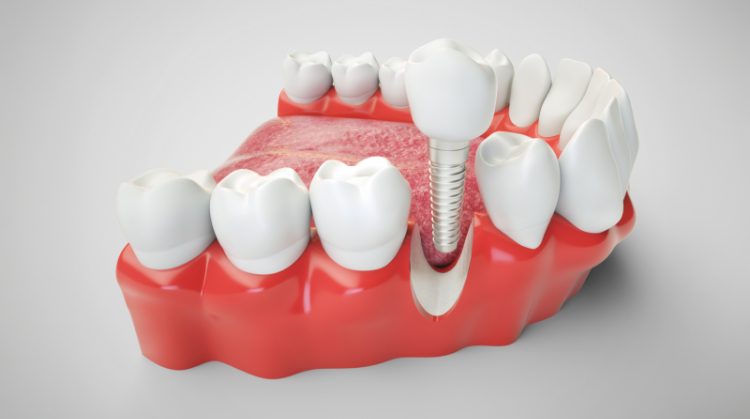
When a tooth is non-restorable due to root fracture, vertical cracks, or extensive bone loss, a dental implant offers the most stable and functional replacement. Unlike bridges, implants do not require altering adjacent teeth and stimulate bone through osseointegration, preserving the alveolar ridge.
At Dental Implant Partners, we perform comprehensive diagnostics including CBCT imaging, periodontal assessment, and surgical planning to ensure optimal implant placement. In cases where immediate extraction and implant placement are viable, I use guided surgical stents to ensure precise angulation and depth. Bone grafting or sinus augmentation may be required in deficient sites.
Implants can support single crowns, bridges, or even full-arch prostheses. The prosthetic phase involves digital impressions and CAD/CAM-milled restorations for excellent esthetics and occlusal fit. While not technically a tooth-saving treatment, implants represent a restorative solution that preserves oral architecture and functionality long-term after tooth loss.
Periodontal Surgery with Regenerative Techniques
Advanced periodontal disease can result in tooth mobility, root exposure, and loss of attachment apparatus. In such cases, regenerative periodontal surgery can restore support and function to teeth that might otherwise be deemed hopeless. I frequently employ guided tissue regeneration and bone grafting techniques to salvage teeth with vertical bone defects.
Using membranes, enamel matrix derivatives, and particulate allografts, we can stimulate the body’s natural healing and promote regeneration of the periodontal ligament, cementum, and alveolar bone. The flap design and decontamination process must be meticulous to minimize bacterial contamination and optimize healing outcomes.
These procedures are most successful when combined with strict maintenance therapy and behavioral modification, including smoking cessation and improved oral hygiene. While results vary depending on defect morphology and patient compliance, regenerative surgery has allowed many of my patients to retain teeth once considered nonviable.
Occlusal Rehabilitation and Bite Adjustment
Sometimes, teeth become damaged not from decay or trauma, but from chronic occlusal overload, often seen in bruxism or malocclusion. In such cases, restorative treatment alone is insufficient without addressing the underlying functional disharmony. Occlusal rehabilitation involves adjusting the bite or rebuilding it entirely to establish a stable and balanced occlusion.
I use diagnostic wax-ups, mounted study casts, and digital jaw tracking to assess and plan full-mouth rehabilitation in severe cases. In moderate cases, occlusal splints or selective enameloplasty may suffice. Restorations placed in a compromised bite will often fail prematurely, so occlusal harmony is paramount.
Post-restorative adjustments and long-term monitoring are key. I emphasize nighttime appliance therapy for bruxers and conduct regular occlusal evaluations. By combining structural restoration with functional rebalancing, we not only save damaged teeth but extend the longevity of the entire dentition.
Final Thoughts
Restorative dentistry is as much about strategy as it is about materials and techniques. Saving a tooth requires more than simply filling a hole or placing a crown. It demands comprehensive diagnosis, technical precision, and individualized care planning. At Dental Implant Partners, I strive to combine cutting-edge science with clinical artistry to preserve what nature gave us for as long as possible.
If you’re concerned about a damaged tooth or are unsure which restorative option is best for your condition, I encourage you to seek a consultation. Saving teeth isn’t just possible. It’s my passion.

About Dental Implant Partners
At Dental Implant Partners, restoring damaged teeth is not just a service we offer, it is central to who we are and what we do every day. For over 25 years, I have built this practice around the core belief that every patient deserves the highest level of restorative care, whether that means a simple filling or a full-mouth rehabilitation. Today, our team includes an exceptional group of prosthodontists, general dentists, and hygienists who share a deep commitment to clinical excellence, precision, and patient-centered outcomes.
Our hygienists, who were all trained as dentists before joining our practice, bring a rare depth of knowledge and experience to every visit. Patients regularly tell us how much they appreciate their skill, attention to detail, and the familiar continuity of care they provide. From advanced dental implant restorations to beautifully crafted dentures and veneers, we take pride in tailoring treatment to each patient’s needs while ensuring comfort, esthetics, and function. Our approach is always careful, ethical, and grounded in long-term dental health.
Located in a stunning suite overlooking the San Francisco Bay, our practice is designed to make every appointment feel calm, welcoming, and focused entirely on your wellbeing. If you are facing a dental issue or want expert advice on how best to restore your smile, I invite you to schedule a consultation with us. We truly love what we do, and we would be honored to help you regain confidence, comfort, and lasting dental health.