By Dr. Belinda Gregory-Head, DDS, Dental Implant Partners, San Francisco
As a prosthodontic specialist at Dental Implant Partners in San Francisco, I often meet patients who are unsure whether to choose All-on-Four dental implants or removable dentures for full arch rehabilitation. These are two of the most common solutions for patients with extensive tooth loss, yet they represent drastically different approaches. Both have their merits, but choosing the right one hinges on several clinical and lifestyle considerations that must be tailored to the individual.
The All-on-Four concept has revolutionized implant dentistry by providing a fixed, full-arch restoration supported by only four strategically placed implants. It offers immediate function, stability, and preservation of the jawbone, among other advantages. Conversely, removable dentures, though traditional, remain a viable choice for many, especially in scenarios involving significant anatomical limitations, financial constraints, or health issues affecting implant candidacy.
In this article, I will guide you through an expert-level comparison of All-on-Four implants and removable dentures. Drawing from over two decades of experience in implantology, I will explore their biomechanical design, surgical protocols, long-term prognosis, and overall impact on quality of life. This is not a superficial overview; rather, it’s an in-depth analysis designed for those who want to understand the clinical implications of their decision.

Biomechanics and Structural Design
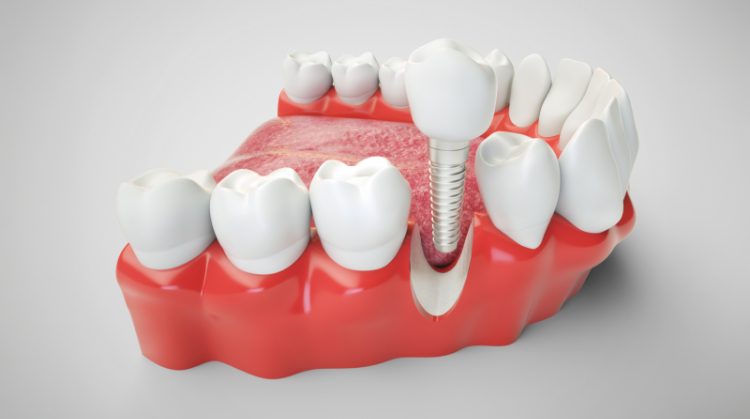
The biomechanical rationale behind the All-on-Four technique lies in the strategic angulation of the posterior implants, which maximizes anterior-posterior spread and provides strong support with fewer implants. By tilting the rear implants up to 45 degrees and anchoring them into dense cortical bone, we achieve remarkable load distribution even in atrophic jaws. The prosthesis is then screw-retained on a titanium framework, offering exceptional stability during function.
In contrast, removable dentures rely entirely on mucosal and muscular support, lacking any osseointegration. The prosthesis rests on the alveolar ridge and is held in place with suction or adhesive, which can often be compromised by resorption or salivary changes. As a result, force distribution is uneven, and patients often report discomfort due to pressure points and instability during mastication.
From an engineering standpoint, the All-on-Four approach mimics the natural function of teeth more accurately. By anchoring directly to the bone, forces are transmitted through the implant and into the surrounding cortical structures, preserving bone and maintaining proprioception to some extent. Dentures, on the other hand, offer minimal feedback and depend on compensatory neuromuscular adaptation, which may be inadequate in elderly or medically compromised patients.
Surgical Complexity and Healing Timeline
All-on-Four dental implant surgery is a highly technique-sensitive procedure requiring precise planning through CBCT imaging, virtual prosthetic design, and often guided surgery. In many cases, I utilize flapless protocols to reduce morbidity and promote faster healing. The beauty of this approach is that patients can receive a fixed provisional prosthesis on the same day, a process we refer to as immediate loading.
Removable dentures do not require surgery unless preceded by extractions or pre-prosthetic procedures like alveoloplasty. In fact, many dentures are fabricated within weeks of initial impressions, allowing for rapid tooth replacement. However, this simplicity comes at the cost of long-term performance and often requires future relining or remaking due to continuous ridge resorption.
It’s worth noting that while the All-on-Four procedure is more invasive up front, it often results in fewer complications over time. Healing is predictable, especially when performed under proper aseptic conditions and with careful case selection. The majority of my patients resume normal activity within 48 to 72 hours, with minimal discomfort thanks to modern anesthetic protocols and post-operative care.
Bone Preservation and Anatomical Considerations
One of the most compelling advantages of All-on-Four implants is their ability to preserve the jawbone. The mechanical loading of the implants stimulates the surrounding bone, maintaining density and volume through Wolff’s law. Over time, this prevents the sunken facial appearance associated with edentulism, a particularly important aesthetic factor for many of my patients.
Conversely, dentures accelerate alveolar resorption. Without mechanical stimulation, the bone begins to atrophy, particularly in the posterior mandible. This not only compromises future prosthetic options but also affects facial support and leads to an aged appearance. Lower denture wearers, in particular, often struggle with retention as the ridge flattens.
For patients with significant bone loss, the All-on-Four protocol may actually eliminate the need for bone grafting. By tilting posterior implants, we can often avoid the sinus cavities and mandibular nerve, even in severely atrophic cases. This reduces surgical time and cost, and broadens eligibility for patients who were previously told they weren’t candidates for implants.
Aesthetic Outcomes and Facial Support
Aesthetic outcomes with All-on-Four restorations are significantly superior due to the precise prosthetic planning and high-quality materials used. At Dental Implant Partners, we employ digital smile design to ensure the final prosthesis not only restores function but harmonizes with the patient’s facial structure. The fixed nature of the restoration allows for optimal lip support and a natural gingival interface that mimics real teeth.
Removable dentures, especially conventional ones, have limited customization capabilities. While advances in digital denture workflows have improved aesthetics, the outcome is still highly dependent on the skill of the lab technician and the anatomical limitations of the patient’s ridge. Poor retention can also lead to shifting during speech or laughter, undermining the patient’s confidence.
Moreover, with All-on-Four, we can avoid the bulky palatal coverage required by upper dentures, which many patients find intrusive. This improves phonetics and taste sensation, contributing to a more natural oral environment. The psychological benefit of having a restoration that doesn’t move or come out is often underappreciated but plays a vital role in patient satisfaction.
Masticatory Efficiency and Diet
One of the first things patients notice after transitioning to All-on-Four is the ability to eat with confidence again. The rigid fixation of the prosthesis allows for a bite force that approximates natural dentition, enabling consumption of harder foods like nuts, meats, and raw vegetables. This contributes not only to improved nutrition but also restores a sense of normalcy in daily life.
Removable dentures, unfortunately, provide significantly less bite force, typically only 20 to 25 percent of what a natural dentition allows. As a result, patients often resort to soft, processed foods that may be nutritionally deficient. Chewing fatigue is common, and social situations involving meals can become anxiety-provoking.
In my practice, I’ve observed that patients with All-on-Four implants report far greater dietary freedom and satisfaction. They enjoy meals without the worry of prosthesis dislodgement, and many even forget they’re not using their natural teeth. This improved masticatory performance also benefits digestion, as food is broken down more efficiently in the oral phase.

Maintenance and Long-Term Care
While All-on-Four implants are fixed, they do require professional maintenance and hygiene vigilance. I recommend biannual visits for peri-implant cleaning, radiographic evaluation, and occasional tightening of prosthetic screws if needed. Patients must also adopt an implant-specific oral hygiene regimen, which includes water flossers and interproximal brushes.
Removable dentures are easier to clean at home but require daily removal and soaking. Over time, the acrylic base can harbor biofilm and fungal infections like candidiasis if not cleaned properly. Additionally, denture wearers often need relining or replacement every 5 to 7 years due to changes in the supporting tissues.
In terms of durability, the All-on-Four system has shown remarkable longevity in peer-reviewed studies, with success rates exceeding 95 percent over a 10-year period when properly maintained. The titanium implants can last a lifetime, while the prosthesis may need replacement every 10 to 15 years depending on wear. With dentures, however, continual maintenance and replacement are expected, which can accumulate significant costs over time.
Psychological and Social Impact
One of the most overlooked aspects in prosthetic treatment planning is the psychological well-being of the patient. Fixed restorations like All-on-Four provide an immense confidence boost, allowing patients to laugh, speak, and smile without fear of prosthetic movement. This has a profound effect on self-esteem, particularly for individuals who have been socially withdrawn due to edentulism.
Removable dentures, on the other hand, can be a source of embarrassment, especially if they click, move, or fall out during speech. Many of my patients have reported avoiding social events, dating, or public speaking before transitioning to implants. The daily reminder of tooth loss each time the denture is removed can also be emotionally taxing.
In contrast, All-on-Four implants feel like a permanent part of the body. This psychological integration is crucial in restoring not just oral function, but a sense of identity and self-worth. As a clinician, witnessing this transformation is one of the most rewarding aspects of my profession.
Cost Analysis and Insurance Considerations
There’s no denying that All-on-Four implants involve a higher initial cost compared to dentures. The surgical procedure, materials, and technology involved contribute to this. However, when we factor in the long-term benefits, including reduced need for replacements, fewer complications, and better overall health, the return on investment becomes evident.
Removable dentures are less expensive up front, which makes them more accessible. However, recurring costs such as relines, adjustments, adhesives, and replacements every few years can add up. Not to mention the indirect costs of poor nutrition, social withdrawal, and frequent repairs due to fractures or wear.
Insurance coverage varies significantly between providers. Many dental plans cover dentures but exclude implant treatments. However, patients should explore medical insurance options and third-party financing programs. At our clinic, we offer comprehensive financial consultations to help patients make informed decisions based on their long-term goals and resources.
Candidacy and Risk Factors
Not all patients are candidates for All-on-Four, despite its versatility. Patients with uncontrolled diabetes, heavy smoking habits, or untreated periodontal disease may face increased risks of implant failure. Proper medical evaluation, risk stratification, and patient compliance are crucial components of successful outcomes.
Removable dentures offer a broader candidacy range, including patients who are not healthy enough to undergo surgery or who have extreme bone loss that precludes immediate implant placement. However, this inclusivity comes with the trade-offs discussed earlier in terms of function and aesthetics.
In my practice, I employ a thorough diagnostic protocol involving cone beam CT imaging, intraoral scanning, and systemic health evaluation to determine candidacy. For borderline cases, we may consider pre-implant therapies like bone regeneration or smoking cessation programs to optimize success. It is essential to customize the treatment pathway rather than applying a one-size-fits-all model.
Final Thoughts: Making the Right Choice
Choosing between All-on-Four dental implants and removable dentures is not a decision to be taken lightly. As a clinician, my role is to educate and guide, not to impose. The right solution must align with the patient’s anatomy, health status, financial considerations, and, perhaps most importantly, their personal values and lifestyle.
From a clinical standpoint, All-on-Four offers unparalleled advantages in stability, function, and long-term bone preservation. It is the gold standard for full-arch rehabilitation when conditions allow. However, I acknowledge that for some patients, dentures remain a practical and necessary solution, particularly as a transitional or palliative measure.
Ultimately, the goal is to restore dignity, health, and confidence. Whether that means a fixed hybrid prosthesis or a well-made removable denture, the key lies in individualized care. As part of the team at Dental Implant Partners, I remain committed to delivering evidence-based, compassionate treatment that empowers patients to smile again with confidence.
Restore Your Smile With Dental Implant Partners
At Dental Implant Partners, this work is not just our profession. It is our passion. For over 25 years, I have had the privilege of building a practice rooted in precision, ethics, and a deep commitment to patient-centered care. What began as my solo prosthodontic practice has grown into a collaborative team of highly skilled prosthodontists, general dentists, and hygienists. Many of our hygienists were originally trained as dentists and have been with us for years. Their expertise and warmth have made them a favorite part of the experience for many of our patients.
We specialize in advanced restorative care, including both All-on-Four dental implants and removable dentures, as discussed in this article. Whether you are a candidate for a full arch fixed solution or require a well-crafted removable option, our team provides comprehensive treatment planning tailored to your individual needs. We are deeply experienced in complex rehabilitations and equally dedicated to the finest details of general dental care, from veneers and crowns to routine maintenance. For patients for whom implants are not the right choice, we pride ourselves on delivering dentures that are both functional and aesthetically pleasing.
Our philosophy has always been centered around long-term relationships, careful diagnosis, and high-quality outcomes. The work we do restores health, function, and confidence, which is immensely fulfilling for every member of our team. We welcome you to visit our beautiful office overlooking the San Francisco Bay to see how we can help restore your smile. If you are considering All-on-Four implants or evaluating the best option for your oral health, I encourage you to schedule a consultation with us. We would love to meet you and be part of your journey to renewed confidence and wellness.