
By Dr. Belinda Gregory-Head, DDS – Dental Implant Partners, San Francisco
As a practicing dentist with years of experience in restorative and cosmetic dental procedures, I’ve seen firsthand the transformative power of modern cosmetic dentistry. It is no longer just about aesthetics; it is about health, function, and confidence. Advances in materials, digital imaging, and minimally invasive techniques have elevated cosmetic dentistry from a luxury to a widely accessible form of comprehensive care. Patients come to my clinic not only seeking a more beautiful smile but also improved oral health outcomes and long-lasting results.
What makes cosmetic dentistry so effective today is the integration of both technical precision and artistic sensibility. Every procedure I plan, whether it is a single tooth veneer or a full-mouth rehabilitation, requires careful analysis of facial symmetry, dental proportions, occlusion (bite dynamics), and soft tissue harmony. This multidisciplinary approach ensures that the outcome is not only beautiful but also biologically sound and functional. The ultimate goal is to enhance a patient’s smile in a way that complements their facial features and feels completely natural.
In this guide, I will walk you through the modern world of cosmetic dentistry from a clinical standpoint. Whether you’re exploring subtle improvements or complete smile makeovers, it is crucial to understand the range of options available, how they are planned and executed, and what results to realistically expect. As with any medical procedure, informed consent and education are essential, and this article is designed to empower you with that knowledge.

Smile Design: The Foundation of Cosmetic Planning
Smile design is where every cosmetic case begins. This is not merely an aesthetic consultation; it is an in-depth process that involves the collection and analysis of data using digital photography, facial scans, intraoral scanners, and diagnostic models. In our practice, we employ Digital Smile Design (DSD) protocols to simulate outcomes and guide treatment plans. This software allows us to visualize changes before any irreversible work is done, significantly improving both predictability and patient satisfaction.
Three primary components guide smile design: facial features, dental midline, and gingival architecture. A comprehensive evaluation includes assessing the interpupillary line, lip dynamics during rest and smiling, and the degree of incisal edge display. These factors determine how your teeth should be shaped and positioned. Even minor discrepancies in symmetry or proportion can affect the harmony of your smile, which is why we meticulously analyze these parameters during planning.
Additionally, bite alignment (occlusion) must be evaluated to ensure functional harmony. A beautiful smile that compromises the bite will lead to long-term issues like temporomandibular joint (TMJ) dysfunction or accelerated wear. We often incorporate occlusal analysis tools such as T-Scan or mounted diagnostic casts to assess how teeth contact and move during function. Smile design is both science and art, serving as the strategic roadmap that guides every cosmetic enhancement that follows.
Teeth Whitening: Beyond Over-the-Counter Solutions
Professional teeth whitening remains one of the most requested cosmetic treatments, but there is a vast difference between in-office whitening systems and drugstore kits. At Dental Implant Partners, we use high-concentration hydrogen peroxide or carbamide peroxide gels activated by specialized light or laser systems to accelerate the whitening process safely and effectively. Unlike over-the-counter strips, these formulations penetrate deeper into the enamel, removing both intrinsic and extrinsic stains.
One of the primary advantages of professional whitening is control. As a clinician, I can adjust the strength and duration of the whitening process to match the patient’s enamel thickness, tooth sensitivity, and aesthetic goals. Patients with fluorosis, tetracycline staining, or translucent enamel require modified protocols to avoid over-bleaching or producing a chalky appearance. Pre-whitening desensitizing treatments are often applied, and post-whitening maintenance plans are customized for each patient.
Another often overlooked aspect is diagnosing the cause of discoloration. Not all stains are responsive to bleaching. For example, staining caused by enamel hypoplasia or internal tooth trauma may require restorative coverage such as veneers or crowns. For this reason, teeth whitening should never be treated as a standalone cosmetic procedure but rather as part of a holistic aesthetic strategy. Proper diagnostics and tailored applications ensure both safety and success.
Porcelain Veneers: Precision Craftsmanship for a Flawless Smile
Porcelain veneers are thin, custom-fabricated ceramic shells that are bonded to the front surface of teeth to alter their color, shape, size, or length. In skilled hands, veneers can create dramatic improvements with minimal removal of natural tooth structure. At our practice, we work closely with master ceramists who hand-layer feldspathic porcelain or lithium disilicate to achieve lifelike translucency and optical depth.
The preparation process is meticulous and guided by wax-ups and mock-ups that preview the final design. Tooth reduction is often minimal, typically about 0.3 to 0.7 mm, and we take extra care to preserve enamel whenever possible since it provides the strongest bond to porcelain. Digital impressions are captured to fabricate restorations with micron-level precision using CAD/CAM systems or traditional analog techniques, depending on the case.
Once the veneers are fabricated, we perform a try-in session using temporary bonding agents to evaluate aesthetics, phonetics, and function. Only after the patient approves do we proceed with final bonding using resin-based cements. Proper bonding technique is critical for longevity. We isolate the field, etch both the tooth and veneer, and cure in controlled conditions to prevent debonding or microleakage. Veneers can last 10 to 20 years with proper care and dramatically enhance a patient’s smile.
Invisalign and Clear Aligners: Functional Aesthetics
Orthodontics has become an integral part of cosmetic dentistry, particularly with the advent of clear aligner systems like Invisalign. In my practice, we use aligners not just to straighten teeth but to improve smile symmetry, correct arch forms, and set the foundation for more complex restorative procedures. Aligners are especially valuable in pre-prosthetic planning because moving teeth into ideal positions before placing veneers or crowns ensures more conservative and predictable outcomes.
Each Invisalign case begins with a 3D scan of the teeth and a digital treatment plan called a ClinCheck. This simulation shows each stage of tooth movement and allows for precise control over rotation, intrusion, and extrusion. Clear aligners are custom-fabricated and replaced every one to two weeks, depending on the case complexity. Attachments, which are small tooth-colored buttons, may be added to enhance movement, and elastics are sometimes used for bite correction.
Beyond aesthetics, orthodontics plays a vital role in occlusal health. Crowded or misaligned teeth can contribute to periodontal disease, bruxism, and TMJ issues. Straightening teeth not only improves the appearance of your smile but also enhances function and hygiene. Invisalign offers a discreet, comfortable, and highly effective way to achieve these goals, often in conjunction with other cosmetic treatments.

Dental Bonding and Composite Resins: Artistic Repair
For minor corrections or budget-conscious patients, dental bonding provides a versatile and conservative alternative to porcelain veneers. Using high-quality nano-hybrid or microfill composite resins, I can sculpt and polish restorations directly onto the tooth surface to correct chips, gaps, discoloration, or mild misalignment. While not as durable or stain-resistant as porcelain, modern composites offer excellent aesthetics and can often be completed in a single visit.
The key to successful bonding lies in meticulous layering and shade matching. We utilize a multi-shade approach, combining dentin and enamel shades along with tints and opaquers to recreate the natural polychromatic appearance of teeth. Each layer is light-cured and contoured to blend seamlessly with adjacent teeth. High magnification and proper isolation are critical throughout the procedure to ensure marginal integrity and prevent contamination.
Though bonding is more prone to wear and discoloration over time, proper technique can yield results that last five to seven years or longer. Regular maintenance, such as touch-ups and polishing, helps extend the life of these restorations. Bonding is particularly effective for younger patients, transitional treatment plans, or situations where minimal intervention is preferred. It is a true test of the clinician’s artistic skills and attention to detail.
Gum Contouring and Smile Symmetry
Many patients are unaware that their gums play a critical role in the aesthetics of their smile. Uneven gingival margins or excessive gingival display, often referred to as a gummy smile, can create visual imbalance, even if the teeth themselves are healthy and well-aligned. Through procedures such as laser gingivectomy or crown lengthening, we can sculpt the gum tissue to enhance symmetry and frame the teeth more attractively.
In our clinic, we often use diode lasers or soft-tissue surgical guides to ensure precise and predictable gingival reshaping. For more extensive cases involving bone recontouring, we may perform osseous crown lengthening in collaboration with a periodontist. These procedures are done under local anesthesia and involve minimal discomfort and downtime. The results, however, are immediate and often dramatic, exposing more tooth structure and harmonizing the gingival architecture.
Soft tissue management is also critical in implant dentistry and prosthodontics. Proper gingival contours enhance the illusion of natural emergence profiles, particularly in the anterior aesthetic zone. I always emphasize the integration of periodontal aesthetics into cosmetic planning. Whether you are getting veneers, crowns, or implants, the gums are the unsung heroes that make or break the final result.
Full Mouth Rehabilitation and Smile Makeovers
Some patients require comprehensive treatment that addresses multiple aspects of function, aesthetics, and health. Full mouth rehabilitation involves restoring all or most of the teeth using a combination of crowns, bridges, implants, veneers, and occlusal therapy. These cases often stem from severe wear, trauma, congenital disorders, or previous dental neglect. Planning such treatment is a meticulous, staged process involving multiple disciplines.
In our practice, we begin with a full set of records including intraoral scans, CBCT imaging, periodontal evaluation, and occlusal analysis. We then mount the case on an articulator and perform a diagnostic wax-up, which serves as the blueprint for the entire rehabilitation. Patient input is crucial during this stage. We review photographs, mock-ups, and functional simulations to finalize the design before any irreversible procedures are done.
Rehabilitative cases require careful sequencing, such as addressing periodontal health, stabilizing the bite, and phasing in restorative work over time. Temporaries are often worn for several weeks to test the new occlusal scheme before final restorations are placed. The outcome is a dramatic transformation, not just cosmetically but functionally. Patients report improved chewing efficiency, speech, posture, and self-esteem. These life-changing results are a testament to the power of interdisciplinary cosmetic dentistry.
Dental Implants in Cosmetic Dentistry
While traditionally seen as a restorative solution, dental implants are also a cornerstone of cosmetic dentistry. Replacing a missing tooth with a dental implant allows for optimal aesthetic integration, especially in the anterior region. Unlike bridges or dentures, implants preserve bone architecture and gingival contours, which are essential for maintaining natural appearance.
Our implant protocols involve guided surgery using 3D-printed surgical guides and CBCT planning. This allows for precise implant positioning, which in turn supports ideal crown emergence and symmetry. In cases of immediate implants, provisional crowns are placed at the same visit to preserve soft tissue aesthetics. Implant-supported crowns are typically fabricated using zirconia or lithium disilicate for optimal strength and translucency.
Aesthetic implantology also involves careful management of the papillae, the small gum peaks between teeth, which are vital for a natural look. Techniques such as connective tissue grafting or customized healing abutments help sculpt the tissue during the healing phase. Our philosophy is to treat implants not just as functional replacements but as aesthetic restorations that are indistinguishable from natural teeth.
Materials and Technology Driving Modern Cosmetic Dentistry
Modern cosmetic dentistry would not be possible without the evolution of materials and digital tools. Today’s ceramics offer unmatched strength and translucency, allowing us to mimic the natural optical properties of enamel and dentin. Materials such as IPS e.max (lithium disilicate) and zirconia are routinely used for crowns, veneers, and bridges due to their durability and lifelike appearance.
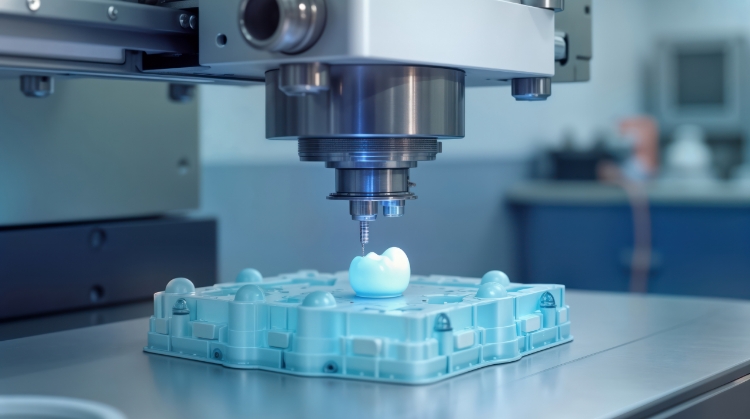
Digital dentistry has further revolutionized the field. Intraoral scanners replace messy impressions and provide highly accurate 3D models. CAD/CAM technology allows for same-day restorations with micron-level precision. 3D printing is used for surgical guides, temporary restorations, and even clear aligners. These tools streamline workflow, reduce chair time, and enhance communication between dentist, lab, and patient.
Equally important is the use of digital smile design software, which allows us to plan, simulate, and present cases with unmatched clarity. Patients can preview their new smile before any treatment begins, which increases confidence and reduces anxiety. As a clinician, I view these technologies not as replacements for skill but as powerful enhancements that help deliver consistently excellent outcomes.

To Conclude: Your Smile, Reimagined
Cosmetic dentistry today is not just about vanity. It is about health, confidence, and a better quality of life. As a dentist at Dental Implant Partners, I have the privilege of combining advanced science with the art of smile transformation. From subtle refinements to complete rehabilitations, each case is unique and requires a tailored approach.
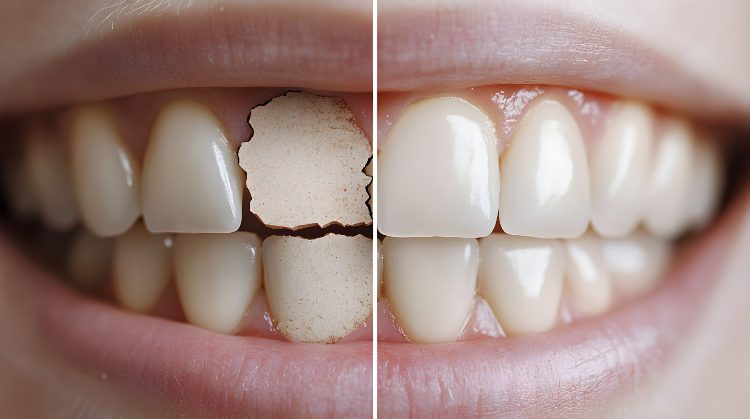
If you are considering cosmetic dental work, I encourage you to seek out a practitioner who approaches your smile holistically. Ask questions, review before-and-after photos, and ensure your provider uses evidence-based techniques and modern technology. A truly successful cosmetic outcome goes far beyond white teeth. It integrates form, function, and harmony.
Your smile is one of your most powerful assets. With the right guidance, tools, and care, modern cosmetic dentistry can help you express the best version of yourself confidently and beautifully.
Experience Expert Cosmetic Dentistry at Dental Implant Partners
At Dental Implant Partners, cosmetic and restorative dentistry is not just what we do, it is what we love. I have had the privilege of leading this practice in San Francisco for over 25 years, and I am proud to work alongside an exceptional team of prosthodontists, general dentists, and hygienists who share my deep commitment to careful, ethical, and patient-centered care. Our hygienists, all of whom are trained as dentists, have been with us for many years and are a beloved part of the patient experience.
Our practice is dedicated to providing the full spectrum of restorative treatments, from minimally invasive cosmetic bonding and porcelain veneers to full-mouth rehabilitations and complex implant-supported solutions. For patients where implants may not be the right choice, we also offer expertly crafted dentures that restore both aesthetics and function. Every case we take on, no matter how simple or complex, is approached with clinical precision and an artistic eye. Our patients trust us because we build lasting relationships and deliver results that improve both health and confidence.
If you are considering cosmetic dentistry, we would be honored to guide you through the process. Whether you’re looking for subtle enhancements or a complete smile transformation, we invite you to visit our beautiful suite overlooking the San Francisco Bay and see what compassionate, high-quality dental care can do for you. Schedule a consultation today, and we would love to help you restore and reimagine your smile.