
Sedation Dentistry in San Francisco, CA
Sedation dentistry helps patients receive dental care comfortably by reducing anxiety, fear, and discomfort during treatment. Whether you experience dental anxiety, have a sensitive gag reflex, or require complex procedures, sedation dentistry allows you to relax while receiving the care you need. At our San Francisco dental office, sedation options are carefully selected to ensure safety, comfort, and a positive dental experience.

What Is Sedation Dentistry?
Sedation dentistry uses medication to help patients feel calm and relaxed during dental procedures. Depending on the type of sedation used, patients may feel deeply relaxed, drowsy, or only vaguely aware of the procedure being performed.
Sedation dentistry does not replace local anesthesia; instead, it works alongside it to reduce anxiety and improve comfort. This approach allows patients to receive dental care more easily while helping dentists perform procedures efficiently and safely.
The Benefits of Sedation Dentistry
Sedation dentistry offers benefits for both comfort and treatment outcomes.
Benefits include:
- Reduced dental anxiety and fear
- Increased comfort during procedures
- Ability to complete multiple treatments in fewer visits
- Reduced gag reflex
- Improved experience for patients with sensitive teeth
- Greater willingness to seek and maintain dental care
For many patients, sedation dentistry removes barriers that previously prevented them from receiving needed treatment.


Is Sedation Dentistry Right for You?
Sedation dentistry may be recommended if dental visits cause anxiety or discomfort that interferes with care.
You may benefit from sedation dentistry if you:
- Experience dental anxiety or fear
- Have had negative dental experiences in the past
- Require lengthy or complex procedures
- Have a strong gag reflex
- Have difficulty sitting still for long periods
- Avoid dental visits due to stress or discomfort
A consultation helps determine whether sedation dentistry is appropriate based on your medical history and treatment needs.
Sedation Dentistry Options We Offer
Sedation options are selected based on your comfort level, procedure complexity, and medical considerations.
What to Expect From Sedation Dentistry

Consultation and Evaluation
Your dentist reviews your dental needs, anxiety level, and medical history at our San Francisco dental office to determine the safest sedation option.

Pre-Treatment Instructions
You receive detailed instructions regarding eating, medications, and transportation depending on the sedation method selected.

Sedation and Treatment
Sedation is administered before or during treatment, allowing you to remain calm and comfortable throughout the procedure.

Recovery and Follow-Up
Recovery varies by sedation type. Our team provides post-treatment instructions and ensures you are comfortable before leaving the office.
Why Choose Our Office for Sedation Dentistry in San Francisco?
Sedation dentistry requires experience, careful monitoring, and a patient-focused approach.
Our office offers:
- Multiple sedation options tailored to individual needs
- Experience treating anxious and high-needs patients
- Advanced monitoring and safety protocols
- Coordinated care for complex dental treatments
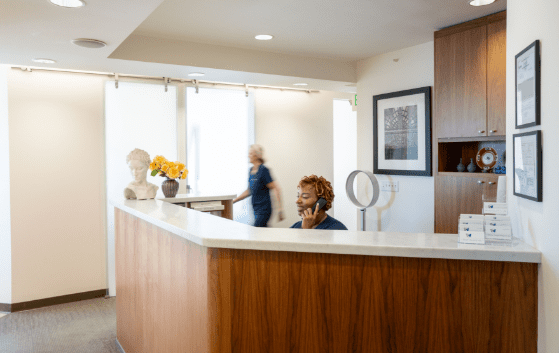
- A calm, supportive environment
Our goal is to help patients receive necessary dental care without fear or stress.
Frequently Asked Questions About Sedation Dentistry
Schedule Your Sedation Dentistry Consultation
If dental anxiety or discomfort has kept you from receiving care, sedation dentistry may help you feel relaxed and confident during treatment. Schedule a consultation to learn more about your options and receive personalized recommendations.