
By Dr. Belinda Gregory-Head, DDS – Dental Implant Partners, San Francisco
When patients come to see me for tooth replacement, they are often uncertain about whether dentures or dental implants would serve them better. While both options restore appearance and function, they do so through very different mechanisms. Dentures replace only the visible portion of teeth, relying on gum tissue for support. Implants, on the other hand, replace both the root and crown by anchoring directly into the jawbone. This fundamental biomechanical distinction affects everything from stability and chewing force to long-term bone preservation and facial appearance. Understanding these scientific and clinical differences is crucial in choosing the right path for your individual anatomy and lifestyle.
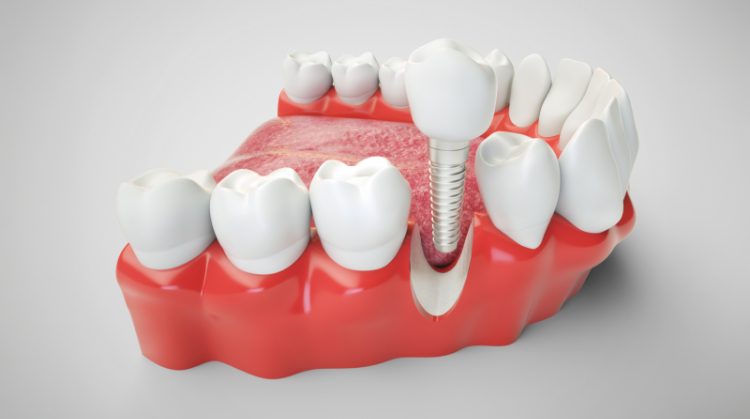
From a biological perspective, implants are more than replacements; they are functional analogs of natural teeth. Each implant is made of biocompatible titanium or zirconia and fuses with the bone through a process called osseointegration. This intimate integration allows implants to transmit functional load directly to the bone, stimulating it just as a natural tooth root would. Dentures, however, are passive devices; they rest on soft tissues and rely on surface tension, saliva, and muscular control to stay in place. That means they cannot prevent the progressive bone loss that inevitably follows tooth extraction.
Yet, not every patient is an ideal implant candidate, and not every case demands implant placement. The decision involves assessing medical history, bone quality, oral hygiene, and patient preferences. For example, someone with extensive systemic disease or severe bone atrophy may do better with a removable prosthesis initially. In my own practice, I often guide patients through a staged approach starting with a high-quality denture and transitioning to implants once bone grafting or health stabilization allows. This nuanced, individualized method ensures that patients receive a solution that fits their biology as well as their goals.

The Biology of Bone and Tooth Loss
The most significant factor differentiating implants and dentures is how they interact with your bone. When a natural tooth is lost, the bone that once supported it begins to resorb. This process occurs because the bone no longer receives the mechanical stimulation needed to maintain density. Within the first year after extraction, up to a quarter of the bone’s volume in that area can disappear, and over subsequent years, the resorption continues at a slower but steady pace. The result is not only functional compromise but visible facial aging, sunken cheeks, thinning lips, and loss of lower facial height.
Dentures do not halt this resorptive process. In fact, because they rest directly on soft tissue, the pressure they exert during chewing can accelerate the rate of bone loss. Over time, this leads to ill-fitting dentures that rock, slip, or cause sore spots on the gums. Relining or remaking the prosthesis becomes necessary every few years as the supporting ridge continues to shrink. Patients often report frustration with the gradual decline in comfort and stability.
Dental implants fundamentally change this biology. By transmitting chewing forces into the bone, they maintain the physiological cycle of bone remodeling. In simple terms, the bone “believes” the tooth is still present. This helps preserve ridge dimensions, maintain facial contours, and stabilize surrounding soft tissues. The impact is not merely aesthetic, it’s structural and long-term. As a clinician, I view implants not just as restorations but as preventive medicine for the jaw.
Functional Performance and Comfort
The functional gap between dentures and implants is striking. A patient with well-made dentures typically regains about 15–25% of their original chewing capacity. This may be sufficient for softer diets but limits the ability to chew tougher, fibrous foods such as meats or raw vegetables. Speech can also be affected, particularly with upper dentures that cover the palate and alter tongue movement. Taste perception diminishes because the acrylic plate blocks contact between food and the taste buds on the roof of the mouth.
Implant-supported restorations restore chewing efficiency to approximately 80–95% of that of natural teeth. Because implants are rigidly anchored in bone, they eliminate the micro-movements that cause denture instability. Patients can enjoy a wider diet, chew naturally, and speak clearly without worrying about slippage or adhesives. There is also no palatal coverage, allowing for unimpeded taste and normal oral temperature sensation. The difference in comfort and confidence can be life-changing, especially for individuals who have struggled with conventional dentures for years.
From a clinical perspective, implant-supported prostheses distribute occlusal forces more evenly across the bone. This balanced biomechanics reduces stress on the jaw and minimizes the risk of pressure-induced resorption seen with dentures. Moreover, implants maintain vertical dimension the distance between the upper and lower jaws which is critical for proper facial aesthetics and joint function. Dentures, over time, often allow this dimension to collapse, contributing to a prematurely aged appearance and temporomandibular joint (TMJ) strain.
Aesthetic and Structural Outcomes
A natural smile depends on more than just the color and shape of teeth; it depends on how those teeth support the lips, cheeks, and facial musculature. Dentures can restore tooth appearance but not necessarily the underlying bone volume that gives the face its youthful contours. As bone continues to resorb under a denture, the lower face shortens, wrinkles deepen, and the lips lose support. Even the best-crafted denture can only compensate for this partially, and frequent adjustments become necessary to maintain appearance.
Implants, in contrast, actively preserve the structural integrity of the jaw. By preventing bone resorption, they sustain the architecture that supports soft tissues. This means the lower third of the face maintains its natural fullness, and facial collapse, a common complaint among long-term denture wearers, is avoided. Additionally, implant-supported crowns and bridges are custom designed to match the surrounding dentition in translucency, shape, and color. When properly placed, they are virtually indistinguishable from natural teeth.
In my practice, we use digital smile design and 3D imaging to plan implant restorations that complement a patient’s unique facial anatomy. The result is not simply functional but harmonized teeth that look natural within the dynamics of facial expression. For patients transitioning from dentures to implants, the aesthetic transformation can be profound. They often report not only looking younger but feeling more like themselves again.
Maintenance and Longevity
Both dentures and implants require maintenance, but the nature and frequency of care differ dramatically. Dentures must be removed daily for cleaning, and the gums beneath must be gently brushed or wiped to prevent irritation. Over time, the acrylic base material absorbs odors and stains, even with proper hygiene. Because bone resorption changes the fit, most dentures require relining every few years and replacement roughly every five to eight years.
Dental implants, by contrast, demand meticulous but familiar hygiene brushing, flossing, and routine professional cleanings. The key is controlling plaque accumulation at the implant–gum interface to prevent inflammation known as peri-implant mucositis. Left untreated, this can progress to peri-implantitis, a condition that threatens bone stability. However, with proper maintenance and regular professional monitoring, implants demonstrate success rates exceeding 95% over 15 years and beyond. Many last for decades or even a lifetime.
From an economic standpoint, this difference in longevity often shifts the value equation in favor of implants. While they require a higher upfront investment, the reduced need for replacement and the biological preservation they offer make them more cost-effective over time. Patients often tell me that the confidence, convenience, and durability implants provide are well worth the initial cost.
Surgical Considerations and Suitability
Choosing implants requires assessing medical and anatomical suitability. Successful osseointegration demands adequate bone density and stable systemic health. Conditions such as uncontrolled diabetes, heavy smoking, or ongoing bisphosphonate therapy can compromise healing. For these patients, non-surgical options such as dentures or implant-retained overdentures may be safer alternatives.
Pre-surgical planning involves precise imaging through Cone Beam CT scans to evaluate bone dimensions, nerve pathways, and sinus locations. In cases of bone deficiency, grafting or sinus lift procedures may be recommended to rebuild sufficient foundation for implant placement. While these steps add time and cost, they significantly improve long-term success rates. As a clinician, I consider bone grafting not as an extra but as an essential investment in the biological foundation of your future restoration.
For patients who cannot undergo surgery, high-quality dentures remain an excellent solution when crafted and maintained correctly. They can be fabricated quickly, restored immediately after extractions, and adjusted over time. In some cases, dentures serve as transitional prostheses, keeping the patient functional and esthetic until bone and systemic health permit implant therapy.

Technological Advances in Modern Dentistry
Advancements in digital dentistry have revolutionized both dentures and implants. For dentures, computer-aided design and milling have vastly improved fit, comfort, and esthetics. Digital impressions eliminate the need for messy impression materials, and 3D printing allows for faster turnaround and more precise results. However, despite these innovations, the biological limitation of dentures’ lack of bone integration remains unchanged.
Implant dentistry, meanwhile, has benefited immensely from digital workflows. Cone Beam imaging, guided surgery, and intraoral scanning allow me to plan implant placement with remarkable precision. By mapping the final tooth position first and placing implants to support that design, we achieve prosthetic-driven surgery, a paradigm shift that ensures optimal esthetics and load distribution. Immediate loading techniques now allow some patients to leave surgery with functional provisional teeth on the same day.
These technologies do more than improve convenience; they enhance safety, predictability, and long-term outcomes. Digital planning ensures accurate angulation, prevents nerve encroachment, and allows for minimally invasive procedures. Patients experience less discomfort, faster recovery, and superior functional results. Dentistry has evolved into a discipline of precision engineering guided by biological principles.
Cost, Value, and Long-Term Economics
It is easy to compare dentures and implants solely on cost, but the true value lies in what each option delivers over a lifetime. Dentures appear cost-effective at first glance, but the cumulative expenses of relines, adhesives, adjustments, and replacements add up. More importantly, the irreversible bone loss they accelerate can make later implant treatment more complex and costly.
Implants, although more expensive upfront, represent a long-term biological and financial investment. They eliminate recurring replacement costs, preserve bone, and improve quality of life by restoring natural function. Patients who initially balk at the cost often realize that implants, over 15 or 20 years, are less expensive than repeated denture cycles. Beyond monetary considerations, implants restore a sense of permanence and emotional and psychological benefit that cannot be priced.
When I discuss finances with patients, I emphasize the concept of “total cost of ownership.” The cheapest solution today may not be the most economical tomorrow if it leads to ongoing discomfort, reduced function, or compromised health. My goal is not to sell a procedure but to guide patients toward the most sustainable path for their oral and systemic well-being.
Psychological and Quality-of-Life Dimensions
Tooth loss affects far more than chewing it impacts how you feel about yourself. Many denture wearers describe anxiety about eating in public, speaking, or laughing for fear their prosthesis might slip. This constant awareness can erode self-esteem and social engagement. I’ve seen patients avoid family gatherings, dining out, or professional settings simply because of denture insecurity.
Implant restorations change that dynamic completely. Once integrated and restored, they function like natural teeth. Patients regain confidence to speak, eat, and smile freely without fear of embarrassment. This psychological transformation is as significant as the physical one. Studies consistently show higher satisfaction rates and improved mental health among implant patients compared to those with traditional dentures.
From a clinician’s perspective, this emotional benefit underscores the holistic value of implant therapy. Dentistry is not merely about restoring teeth it’s about restoring wholeness, identity, and confidence. When a patient smiles again without hesitation, the procedure’s true success is realized.
My Clinical Perspective
As a restorative and implant dentist, my goal is to provide long-term solutions that align with both biological health and patient expectations. In ideal cases adequate bone, good health, and commitment to hygiene implants are unequivocally the superior option. They offer unmatched stability, preserve bone, and replicate the function and feel of natural teeth. However, dentures remain valuable for patients seeking non-surgical, cost-conscious, or transitional solutions.
The best approach is always individualized. Some patients may benefit from a hybrid approach, such as implant-retained overdentures, which combine the stability of implants with the removability of dentures. This solution often provides an excellent balance between cost, function, and maintenance.
Ultimately, the decision between dentures and implants is not merely clinical, it is personal. It should consider anatomy, health, lifestyle, and emotional priorities. My responsibility as your dentist is to guide you through that complexity, ensuring that whichever option you choose, it supports your long-term comfort, health, and confidence.

About Dental Implant Partners
At Dental Implant Partners, I have devoted over 25 years to helping patients regain confidence, function, and comfort through restorative and implant dentistry. What began as my individual prosthetic practice has evolved into a collaborative team of experienced prosthodontists, general dentists, and highly trained hygienists who share the same dedication to excellence. Every member of our team is deeply knowledgeable, gentle in approach, and committed to providing care that is both technically exceptional and personally attentive. Our hygienists, many of whom were trained as dentists before joining our team, are beloved by our long-term patients for their skill and warmth.
We provide comprehensive restorative services that include everything from preventive care and simple fillings to porcelain veneers, complex reconstructions, and full-arch dental implant rehabilitation. While we specialize in advanced implant therapies, we also take great pride in our expertise with precision dentures for patients for whom implants may not be the best option. Every treatment plan we create is highly individualized, reflecting the unique health, aesthetic, and functional needs of each patient.
Our practice is located in a beautiful suite overlooking the San Francisco Bay, where we have cultivated an atmosphere of trust, comfort, and precision. We value long-term relationships with our patients and are committed to ethical, careful, and high-quality dentistry that endures. If you are considering dental implants or exploring the best solution for your smile, I invite you to schedule a consultation with us at Dental Implant Partners. We would love the opportunity to help you restore your smile and rediscover the confidence that comes with excellent oral health.