
By Dr. Belinda Gregory-Head, Dentist at Dental Implant Partners, San Francisco
Periodontal cleaning is a specialized dental procedure used to treat infections affecting the supporting structures of the teeth, including the gums, periodontal ligament, and surrounding bone. In my clinical practice at Dental Implant Partners in San Francisco, I often see patients who believe routine cleanings are enough to maintain gum health. However, periodontal cleaning, commonly known as scaling and root planing, targets harmful bacterial biofilm beneath the gumline that regular cleanings cannot reach. By removing these deep deposits and smoothing the root surfaces, the procedure helps reduce inflammation, support tissue healing, and prevent the progression of periodontal disease.

Understanding Periodontal Disease
Periodontal disease is a chronic inflammatory condition initiated by the accumulation of bacterial biofilm along the gingival margin. In my experience treating patients across San Francisco, the earliest stage of this disease- gingivitis- often goes unnoticed because it typically presents with minimal discomfort. Patients may observe slight bleeding during brushing or mild gum redness, yet these early signs are frequently dismissed. However, gingivitis represents the initial inflammatory response to bacterial plaque and should not be underestimated. If left untreated, the infection can extend into deeper periodontal tissues and evolve into periodontitis. At this stage, irreversible damage to the supporting bone and connective tissue begins to occur.
The progression from gingivitis to periodontitis involves a complex interaction between bacterial pathogens and the host immune response. As bacteria accumulate beneath the gumline, they release toxins and enzymes that trigger inflammation. The body’s immune system responds by sending inflammatory mediators to the affected area in an attempt to combat the infection. While this response is intended to protect the body, it often leads to collateral damage in periodontal tissues. Collagen fibers that anchor the tooth to the bone begin to break down, and the alveolar bone gradually resorbs. Over time, this destruction creates periodontal pockets that harbor even more pathogenic bacteria.
Clinically, I diagnose periodontal disease using several diagnostic parameters including pocket depth measurements, bleeding on probing, and radiographic analysis. Periodontal pockets greater than 4 millimeters typically indicate active disease requiring therapeutic intervention. These deeper pockets allow bacteria to thrive beyond the reach of routine oral hygiene measures. Once the disease reaches this stage, professional periodontal cleaning becomes essential to remove the pathogenic biofilm. Without treatment, progressive attachment loss can eventually lead to tooth mobility and tooth loss. Recognizing the early signs of periodontal disease is therefore critical in preventing more severe complications.
What Is Periodontal Cleaning?
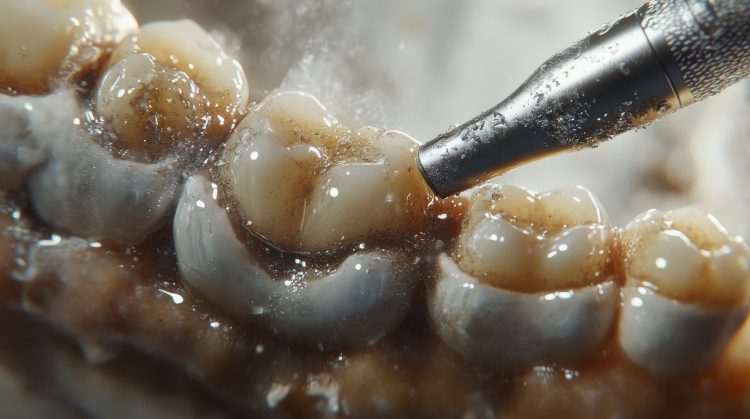
Periodontal cleaning, commonly referred to as scaling and root planing, is a non-surgical procedure designed to remove bacterial deposits from the root surfaces of teeth. In contrast to routine dental cleanings, which focus on the visible surfaces of the teeth, periodontal cleaning targets areas beneath the gumline where pathogenic bacteria accumulate. During the scaling phase, specialized instruments are used to remove plaque, calculus, and bacterial toxins from the root surfaces. This process requires precise instrumentation and careful attention to anatomical root contours. The goal is to eliminate the bacterial biofilm that perpetuates periodontal inflammation.
Root planing follows the scaling process and involves smoothing the root surfaces to discourage bacterial reattachment. Calculus deposits create microscopic irregularities on the tooth root that facilitate bacterial colonization. By carefully planing these surfaces, we reduce the likelihood that bacteria will quickly recolonize the area. In my clinical practice, I emphasize the importance of thorough root debridement because residual calculus can compromise treatment success. Advanced ultrasonic instruments allow for efficient removal of deposits while minimizing trauma to surrounding tissues. This meticulous approach ensures that the periodontal environment becomes conducive to healing.
From a biological perspective, periodontal cleaning initiates the healing process by removing the bacterial stimulus responsible for inflammation. Once the root surfaces are free of contaminants, the gingival tissues begin to shrink and reattach to the tooth. This results in a reduction of periodontal pocket depth and improved tissue stability. Patients often notice decreased bleeding and improved gum firmness within several weeks of treatment. While periodontal cleaning cannot regenerate lost bone, it can effectively halt the progression of disease. When combined with excellent oral hygiene and regular maintenance visits, it plays a vital role in preserving periodontal health.
Indications for Periodontal Cleaning
Determining whether a patient requires periodontal cleaning involves a comprehensive clinical evaluation. In my practice at Dental Implant Partners, this evaluation typically includes periodontal charting, radiographic imaging, and a detailed review of the patient’s medical history. Patients presenting with deep periodontal pockets, persistent bleeding on probing, or radiographic evidence of bone loss are strong candidates for periodontal therapy. These indicators suggest that bacterial infection has progressed beyond superficial gingivitis. At this stage, routine dental prophylaxis is no longer sufficient to control the disease process. Periodontal cleaning becomes necessary to access and debride the affected areas beneath the gumline.
Another important indication for periodontal cleaning is the presence of subgingival calculus deposits. Calculus forms when plaque mineralizes and hardens on tooth surfaces, creating a rough substrate that facilitates further bacterial accumulation. Once calculus forms below the gumline, it cannot be removed through regular brushing or flossing. Professional instrumentation is required to thoroughly eliminate these deposits. Patients with chronic inflammation often exhibit significant calculus buildup along root surfaces. Removing these deposits is essential to interrupt the cycle of bacterial colonization and tissue destruction.
Systemic health factors can also influence the need for periodontal treatment. Conditions such as diabetes, cardiovascular disease, and autoimmune disorders can exacerbate periodontal inflammation and impair healing. I routinely assess these risk factors when developing treatment plans for my patients. Individuals with compromised immune responses may experience more aggressive periodontal disease progression. In these cases, early periodontal intervention becomes particularly important. By addressing periodontal infections promptly, we can help mitigate the broader systemic effects associated with chronic inflammation.
The Periodontal Cleaning Procedure
The periodontal cleaning procedure typically begins with a comprehensive periodontal examination and treatment planning session. Before initiating therapy, I carefully map the periodontal pocket depths around each tooth to determine the extent of disease involvement. Local anesthesia is usually administered to ensure patient comfort during the procedure. Because periodontal cleaning involves working beneath the gumline, anesthesia allows for thorough debridement without causing discomfort. Patients are often surprised at how comfortable the procedure can be when proper anesthetic techniques are used. This step ensures that we can effectively access and treat all affected areas.
Once anesthesia is achieved, the scaling phase begins with the use of ultrasonic instruments and fine hand scalers. Ultrasonic scalers generate high-frequency vibrations that break apart calculus deposits and disrupt bacterial biofilms. Simultaneously, a water irrigation system flushes debris from the periodontal pockets. Hand instruments are then used to refine the debridement process and remove any remaining calculus from root surfaces. This combination of ultrasonic and manual instrumentation ensures that even difficult-to-access areas are thoroughly cleaned. Precision and attention to detail are critical during this stage to prevent leaving residual deposits.
The final phase of the procedure involves root planing and irrigation of the periodontal pockets. Root planing smooths the root surfaces and removes contaminated cementum that harbors bacterial toxins. In some cases, antimicrobial agents may be applied to the treated areas to further suppress bacterial growth. After the procedure, patients receive detailed instructions on oral hygiene and post-treatment care. The gums typically begin to heal within a few days, with noticeable improvement in inflammation over several weeks. Follow-up visits are essential to monitor healing and determine whether additional therapy is required.
Instruments and Technologies Used in Periodontal Cleaning
Modern periodontal therapy relies on a combination of advanced instrumentation and precision hand tools. Ultrasonic scalers are among the most commonly used devices in periodontal cleaning procedures. These instruments operate at frequencies between 25,000 and 50,000 vibrations per second, allowing them to efficiently fracture calculus deposits. The high-frequency vibrations also disrupt bacterial biofilms that adhere to tooth surfaces. In addition to their mechanical action, ultrasonic scalers produce cavitation bubbles that help flush bacteria from periodontal pockets. This combination of mechanical and hydrodynamic effects makes ultrasonic technology highly effective for subgingival debridement.
Hand instruments remain an essential component of periodontal therapy despite technological advances. Gracey curettes and universal scalers are designed with specific blade angles that allow clinicians to access various tooth surfaces. These instruments enable precise removal of calculus deposits that may not be fully eliminated by ultrasonic devices. In my clinical approach, I rely heavily on tactile feedback from hand instruments to detect residual calculus. This tactile sensitivity allows for meticulous root surface debridement. Even small remnants of calculus can serve as reservoirs for bacterial recolonization, making thorough instrumentation critical.
Recent innovations in periodontal technology have further enhanced treatment outcomes. Laser-assisted periodontal therapy, for example, can be used as an adjunct to mechanical cleaning. Dental lasers target pigmented bacteria and infected tissue while minimizing damage to healthy structures. Additionally, antimicrobial photodynamic therapy uses light-activated compounds to eliminate pathogenic bacteria within periodontal pockets. These emerging technologies continue to expand our ability to manage periodontal disease more effectively. While traditional scaling and root planing remain the foundation of treatment, modern adjunctive tools provide valuable enhancements to clinical care.

Benefits of Periodontal Cleaning
One of the most significant benefits of periodontal cleaning is its ability to halt the progression of periodontal disease. By removing the bacterial biofilm responsible for chronic inflammation, the procedure allows the body’s natural healing mechanisms to take effect. Patients often experience reduced gum swelling, decreased bleeding, and improved tissue firmness after treatment. These improvements reflect the resolution of the inflammatory response that previously damaged periodontal tissues. In many cases, pocket depths decrease as the gums reattach more closely to the tooth surfaces. This stabilization helps prevent further attachment loss and tooth mobility.
Another important benefit involves the preservation of natural teeth. Untreated periodontal disease is one of the leading causes of tooth loss in adults. By intervening early with periodontal cleaning, we can significantly reduce the risk of losing teeth due to advanced bone destruction. Preserving natural dentition is always preferable to replacing missing teeth with prosthetic solutions. While dental implants are highly effective, maintaining natural teeth whenever possible remains the ideal outcome. Periodontal therapy plays a crucial role in achieving that goal.
Periodontal cleaning also has broader implications for systemic health. Research increasingly demonstrates links between periodontal disease and systemic conditions such as cardiovascular disease, diabetes, and respiratory infections. Chronic periodontal inflammation can contribute to systemic inflammatory burden throughout the body. By controlling periodontal infection, we may help reduce these systemic risks. In my practice, I emphasize that oral health is closely connected to overall health. Addressing periodontal disease is therefore not only a dental priority but also an important aspect of comprehensive healthcare.
Recovery and Healing After Periodontal Cleaning
Following periodontal cleaning, patients typically experience mild sensitivity or soreness in the treated areas. This discomfort is generally temporary and resolves within a few days. The gums may also appear slightly swollen or tender as they begin the healing process. I advise patients to maintain gentle but thorough oral hygiene during this period to prevent bacterial recolonization. Using a soft-bristled toothbrush and antimicrobial mouth rinse can support healing while minimizing irritation. Proper home care is essential for achieving optimal treatment outcomes.
During the healing phase, the gum tissues gradually reattach to the cleaned root surfaces. As inflammation subsides, periodontal pockets often shrink and become easier to maintain through daily hygiene practices. Patients frequently report a noticeable improvement in gum health within several weeks of treatment. Reduced bleeding during brushing is one of the earliest signs that healing is progressing successfully. Regular follow-up appointments allow us to monitor these improvements and ensure that the periodontal tissues continue to stabilize.
Long-term success following periodontal cleaning depends on consistent maintenance and patient compliance. Periodontal disease is a chronic condition that requires ongoing monitoring. I typically recommend periodontal maintenance visits every three to four months for patients with a history of periodontitis. These visits allow us to remove any newly formed plaque and calculus before it leads to reinfection. With diligent maintenance and excellent home care, many patients are able to maintain stable periodontal health for years after treatment.
Preventing Future Periodontal Disease
Preventing periodontal disease requires a combination of professional care and effective daily oral hygiene practices. Brushing twice daily with proper technique is essential for disrupting plaque biofilm before it matures into calculus. I recommend using a soft-bristled toothbrush and fluoride toothpaste to protect both the teeth and the gums. Interdental cleaning with floss or specialized brushes is equally important because plaque often accumulates between teeth where toothbrush bristles cannot reach. These daily habits form the foundation of periodontal disease prevention.
Professional dental visits also play a critical role in maintaining periodontal health. Even the most diligent home care routines cannot completely eliminate plaque accumulation in all areas of the mouth. Routine dental examinations allow clinicians to identify early signs of inflammation before significant damage occurs. During these visits, professional cleanings remove plaque and calculus that have accumulated since the previous appointment. Early intervention is key to preventing the progression from gingivitis to periodontitis. Regular monitoring ensures that minor issues are addressed before they become serious problems.
Lifestyle factors can significantly influence periodontal health as well. Smoking, for example, is one of the most significant risk factors for periodontal disease. Tobacco use impairs blood flow to the gums and compromises the immune response, making it more difficult for tissues to heal. Nutritional status also affects periodontal health, particularly deficiencies in vitamins essential for tissue repair. Maintaining a balanced diet and avoiding tobacco can greatly improve periodontal outcomes. By addressing these modifiable risk factors, patients can substantially reduce their likelihood of developing periodontal disease.
The Role of Periodontal Maintenance
After active periodontal therapy is completed, patients enter what is known as the periodontal maintenance phase. This phase is critical for preventing disease recurrence and preserving the results achieved through treatment. In my clinical practice, periodontal maintenance appointments typically occur every three to four months. These visits are more comprehensive than standard dental cleanings because they involve detailed periodontal evaluations. Pocket depths are measured, and any areas of recurrent inflammation are carefully assessed. Early detection of relapse allows for prompt intervention before significant damage occurs.
During maintenance visits, specialized cleaning techniques are used to remove plaque and calculus from previously treated areas. Because periodontal pockets can redevelop if bacteria accumulate, consistent professional care is essential. Maintenance appointments also provide an opportunity to reinforce oral hygiene instructions and address any challenges patients may be experiencing. Many patients benefit from personalized guidance on brushing and flossing techniques tailored to their specific anatomical needs. These individualized recommendations can significantly improve long-term periodontal outcomes.
Ultimately, periodontal maintenance is a lifelong commitment for individuals who have experienced periodontitis. Unlike gingivitis, which can often be reversed completely, periodontitis requires ongoing management. However, with proper maintenance and diligent home care, the disease can be effectively controlled. Many of my patients successfully maintain stable periodontal health for decades following treatment. This long-term stability underscores the importance of continued professional monitoring. By staying proactive, we can preserve both oral function and overall health.
To Conclude
Periodontal cleaning is a fundamental component of modern periodontal therapy and plays a critical role in preserving oral health. As a dentist at Dental Implant Partners in San Francisco, I regularly emphasize the importance of early detection and treatment of periodontal disease. When bacterial biofilm accumulates beneath the gumline, it triggers a cascade of inflammatory events that can ultimately lead to bone loss and tooth loss. Periodontal cleaning interrupts this destructive process by removing the microbial deposits responsible for chronic inflammation. Through precise instrumentation and thorough debridement, we create an environment that allows the periodontal tissues to heal.
While periodontal cleaning is highly effective, its success depends on a collaborative effort between clinician and patient. Professional treatment removes existing bacterial deposits, but long-term stability requires diligent home care and regular maintenance visits. Patients who commit to consistent oral hygiene and periodontal maintenance are far more likely to maintain healthy gums and stable dentition. In many cases, these preventive measures can help patients avoid more invasive surgical procedures. The combination of professional care and patient engagement forms the cornerstone of successful periodontal management.
Ultimately, periodontal health is essential not only for maintaining natural teeth but also for supporting overall systemic well-being. Chronic oral inflammation has been linked to numerous systemic conditions, highlighting the broader significance of periodontal care. By addressing periodontal disease promptly and maintaining long-term preventive strategies, we can protect both oral and general health. My goal as a clinician is to empower patients with the knowledge and treatment necessary to achieve lasting periodontal stability. With proper care and ongoing monitoring, periodontal disease can be effectively managed and controlled for years to come.

Why We Take Periodontal Health Seriously at Dental Implant Partners
At Dental Implant Partners, periodontal health is a central part of how we care for our patients because healthy gums and stable supporting bone are essential to the long-term success of every restorative treatment we provide. For more than 25 years, this has been the prosthetic practice of Dr. Belinda Gregory-Head, and over time we have grown into a larger team of experienced prosthodontists and general dentists who share a deep commitment to thoughtful, high-quality care.
We understand that periodontal stability affects everything from the comfort of your natural teeth to the longevity of crowns, veneers, dentures, and implant restorations. Our approach is always careful, ethical, and tailored to the individual needs of each patient. We also benefit from a remarkable hygiene team whose members are trained as dentists and have been with us for many years, which allows us to provide a particularly informed and consistent level of periodontal maintenance and preventive care. Because we value long-term relationships with our patients, we focus not only on treating current concerns but also on protecting your oral health well into the future.
Our practice provides a full range of restorative care, from simple fillings to veneers to comprehensive dental rehabilitation on dental implants, and that broad perspective allows us to see periodontal health as part of the complete picture rather than as an isolated issue. In many cases, effective periodontal care is what creates the foundation for successful restorative treatment, whether that means preserving natural teeth, preparing the mouth for future treatment, or supporting existing dental work.
We are also experts in providing dentures for patients who are not good candidates for implants, and even in those cases, the health of the gums and underlying tissues remains critically important. Every treatment recommendation we make is grounded in clinical judgment, long-term planning, and respect for the patient’s goals and comfort. We love restoring smiles, but we also believe that beautiful outcomes must be supported by healthy biology and careful maintenance. That is why conversations about periodontal cleaning, preventive care, and ongoing gum health are such an important part of the care we provide every day.
If you are noticing bleeding gums, persistent inflammation, sensitivity around the gumline, or you have been told you may need periodontal treatment, we would be happy to help you understand your options. Our team provides care in a gorgeous suite overlooking the San Francisco Bay, and we take pride in combining advanced expertise with a warm and highly personalized patient experience.
Whether you need periodontal maintenance, restorative treatment, implant care, or a comprehensive evaluation of your oral health, we are here to guide you with clarity and compassion. We love our work, and we would love to help you with your dental needs. If you are ready to take the next step toward healthier gums and a stronger smile, contact us at Dental Implant Partners to schedule a consultation.