
By Dr. Belinda Gregory-Head, DDS, Dental Implant Partners, San Francisco
Dental emergencies are not just inconvenient; they can be medically urgent, systemically impactful, and if neglected, may escalate into more complex clinical scenarios. As a practicing dentist in San Francisco specializing in restorative and implant dentistry, I often see patients who delay care until their condition has severely progressed. Understanding the signs that necessitate immediate dental attention can prevent permanent damage and more intensive interventions. In this article, I’ll explore the top signs that indicate you need to see an emergency dentist right now.

Severe or Unrelenting Tooth Pain
Persistent or escalating tooth pain should never be brushed aside. Pain that does not subside with over-the-counter analgesics or worsens over time often signifies pulpal inflammation or necrosis, requiring endodontic intervention or extraction. From my clinical experience, patients presenting with constant throbbing pain often have underlying pulpitis, periapical abscesses, or deep carious lesions close to the pulp chamber. If left untreated, such pain can evolve into systemic involvement, including facial cellulitis.
Pain exacerbated by temperature changes or while lying down suggests deeper nerve involvement. This is particularly critical in molars, where the proximity of the roots to the maxillary sinus or mandibular nerve can make infections more aggressive and painful. Moreover, if the pain localizes with swelling or lymphadenopathy, it becomes even more imperative to intervene quickly, as these are red flags for acute infections.
It’s crucial to differentiate between transient discomfort and acute odontogenic pain. The latter almost always warrants immediate evaluation. As a rule of thumb in my practice, if the pain is severe enough to wake you at night or is resistant to NSAIDs, you should not delay seeking emergency dental care.
Facial Swelling or Intraoral Swelling
Facial or intraoral swelling is a hallmark sign of infection that has progressed beyond the confines of a single tooth. This can involve soft tissues, fascial planes, or even spread to critical areas such as the submandibular space, posing a risk for airway obstruction. I’ve managed cases where patients initially ignored minor swelling, only to present later with compromised breathing or trismus (limited mouth opening), necessitating hospitalization.
Swelling associated with tenderness to touch, warmth, or fever typically indicates a spreading infection such as cellulitis or an abscess that has broken through bone into soft tissue. In these cases, radiographic imaging often a CBCT scan is necessary to determine the extent of the involvement. If not promptly drained or treated with antibiotics and definitive dental therapy, the infection can spread to the neck or even mediastinum.
Swelling may not always be visible externally. Buccal or palatal fluctuant masses inside the mouth are also emergencies, especially if they impair speech, eating, or oral hygiene. In my emergency protocol, patients exhibiting these symptoms are seen immediately because time lost here is tissue lost.
Knocked-Out Tooth (Avulsed Tooth)
Time is of the essence with an avulsed (knocked-out) tooth. Ideally, the tooth should be re-implanted within 30 to 60 minutes to maximize the chance of successful reattachment. Every minute that a tooth remains out of the socket reduces the viability of the periodontal ligament cells necessary for reimplantation. In trauma cases I’ve treated, when patients preserve the tooth in milk or saline and present quickly, we often achieve good outcomes with splinting and follow-up root canal therapy.
One critical mistake patients make is handling the tooth by the root instead of the crown, which can damage the delicate PDL fibers. I advise my patients if you can’t reinsert the tooth yourself, keep it moist and call the emergency dental line immediately. Never store it in tap water or allow it to dry out.
Following an avulsion, radiographic examination is necessary to assess alveolar fractures and potential intrusion of other teeth. Furthermore, a tetanus booster may be needed if the injury involves a contaminated object. Delaying treatment not only compromises the avulsed tooth but also risks additional damage to surrounding dentition and supporting bone.

Cracked, Fractured, or Broken Teeth
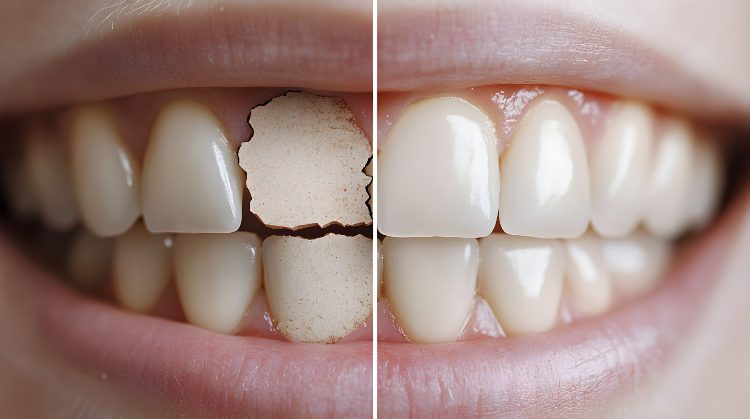
While minor enamel fractures may be monitored or treated electively, a tooth that is cracked to the dentin or pulp constitutes an emergency. These fractures expose the inner tooth to bacterial invasion, potentially leading to irreversible pulpitis or infection. In my clinical workflow, teeth with deep cracks often require immediate endodontic therapy or crown lengthening, especially in structurally compromised teeth post-root canal.
Symptoms of a cracked tooth may include sharp pain on biting, sensitivity to cold, and intermittent discomfort. These signs often go unnoticed until the fracture propagates further. In posterior teeth, especially those with large restorations or bruxism history, vertical root fractures can occur, which may necessitate extraction.
A true dental emergency arises when a crack leads to pulpal exposure, causing pain, bleeding, or pulp necrosis. In such cases, I perform vitality testing and transillumination to assess the extent of the fracture before deciding between restoration, endodontics, or extraction. Acting fast can often save the tooth.
Dental Abscess and Pus Drainage
An abscess indicates a collection of pus, either periapical (at the root tip) or periodontal (within the gum). The presence of pus, a foul taste in the mouth, or a draining fistula are clinical red flags. This suggests that the immune system is actively fighting a bacterial infection. When I encounter this in patients, particularly those with systemic signs like fever or malaise, emergency treatment is required to prevent further spread.
Drainage of pus doesn’t mean the infection is resolving. In fact, spontaneous drainage often indicates that the abscess has reached a critical point. Incision and drainage, along with root canal therapy or extraction, are often required. Ignoring this can result in serious complications like Ludwig’s angina, especially in mandibular infections.
Even if pain seems to subside, the underlying infection persists. Antibiotics alone are not curative; they only buy time. Definitive treatment is necessary to eliminate the nidus of infection. In my practice, we aim for early intervention before the infection impacts systemic health.
Excessive or Uncontrolled Bleeding Post-Extraction
Bleeding that continues beyond 8 to 12 hours post-extraction is a potential emergency. While minor oozing is expected, frank hemorrhage or persistent saturation of gauze is not. In patients with bleeding disorders or those on anticoagulants like warfarin or DOACs, post-operative bleeding must be carefully monitored. I always assess INR levels pre-operatively and counsel such patients on what constitutes normal versus abnormal post-op bleeding.
If clot formation is disrupted either by rinsing, spitting, or suction patients may develop dry socket (alveolar osteitis) or a bleeding socket. Hemostatic agents, sutures, or local pressure with tea bags (tannic acid) may help temporarily, but persistent bleeding requires clinical intervention. In some cases, re-cauterization or placement of hemostatic gauze is necessary.
Bleeding may also signal underlying systemic pathology such as thrombocytopenia, liver disease, or vitamin K deficiency. In these scenarios, patients are referred for hematologic workup. Uncontrolled bleeding is never benign and should be evaluated promptly.
Lost or Damaged Dental Restorations
Loss of a crown, bridge, or large filling can leave a tooth structurally vulnerable and sensitive. In posterior teeth, this often leads to rapid fracture propagation under occlusal forces. I have seen numerous cases where delays in addressing lost restorations lead to root exposure, nerve involvement, or even tooth loss.
If the underlying tooth is sharp, discolored, or hypersensitive to air or temperature, it is no longer adequately protected. Bacteria can infiltrate exposed dentin tubules, causing pulpitis. In implant-supported restorations, loss of an abutment crown can signal screw loosening or implant mobility, both of which demand urgent assessment.
Temporary re-cementation with over-the-counter products may suffice for a few days, but they do not replace the need for a definitive evaluation. In my experience, patients who seek prompt care often avoid more invasive procedures like root canals or extractions.
Jaw Pain, Locking, or Dislocation
Acute TMJ dislocation or severe myofascial pain with jaw locking represents an emergency in maxillofacial dynamics. Patients often present unable to close their mouth due to anterior disc displacement or muscle spasm. Manual reduction, muscle relaxants, or even sedation may be required to reposition the condyle.
Pain on opening, clicking, or deviation of the jaw may indicate disc displacement, condylar injury, or arthritis. I often evaluate these patients with panoramic X-rays or MRI when necessary. Ignoring TMJ dysfunction risks chronic pain, trismus, and functional impairment.
Furthermore, trauma to the jaw can result in condylar fractures or coronoid process damage, which need urgent imaging and stabilization. Any jaw-related emergency should be promptly addressed to avoid long-term occlusal and masticatory dysfunction.
Unexplained Oral Lesions or Numbness
Sudden numbness of the lip, tongue, or chin, especially unilateral, is not something to ignore. It may indicate nerve compression, infection, or even malignancy. In one case, a patient presented with what seemed like a dental abscess but was ultimately diagnosed with mandibular nerve infiltration from a malignancy. Numbness must always be treated with urgency.
Similarly, oral lesions that bleed, ulcerate, or fail to heal within two weeks must be examined. These could represent squamous cell carcinoma, fungal infections, or autoimmune disease manifestations like pemphigus vulgaris. In my role, I often biopsy lesions that don’t resolve with conservative care.
Early identification is crucial in such cases. Oral cancer has a far better prognosis when detected early. Any sensory alteration, discoloration, or persistent lesion in the mouth warrants emergency evaluation.
Signs of Systemic Involvement
Fever, chills, nausea, or difficulty swallowing in the context of dental pain indicate systemic infection. When odontogenic infections breach local anatomical barriers, they can enter the bloodstream and become life-threatening. I’ve had cases where delayed dental infections progressed to sepsis and required hospitalization. These are no longer dental emergencies; they become medical emergencies.
Difficulty swallowing (dysphagia) or speaking, drooling, and a stiff neck could signal deep neck space infections. These can quickly compromise the airway and necessitate surgical drainage under general anesthesia. Imaging such as CT with contrast is often needed to assess the extent.
Patients who are immunocompromised due to diabetes, chemotherapy, or autoimmune disease must be especially cautious. A minor dental infection in these populations can spiral into systemic crisis. If you experience general malaise with oral symptoms, don’t wait. Contact an emergency dentist immediately.
Final Thoughts
Dental emergencies require a discerning clinical eye and swift action. Delays can convert manageable cases into catastrophic ones. At Dental Implant Partners, we are equipped to handle a wide array of dental emergencies, from trauma to infections to acute restorations. My goal as a clinician is always to preserve function, relieve pain, and prevent escalation.
If you’re experiencing any of the signs above, don’t delay. Call your emergency dentist. The cost of waiting is often higher than the cost of acting promptly. Your health, and sometimes your life, depends on it.

About Dental Implant Partners
At Dental Implant Partners, dental emergencies are something we take very seriously. With over 25 years of experience as the prosthetic practice I founded and continue to lead, we have built a reputation in San Francisco for providing responsive, compassionate, and technically excellent care when our patients need it most. Whether you’re dealing with a dental abscess, a fractured tooth, or complications from a failed restoration, our team is fully equipped to evaluate, diagnose, and treat your condition with precision and urgency.
What sets our practice apart is the strength and experience of our team. In addition to myself, our team includes a group of highly skilled prosthodontists and general dentists who work collaboratively to provide tailored treatment plans, even in high-pressure emergency scenarios. Our hygienists, each originally trained as dentists, are not only clinically adept but also deeply familiar with our patients and their long-term care needs. We do not believe in one-size-fits-all solutions; instead, we focus on restorative strategies that align with each patient’s unique condition, preferences, and long-term health goals.
If you’re experiencing any of the symptoms described in this article, I encourage you to reach out to us today. Whether it’s a sudden trauma or a brewing infection, early treatment can be the difference between saving and losing a tooth. At Dental Implant Partners, we love restoring smiles, and we are here to help you protect yours. Call us today to schedule an emergency consultation or to learn more about how we can support your long-term dental health.