
By Dr. Belinda Gregory-Head, Dental Implant Partners – San Francisco
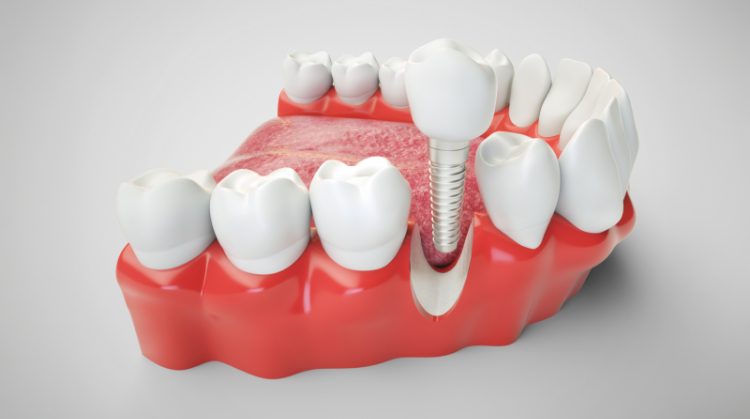
As a restorative dentist, I have witnessed firsthand the transformation in patients’ lives when they transition from failing dentition or removable prosthetics to fixed implant-supported restorations. The All-on-4 concept has become one of the most groundbreaking solutions in modern implantology, not only for its efficiency but also for the stability and function it offers. Unlike traditional full-arch implant solutions that may require six to eight implants, the All-on-4 method strategically utilizes four implants to support a complete arch of prosthetic teeth.
The rationale behind this approach lies in both anatomical and biomechanical considerations. By tilting the posterior implants at an angle, we can take advantage of the available bone density, often avoiding the need for extensive grafting procedures. This technique provides immediate stability, allowing many patients to receive a provisional fixed restoration on the same day of surgery. From a clinical perspective, the All-on-4 approach expands treatment accessibility to individuals who may not have been ideal candidates for conventional full-arch implant therapy.
At Dental Implant Partners, we incorporate advanced diagnostics such as CBCT scans and digital implant planning to assess the suitability of the All-on-4 solution. My role as a clinician is not only to execute the surgical and restorative aspects but also to guide patients through the decision-making process with transparency. Every case requires a nuanced evaluation because no two patients’ oral health profiles are the same.
Understanding the All-on-4 Concept
The All-on-4 protocol was developed in the 1990s and has since been validated by long-term clinical research. Its principle relies on the placement of two anterior implants in a vertical position and two posterior implants at a 30- to 45-degree angle. This angulation maximizes contact with cortical bone while reducing the need for bone augmentation in the posterior maxilla, where resorption and sinus pneumatization are common.
One of the most valuable aspects of this design is the ability to distribute occlusal loads across the prosthesis more efficiently. By anchoring a full arch prosthesis on just four implants, patients receive immediate function with less invasive surgical intervention compared to traditional implant protocols. The reduction in surgical morbidity, combined with the accelerated timeline to a fixed prosthesis, represents a substantial advantage for patients who are concerned about long recovery periods.
From a prosthodontic standpoint, the All-on-4 technique allows for excellent esthetics and phonetics, as the prosthetic teeth are designed to harmonize with the patient’s facial structure. Digital smile design tools further enhance our ability to predict outcomes, and we often work closely with dental laboratories to customize every aspect of the restoration. This integration of surgical precision and restorative artistry makes the All-on-4 a highly sophisticated treatment modality.
Surgical Protocol and Biomechanics
The surgical approach to All-on-4 implant placement requires meticulous preoperative planning. Before surgery, a CBCT scan is analyzed to assess bone density, volume, and anatomical landmarks such as the inferior alveolar nerve in the mandible or the maxillary sinus in the upper arch. Guided surgery often enhances precision, particularly in complex cases, and allows us to place implants with confidence regarding angulation and depth.
Biomechanical considerations are critical to long-term success. By tilting the posterior implants, we achieve a longer anterior-posterior spread, which enhances prosthetic stability and load distribution. This angulation also helps bypass anatomical limitations, making it possible to restore edentulous arches with fewer grafting procedures. In my experience, when executed correctly, the biomechanical advantages of All-on-4 rival those of more traditional, multi-implant-supported prostheses.
Primary stability is another cornerstone of the All-on-4 method. Torque values of at least 35 Ncm are often targeted to ensure that immediate loading is possible. Achieving this stability is dependent on proper implant design, surgical technique, and bone quality. When all factors align, patients can leave the office with a full set of fixed provisional teeth the very same day, which is both clinically remarkable and life-changing for the patient.
Advantages Over Traditional Dentures
Removable dentures, while once the standard, present a host of challenges for patients, including poor retention, difficulty with speech, and compromised chewing efficiency. Bone resorption progresses under denture wear, which further destabilizes the prosthesis over time. For patients who have endured years of denture use, the psychological toll is equally significant, as many report embarrassment and reluctance to socialize.
In contrast, All-on-4 implants provide a fixed, non-removable solution that restores both function and confidence. Chewing efficiency approaches that of natural dentition, allowing patients to enjoy a varied diet without restrictions. Beyond function, there is also a profound psychosocial benefit in transitioning from a removable to a fixed solution, which cannot be overstated.
Another advantage lies in bone preservation. Implants stimulate the jawbone, reducing the rate of resorption and maintaining facial structure. This not only improves long-term oral health but also enhances facial esthetics by preventing the “collapsed” appearance that often accompanies long-term edentulism. Patients appreciate not only the restoration of their smiles but also the rejuvenation of their overall facial appearance.
Who Makes the Best Candidate?
Ideal candidates for All-on-4 implants are individuals who are edentulous or soon to be edentulous due to advanced periodontal disease, extensive caries, or failing restorative work. These patients typically present with compromised dentition but are motivated to pursue a fixed solution. A thorough health and dental history is essential to ensure suitability for surgery and long-term implant success.
Bone density and quality play an important role in candidacy. While the All-on-4 method is specifically designed to overcome certain anatomical limitations, sufficient bone volume must still be present in the anterior region of the maxilla or mandible. For patients with extreme bone loss, additional procedures such as zygomatic implants may be indicated. Therefore, candidacy is determined on a case-by-case basis after comprehensive diagnostic evaluation.
Medical conditions such as uncontrolled diabetes, heavy smoking, or untreated systemic illnesses can compromise healing and osseointegration. As part of the screening process, I collaborate with patients’ physicians when necessary to ensure that systemic health is optimized before proceeding with surgery. A successful outcome requires a multidisciplinary perspective and clear communication between patient and provider.

The Role of Diagnostic Imaging
High-resolution imaging is indispensable in determining candidacy for All-on-4 implants. Cone Beam Computed Tomography (CBCT) provides three-dimensional visualization of the bone architecture, allowing us to measure dimensions accurately and assess bone density. This technology enables us to identify potential anatomical challenges before surgery, thereby reducing the risk of complications.
CBCT scans also allow for virtual treatment planning, where implant positioning can be simulated and prosthetic outcomes predicted. This digital workflow enhances surgical precision, especially when combined with guided surgery systems. The ability to visualize the prosthesis in relation to the implant placement in advance gives both clinician and patient a higher degree of confidence.
Moreover, imaging helps identify pathologies or anatomical variations that might otherwise go unnoticed. Sinus pathology, nerve proximity, and bone irregularities are critical considerations that can alter the treatment plan. For these reasons, I consider advanced imaging to be non-negotiable in All-on-4 planning at Dental Implant Partners.
Prosthetic Considerations
The prosthetic phase is equally important as the surgical phase. Immediately following implant placement, a provisional prosthesis is fabricated and fixed, providing the patient with immediate esthetics and function. This provisional plays a crucial role in shaping soft tissues and allowing the patient to adapt to the new occlusion.
After osseointegration, the definitive prosthesis is fabricated. Material selection is vital—options range from acrylic hybrids reinforced with titanium bars to zirconia-based full-arch bridges. Each material offers distinct advantages in terms of esthetics, strength, and wear resistance, and the choice depends on patient-specific factors such as occlusal dynamics, esthetic expectations, and parafunctional habits like bruxism.
The occlusal scheme must be carefully designed to ensure long-term implant stability. Even distribution of forces, proper vertical dimension of occlusion, and anterior guidance are all critical elements in preventing complications such as screw loosening, prosthesis fracture, or implant overload. A prosthetically driven treatment plan ensures longevity of the entire restoration.
Long-Term Maintenance and Success Rates
The success of All-on-4 implants extends beyond the surgical and prosthetic phases. Maintenance is an ongoing responsibility that patients must commit to. Regular professional cleanings, radiographic monitoring, and at-home hygiene practices are essential for preventing peri-implantitis and ensuring the longevity of the restoration.
Long-term studies demonstrate success rates exceeding 95% when proper protocols are followed. This impressive figure reflects not only the durability of the implants themselves but also the predictability of the surgical technique. Failures, when they occur, are most often associated with poor hygiene compliance, smoking, or systemic conditions that compromise healing.
At Dental Implant Partners, we educate patients extensively on maintenance protocols. Specialized instruments and hygiene techniques are often required to clean around the prosthesis effectively. When patients adhere to these guidelines, their All-on-4 implants can provide decades of function and confidence.
Potential Risks and Complications
As with any surgical intervention, All-on-4 implants are not without risks. Surgical complications may include nerve injury, sinus perforation, or inadequate primary stability, though these occurrences are rare when proper planning and technique are applied. Patient-specific risk factors such as smoking or uncontrolled systemic disease can increase the likelihood of complications.
Mechanical complications can arise in the prosthetic phase. These include screw loosening, acrylic fracture, or wear of prosthetic materials. While such issues are usually manageable, they reinforce the importance of ongoing maintenance and regular follow-ups to identify problems early.
Biological complications, most notably peri-implantitis, pose a more serious threat. This inflammatory condition can lead to bone loss and implant failure if left untreated. Vigilant hygiene practices, routine monitoring, and early intervention are critical to preventing this outcome.
Alternatives to All-on-4
Although All-on-4 has become a widely accepted treatment, it is not the only solution for full-arch rehabilitation. Traditional implant protocols using six or more implants may be preferred in cases where bone quality is excellent and a higher number of implants can provide redundancy. For certain patients, overdentures supported by two to four implants may represent a more cost-effective alternative while still improving retention and stability compared to conventional dentures.
In cases of extreme bone loss, zygomatic or pterygoid implants may be indicated. These advanced techniques allow for anchorage in alternative anatomical sites, bypassing the need for grafting and still providing fixed solutions for otherwise challenging cases. They require significant surgical expertise and are reserved for select indications.
Ultimately, the choice of treatment depends on individual anatomy, medical history, financial considerations, and patient goals. A personalized consultation allows us to present multiple options and collaboratively determine the most suitable approach.
Final Thoughts: Empowering Patients with Advanced Solutions
The All-on-4 implant system represents a paradigm shift in how we approach full-arch rehabilitation. Its ability to combine surgical efficiency, immediate function, and long-term stability makes it one of the most innovative solutions available in contemporary implant dentistry. For the right candidate, this treatment can restore not only oral function but also self-esteem and overall quality of life.
As a dentist at Dental Implant Partners in San Francisco, my role extends beyond clinical execution. I see myself as a partner in guiding patients through the complexities of treatment options, helping them weigh the benefits and risks, and ensuring that their decision is informed and personalized. Every patient has unique anatomical and functional needs, and every treatment plan must reflect that individuality.
When performed with precision and followed by diligent maintenance, All-on-4 implants can provide decades of reliable function and esthetics. For patients struggling with failing dentition or unstable dentures, this solution offers not only a new smile but a renewed outlook on life.
About Dental Implant Partners
At Dental Implant Partners in San Francisco, I have dedicated over 25 years to helping patients achieve lasting and natural-looking smiles. What began as my own prosthetic practice has grown into a team of highly skilled prosthodontists, general dentists, and hygienists who share the same passion for precision and patient-centered care. Our hygienists are uniquely trained as dentists themselves, which provides an additional level of expertise and attentiveness that our patients deeply appreciate.
We take pride in offering a full spectrum of restorative treatments, from simple fillings and veneers to advanced rehabilitations on dental implants. For patients who are not candidates for implants, we are equally adept in creating high-quality, comfortable dentures that restore both function and confidence. Every treatment plan is carefully tailored to the individual, and our goal is always to deliver results that enhance not only oral health but also overall quality of life.
Our practice values long-term relationships with patients who entrust us with their care. Located in a beautiful suite overlooking the San Francisco Bay, we are committed to providing an environment that combines comfort with clinical excellence. If you are considering All-on-4 dental implants or exploring other restorative solutions, I invite you to schedule a consultation with us at Dental Implant Partners. We would love to help you restore your smile and confidence with the highest level of care.